

Jurors hear closing arguments in Yella Beezy capital murder trial, deliberations to begin in the morning
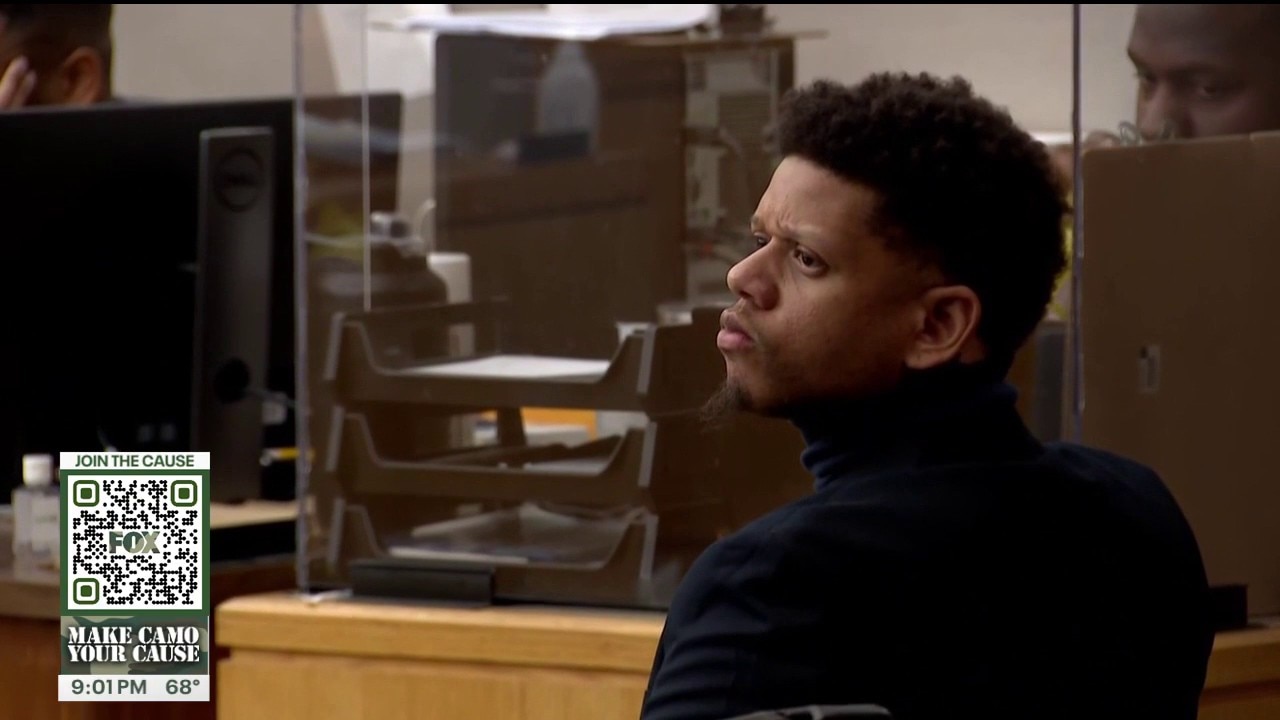
Jury set to deliberate in Yella Beezy trial
Closing arguments have been heard in the murder-for-hire trial against Dallas rapper Yella Beezy, and the jury will begin deliberations on Wednesday. FOX 4's David Sentendrey has more.
DALLAS - Both sides have rested their case in the trial for Yella Beezy, who is accused of orchestrating a murder for hire plot that killed Dallas rapper MO3.
Yella Beezy, whose real name is Markies Conway, is accused of paying another man to gun down MO3, whose real name is Melvin Noble, in an ambush on Interstate 35 in Dallas in 2020.
Prosecutors allege Conway hired Kewon White to carry out the murder over a long-running feud.
Conway has pleaded not guilty to capital murder and denied involvement.
White has already been convicted of capital murder for Noble’s death.
A third defendant, Devin Brown, is also charged with capital murder.
Conway's trial is expected to last about two to three weeks.
Live Updates
4:45 p.m. Done for the day
The judge dismissed the jury, instructing them not to discuss the case just yet. They were ordered to go back to the jury room to select a foreperson. They will return at 9 a.m. on Wednesday to begin deliberations.
4:40 p.m. Final state closing arguments
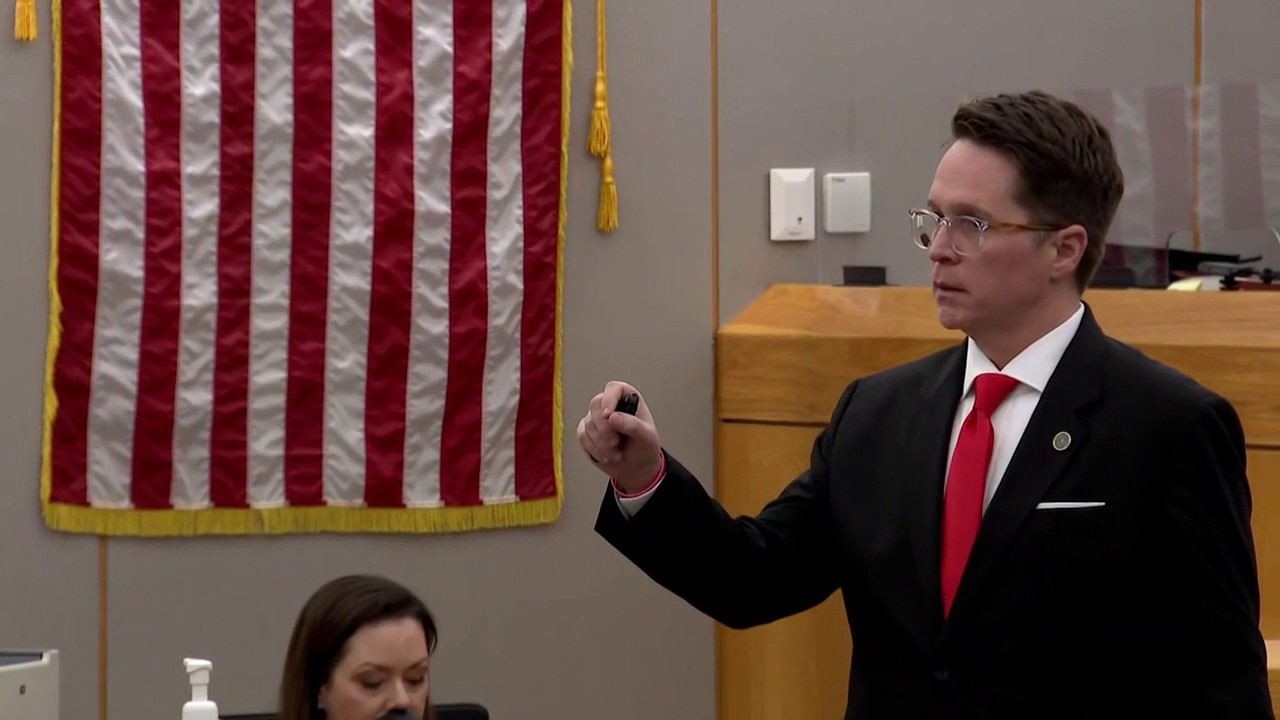
State gives final arguments in Yella Beezy trial | FULL
Prosecutor Tommy Adams makes his final closing arguments in the trial for Markies Conway (Yella Beezy). The Dallas rapper is on trial for capital murder for the death of Melvin Noble (MO3) in 2020.
Prosecutor Tommy Adams delivered a passionate final rebuttal, urging jurors to hold Yella Beezy accountable for the 2020 ambush killing of rival rapper MO3.
The state pushed back forcefully against defense allegations of police "tunnel vision," reminding jurors that 2,189 days of investigation uncovered a coordinated murder-for-hire plot fueled by a long-standing feud. Adams asked jurors to consider the three M's—motive, money, and the man. He argued Conway used his resources to execute Noble over street retaliation and a wounded ego.
Adams also pointed to Conway’s 57-hour return trip to North Texas, where he withdrew $40,000 in cash hours after landing. Cell phone data revealed 15 calls between middleman Jerry Johnson and triggerman Kewon White during that brief window. But there were zero calls between the two prior to the murder. And the state said each meeting between Conway and Johnson was immediately followed by a call to White.
The prosecutor reiterated that witness Cedric Brantley knew crime scene details only the shooter would share, insisting the state proved both payment and a promise of remuneration.
4:15 p.m. More defense closing arguments
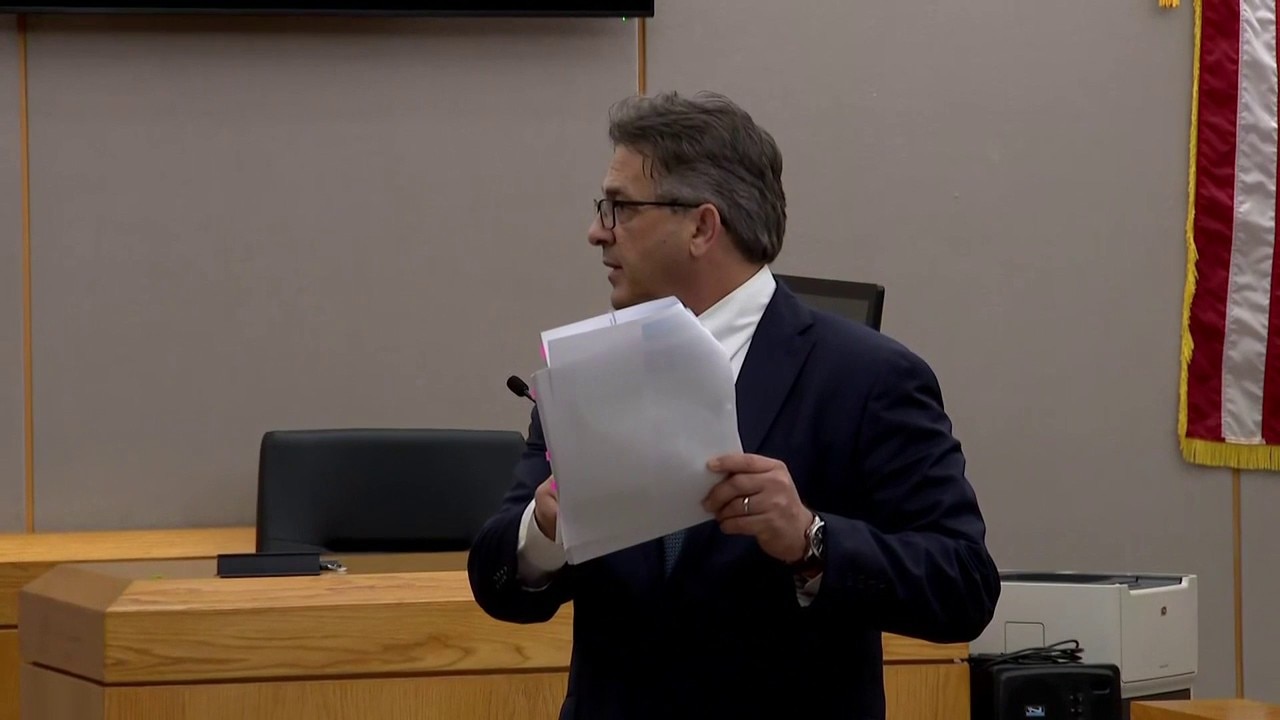
More Yella Beezy defense closing arguments | FULL
Defense attorney John Gussio continued with closing arguments in the trial for Markies Conway (Yella Beezy) for the murder of rival Dallas rapper Melvin Noble (MO3).
John Gussio, another attorney for Conway, delivered the final defense arguments to the jury, demanding an acquittal.
He argued that prosecutors relied on speculation and music lyrics rather than hard proof, noting both artists were commercially successful with "no motive to do anything to each other." Instead, he directed jurors toward an intense personal dispute between MO3 and Devin Brown involving witness receipts, abusive messages, and a social media dispute where Noble placed jewelry on Brown's children. He highlighted phone logs and questioned why Brown called triggerman Kewon White 46 times surrounding the murder if he was merely a minor participant.
The defense also cast doubt on Cedric Brantley, labeling his testimony a rehearsed attempt to avoid a life sentence through a federal plea supplement. He warned jurors against filling investigative gaps left by absent detectives and disputed prosecution interpretations of out-of-state hotel stays and iCloud messages, urging the panel to uphold the presumption of innocence.
4 p.m. Defense gives closing arguments
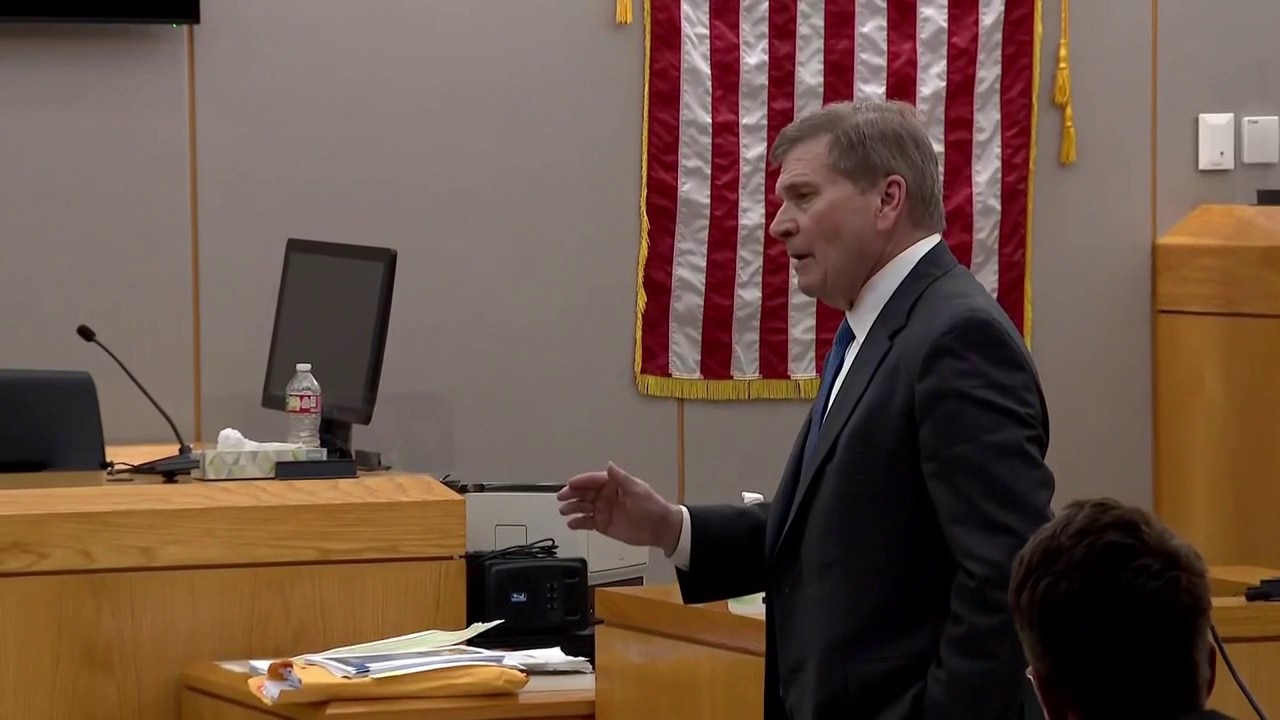
Defense gives closing arguments in Yella Beezy trial | FULL
Defense attorney Toby Shook urges jurors to find his client, Markies Conway (Yella Beezy) not guilty of capital murder. He argued the state's case is based on assumptions and lies.
In closing arguments, defense attorney Toby Shook told jurors the state's capital murder case rests on speculation, coerced testimony, and investigator "tunnel vision."
Shook highlighted multiple points of reasonable doubt, focusing heavily on Theodore Thomas, the prosecution’s star cooperating witness. He noted Thomas agreed to cooperate while facing a federal indictment and pointed out that his testimony—alleging an incriminating barbershop discussion with Conway—directly conflicted with cell tower data that showed Conway’s phone stayed miles away in Frisco.
The defense also took aim at the state’s financial narrative. While prosecutors claimed Conway withdrew $40,000 to pay triggerman Kewon White, the defense showed Conway withdrew large cash amounts regularly for family expenses, took out crisp $50 and $100 bills, and that White was arrested with low-denomination street cash bound in rubber bands seen days earlier. Pointing to alternative suspects like Devin Brown and unindicted associates like Trapboy Freddy, Shook urged jurors to uphold the burden of proof and find Conway not guilty.
"There's reasonable doubt raised all over this case. They cannot overcome it. They can't make you assume guilt. They can't overcome it. I'll plead with you. Follow your oath. Follow what you promise to do," he said.
3 p.m. State gives closing arguments
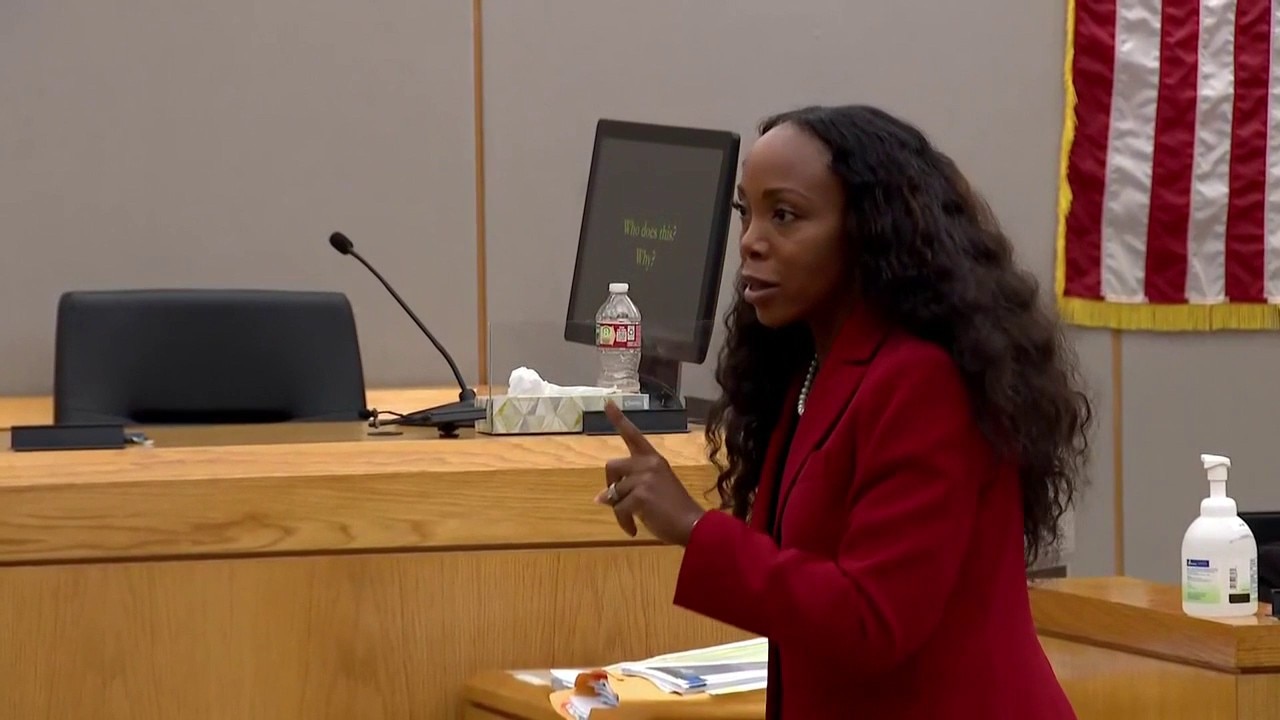
State gives closing arguments in Yella Beezy trial | FULL
Assistant District Attorney Krystal Biggins gave closing arguments in Yella Beezy's murder-for-hire trial. He faces up to life in prison if convicted.
Assistant District Attorney Krystal Biggins was the first to address jurors. She urged them to return a guilty verdict, arguing Conway financed a calculated murder-for-hire plot fueled by a rap rivalry. Biggins reminded jurors that the shooter staked out an apartment for 18 hours before chasing MO3 onto I-35 on Nov. 11, 2020, firing over 40 rounds and striking him 13 times in broad daylight.
She walked the jury through an alleged "Ocean's 11"-style scheme involving multiple accomplices: tipster Devin Brown, shooter Kewon White, and middleman Jerry Johnson, who prosecutors say funneled payouts from Conway to White. Key testimony came from witness Cedric Brantley, who revealed White bragged about shooting Noble and later threatened violence if he was not paid.
Emphasizing that capital murder requires proving murder for payment or the promise of payment, Biggins pointed to phone records, wire transfers, and thousands in cash seized from White, concluding Conway put a bounty on MO3’s life.
2:50 p.m. Jury charge
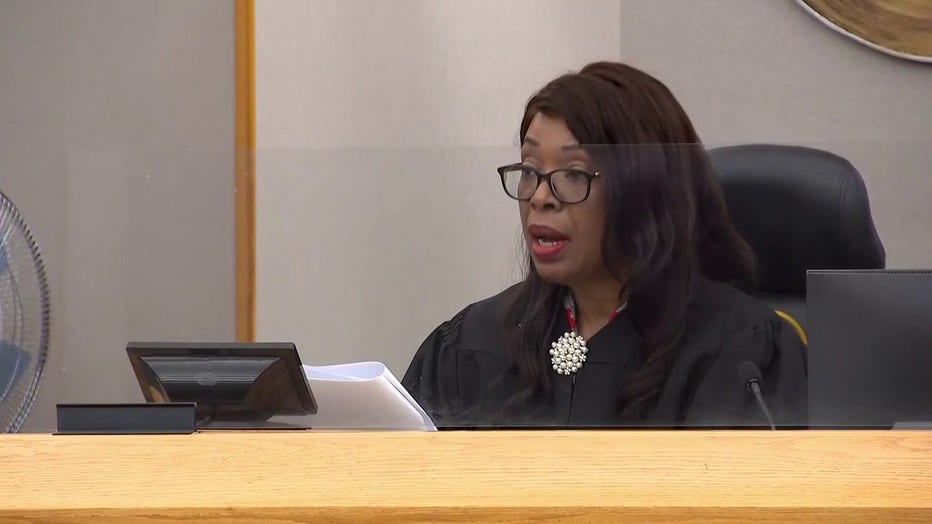
Judge Chika Anyiam read the jury charge. Jurors must unanimously decide if Conway is guilty or not guilty of capital murder by remuneration. There were no lesser charges included in the charge.
2 p.m. Defense rests
Testimony concluded just before 2 p.m. on Tuesday afternoon, with both the defense and state officially resting their cases. The judge gave jurors a 20-minute break so that the attorneys could work on the court's charge.
Closing arguments are coming up next.
1:40 p.m. PI cross-examined
The final witness, a digital forensics expert hired by the defense for approximately $40,000, faced pointed cross-examination by prosecutors. Under questioning, Brian Ingram conceded that while cell tower records pinpoint device activity, they cannot prove who physically possessed a phone or show what apps were being used. Prosecutors highlighted a critical Nov. 22, 2020 exchange where co-defendant Jerry Johnson texted Conway asking, "What up with your people?" Within one minute, Conway messaged Devarius Moore, "Yo, you made it," before telling Johnson he was "Hitting him now." An 11-minute data session began seconds later.
The expert also agreed data places convicted gunman Kewon White tracking Noble onto I-35 prior to the murder, and confirmed movements near the Ramona Avenue home where he allegedly burned his clothing after the murder.
12 p.m. Lunch break
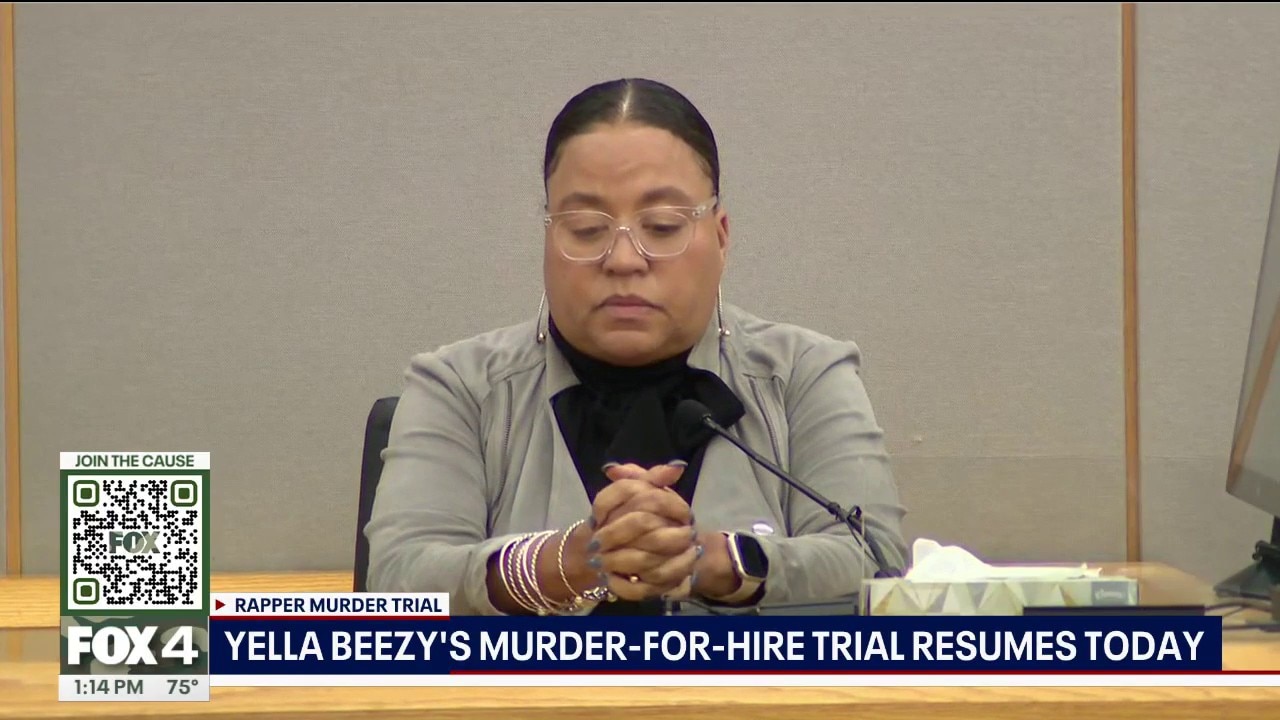
Yella Beezy trial continues | Dallas News Live
Shaun Rabb speaks with an attorney about the latest testimony in the trial against Dallas rapper Yella Beezy.
Court recessed for a one-hour lunch break just before noon. Testimony is expected to resume at 1:15 p.m.
11:20 a.m. Private investigator testifies about cellphone data
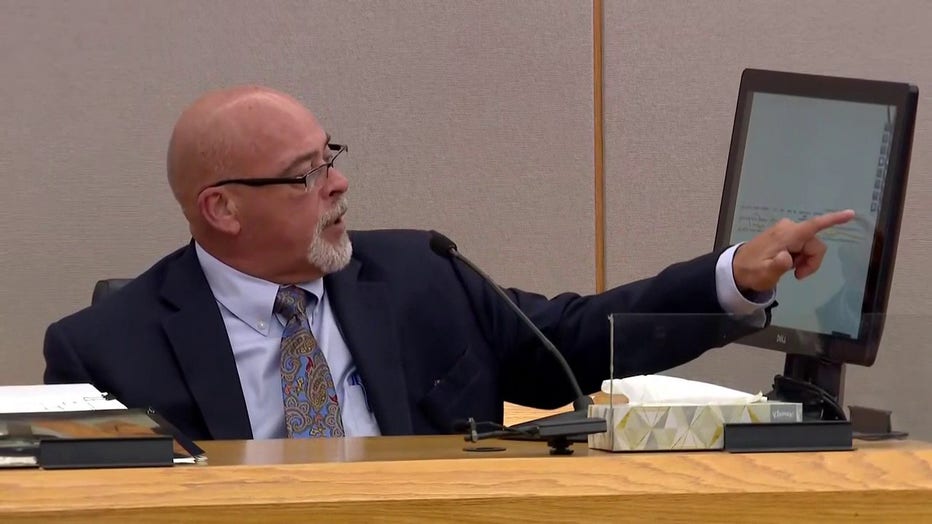
The defense called private investigator and digital forensics expert Brian Ingram to the stand to break down his own analysis of cell phone and location records.
Ingram mapped Conway's movements between Nov. 20 and Nov. 23, 2020 using call detail records and mapping software. He showed jurors a timeline of cell tower pings originating when Conway flew into DFW Airport from California, noting Conway’s device frequently pinged towers near his Frisco home, a local gym, and a Drury Inn. He testified there were no major gaps indicating the phone was powered off.
The testimony shifted to the day MO3 was murdered on Nov. 11, 2020. Ingram reviewed extracted records showing cell activity for Brown alongside exact GPS coordinates from White’s iCloud data. According to Ingram, White’s phone placed him directly at Brown’s residence at 2:49 p.m. that afternoon. Records also showed both devices pinging nearby towers two days prior, on Nov. 9.
After prosecutors successfully blocked an unfinalized FBI draft report, the defense shifted back to records from Nov. 22, 2020. Ingram testified that just 12 seconds after a late-night text exchange between Conway and the alleged middleman, Jerry Johnson, Conway's phone registered an 11-minute data stream consistent with a FaceTime or third-party video call. However, Ingram noted no matching data stream appeared on records for Devarius Moore (a.k.a. Trapboy Freddy).
10:10 a.m. Hair braid artist testifies
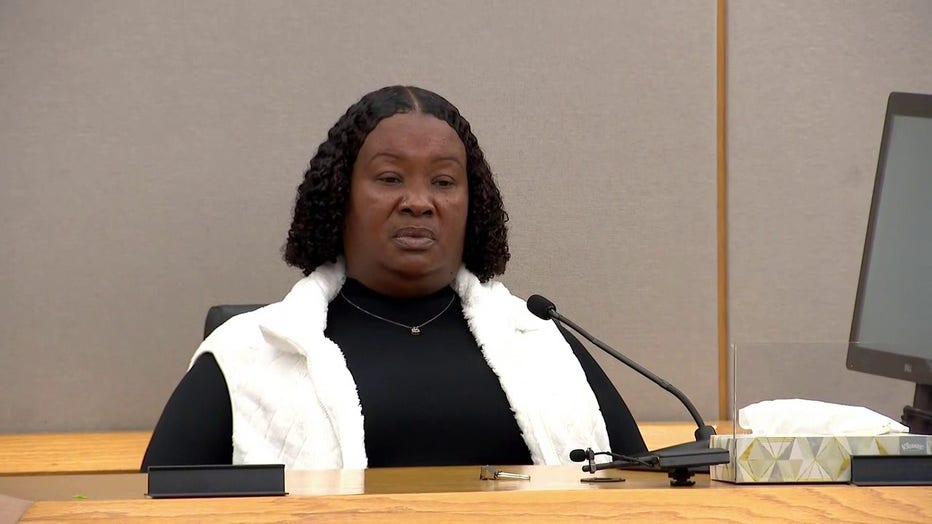
The defense called Dallas braid artist and hairstylist Sheree Willis to the stand. She testified that she has styled hair in the Oak Cliff area near Sunnyvale Street for nearly three decades and began braiding Conway’s hair around late 2019. Defense attorneys entered text messages from Nov. 3, 2020 showing Willis coordinating an appointment to braid Conway's hair at Discount Hair Salon. Willis confirmed Conway arrived in his distinctive matte-black SUV.
On cross-examination, prosecutors highlighted the salon’s proximity to Jerry Johnson's barbershop. Using photo lineup boards, the state questioned Willis about individuals tied to the case, including Johnson and Theodore Thomas. Willis acknowledged knowing Johnson and Thomas from the area. She was conflicted about whether she could remember seeing them meet with Conway outside the barbershop on Nov. 3.
10 a.m. Yella Beezy's cousin testifies
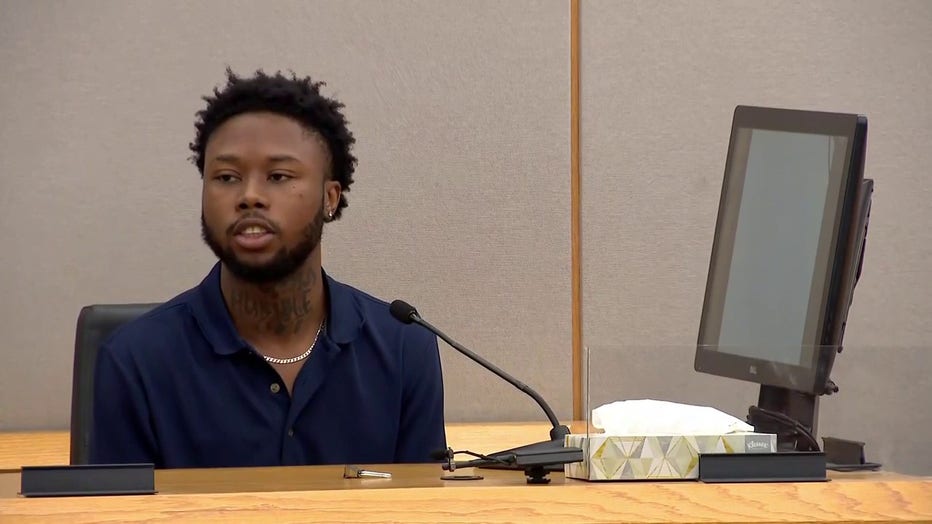
The defense called Conway's 24-year-old cousin, Marion Hazen, to the stand.
Hazen testified that in November 2020, extended family members stayed at a Drury Inn hotel while transitioning between homes. He confirmed he retrieved funds wired on Nov. 17, 2020, to his mother, Stephanie Jones, and delivered the cash to his aunt, Kimberly Rush. He stated Conway briefly visited the hotel from California to check on family, though he never saw the rapper hand out cash directly during that stay.
9:45 a.m. Yella Beezy's aunt testifies about November financial support
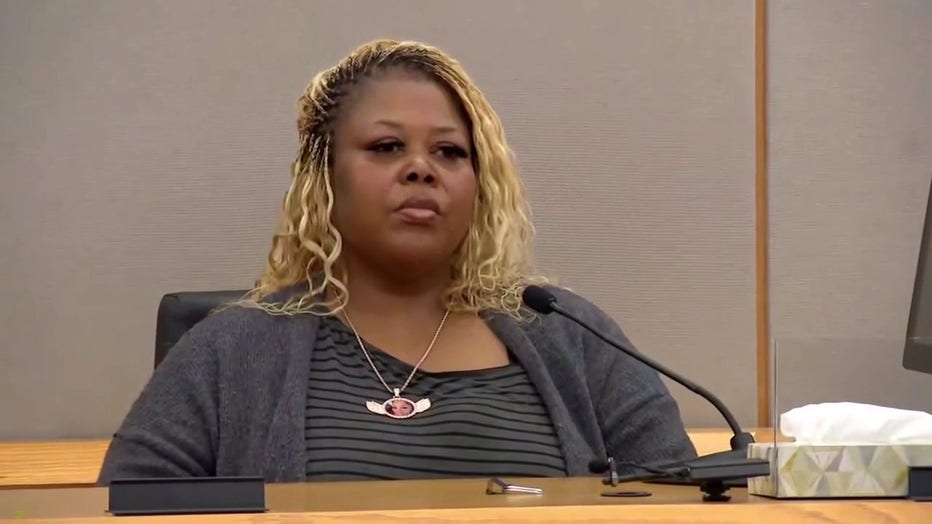
Conway’s aunt, Stephanie Jones, took the stand to explain the family's financial routines and living arrangements around the time of the fatal shooting. Jones testified that after Conway attained commercial rap success in 2018, his mother, Kimberly Rush, retired from nursing and relied on him for financial support. She stated Conway frequently handed out large sums of cash—routinely $10,000 to $30,000—for family expenses, holidays, and bills.
Attorneys examined defense exhibits detailing November 2020 wire transfers, including a $10,000 transfer sent to Jones to cover temporary lodging at a Frisco Drury Inn while the extended family awaited a move into a newly furnished home. Under cross-examination, Jones acknowledged her sister primarily dealt in cash, though prosecutors pointed to official bank records documenting domestic wire transfers directly to Rush.
9 a.m. Trial resumes
FOX 4 will have live coverage of the trial each day after testimony begins around 9 a.m.
Monday's Recap
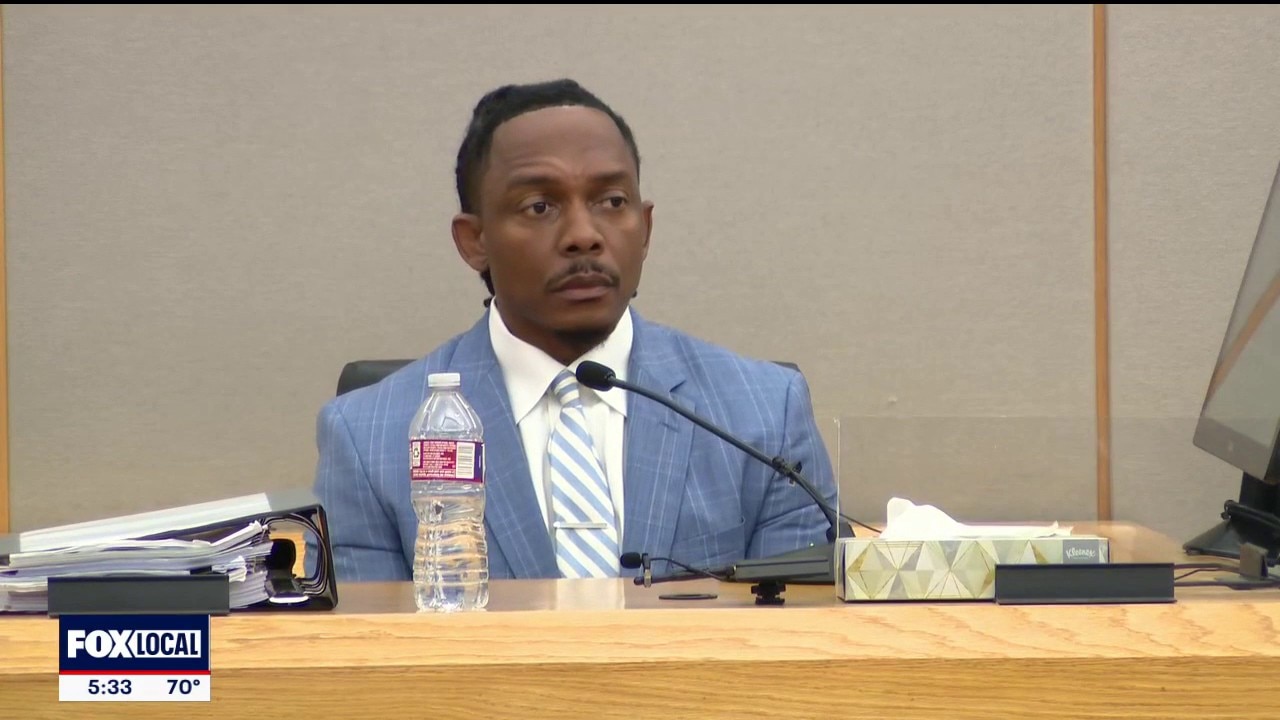
State rests in Yella Beezy murder-for-hire trial
The state rested on Monday in the murder-for-hire trial of Dallas repper Yella Beezy.
Monday’s testimony centered on the cross-examination of Dallas Police Det. Eric Barnes, the conclusion of the state's case, and initial testimony from the defense’s first witness.
The morning opened with defense attorney Toby Shook pressing Det. Barnes on alternate theories regarding the November 2020 fatal shooting of rapper MO3 (Melvin Noble). Barnes acknowledged that shell casings linked to three prior shootings were not submitted for secondary tool-mark comparisons and that Devarius Moore (Trapboy Freddy) was never charged due to lack of probable cause. Shook scrutinized Barnes’ unrecorded communications with key witness Theodore Thomas, revealing dozens of calls totaling hours of undocumented conversations across 2025 and 2026. Barnes defended bypassing traditional arrest affidavits due to the high profile nature of the case and witness safety concerns, citing harassment Thomas faced after being labeled an informant.
Following the lunch recess, prosecutors walked Barnes through extracted phone data from convicted shooter Kewon White, including November 2020 Google searches regarding the net worth of Yella Beezy and Trapboy Freddy. The state presented jewelry store surveillance showing White with thick stacks of cash, alongside communication records between White, Brown, and alleged middleman Jerry Johnson to demonstrate coordinated payment. The judge ultimately ruled against admitting a jailhouse call involving White into evidence. The state rested its case after Barnes was done with questioning. The judge promptly denied a defense motion to dismiss for lack of evidence.
The defense then called Lynn Scott, a Hitco Entertainment employee who worked closely with Conway. Scott testified that Conway’s extended stay in California following the shooting was initiated by the label for promotional work and safety reasons, detailing his family's unsuccessful housing search in Los Angeles. On cross-examination, prosecutors highlighted text messages Scott sent hours after the murder urging team members to strategize messaging before Noble was even officially declared dead.
MO3 Murder

VIDEO: Rapper Mo3 chased down by hitman on I-35
Prosecutors released video of rapper Mo3 being shot at and chased down by a hitman on I-35 in Dallas. The video was shown during a bond hearing for fellow rapper Yella Beezy who allegedly hired the hitman Kewon Dontrell White.
MO3 was shot 11 times and killed on I-35 back in 2020. Prosecutors allege the shooting was part of a murder-for-hire plot organized by rapper Yella Beezy, whose legal name is Markies Conway. They claim he paid Kewon White to carry out the murder over a long-running feud.
In September, jurors found White guilty of capital murder and sentenced him to life in prison after viewing video and hearing testimony about the shooting. Prosecutors also presented evidence of an alleged payment from Conway to White.
Conway has pleaded not guilty to capital murder and denied involvement. His trial was delayed by a month so that his lawyers could get a copy of White’s trial transcript.
A third defendant, Devin Brown, is also charged with capital murder.
Continued Coverage
- Day 10: State rests in Yella Beezy's trial for Dallas rapper MO3's murder
- Day 9: Yella Beezy murder trial's 2nd week wraps with defense cross-examining lead detective
- Day 8: Jurors in Yella Beezy murder trial watch rap videos, hear testimony from lead detective
- Day 7: Key witness, lead detective take the stand in Yella Beezy's murder-for-hire trial
- Day 6: Jurors in Yella Beezy's capital murder trial hear testimony on cellphone locations
- Day 5: Yella Beezy murder trial key witness Theodore Thomas claims he lied in grand jury testimony
- Day 4: Yella Beezy murder trial key witness doesn't testify, ordered to return on Wednesday
- Day 3: Yella Beezy murder trial continues on Day 3 with testimony from informant Jose Bodega
- Day 2: Yella Beezy murder trial testimony on Day 2 focuses on crime scene evidence, surveillance photos
- Day 1: Yella Beezy on trial for Dallas rapper MO3's murder
- Jury seated in Dallas rapper Yella Beezy’s capital murder trial
- Kewon White’s lawyers seeking a new trial over sleepy juror
- Kewon White files appeal in MO3 murder conviction
- Kewon White found guilty, sentenced to life in prison for MO3's murder
The Source: The information in this story comes from trial testimony and past news coverage.