

Jurors in Yella Beezy's capital murder trial hear testimony on cellphone locations
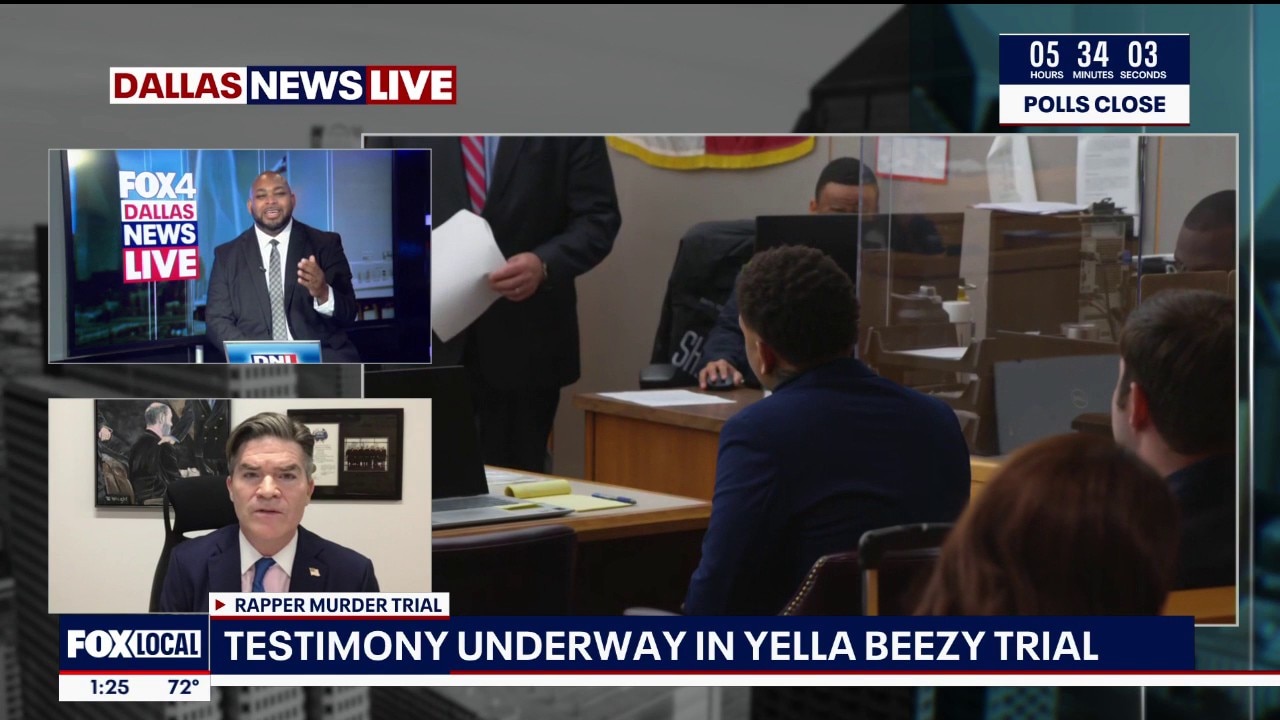
Yella Beezy trial day 6 | Dallas News Live
Steven Dial speaks to criminal defense attorney David Finn about the ongoing murder trial against Yella Beezy.
DALLAS - The trial for Yella Beezy, who is accused of orchestrating a murder for hire plot that killed Dallas rapper MO3, is now in its second week.
Yella Beezy, whose real name is Markies Conway, is accused of paying another man to gun down MO3, whose real name is Melvin Noble, in an ambush on Interstate 35 in Dallas in 2020.
Prosecutors allege Conway hired Kewon White to carry out the murder over a long-running feud.
Conway has pleaded not guilty to capital murder and denied involvement.
White has already been convicted of capital murder for Noble’s death.
A third defendant, Devin Brown, is also charged with capital murder.
Conway's trial is expected to last about two weeks.
Live Updates
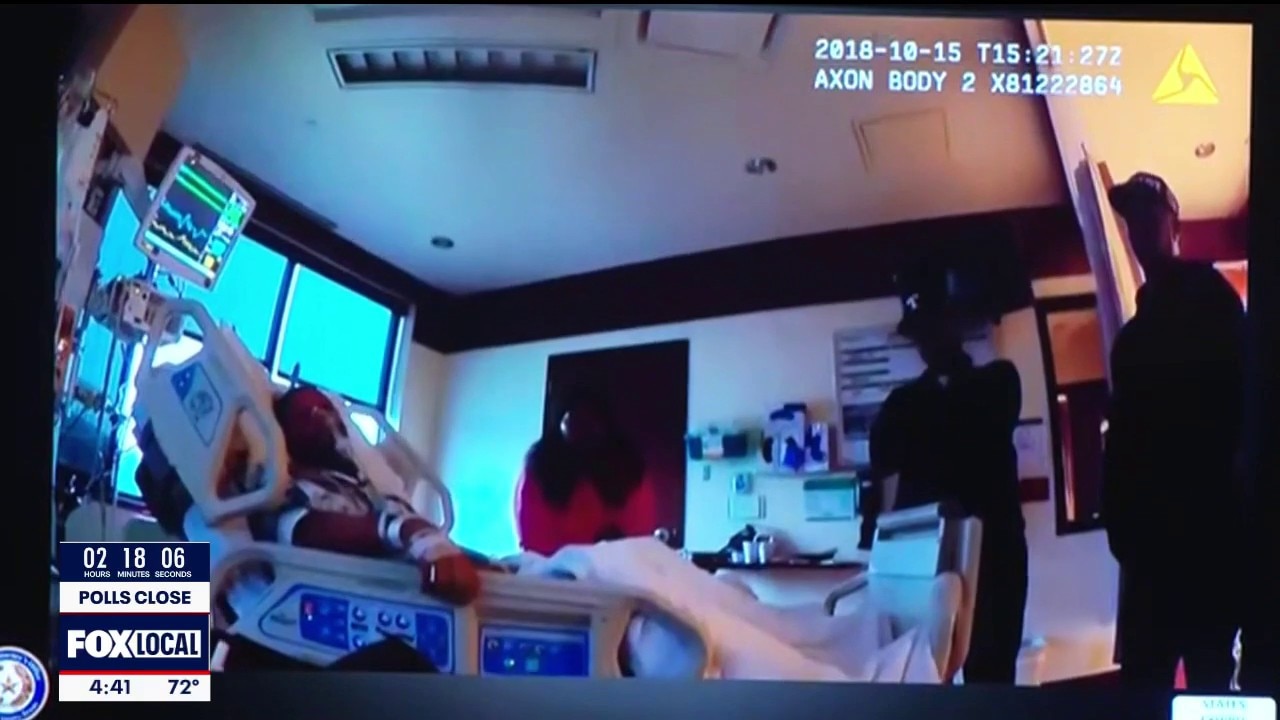
Jurors shown Yella Beezy shooting video, cell records
Jurors heard new testimony on Tuesday in the Yella Beezy murder-for-hire trial. Prosecutors showed them video of the Dallas rapper in the hospital after a shooting. They also turned to cellphone records to try to prove he ordered the hit on rival rapper MO3.
3:45 p.m. Done early so jurors can go vote
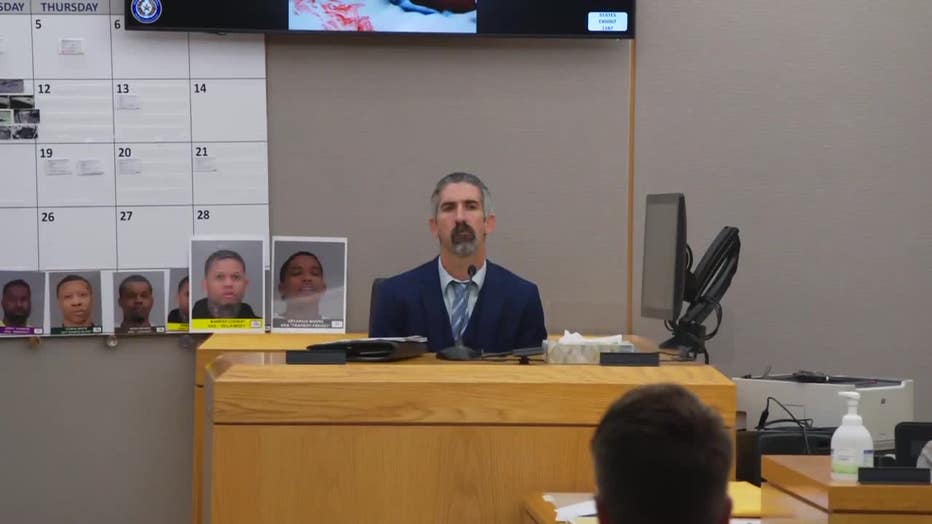
Defense attorney Toby Shook pressed FBI Special Agent Taylor Page on the scope and precision of historical cell-site location analysis. Page conceded that standard tower records confirm coverage zones rather than exact pinpoint locations. He also acknowledged that his analysis relied specifically on parameters, dates, and locations selected and provided by prosecutors.
Page said Conway’s phone did not connect to towers near a disputed barbershop location following his return from California between Nov. 20 and Nov. 22, 2020. This undermined claims from state witness Theodore Thomas regarding Conway's presence there during that timeframe. Page also confirmed no direct communications appeared between Conway and co-defendants White or Brown.
Shook also highlighted multiple gaps in Page's timeline, including an unanalyzed three-hour window on the afternoon of the murder. On redirect, prosecutors addressed the time gaps. Page clarified that mapping every hour across multiple devices would span thousands of pages, explaining his analysis focused strictly on prosecution-designated timeframes. He reiterated that high call volumes between White and Brown spiked dramatically surrounding the murder before White abruptly ceased using that phone number.
After Page was dismissed, Judge Chika Anyiam dismissed jurors for the day a little early so they could go vote.
1:30 p.m. FBI agent continues testifying
FBI Special Agent Taylor Page returned to the stand after the lunch break. He walked jurors through cell tower data tracking the devices of Conway, White, Brown, and Jerry Johnson, another co-defendant.
Page testified that around the time of the fatal highway shooting, White’s phone placed him directly in the vicinity of the murder scene on I-35E before rapidly moving away. Records revealed a major spike in communications between White and Brown leading up to and immediately following the attack, including calls right after White departed the scene.
Page also tracked movements following the murder, linking the co-defendants to critical locations. Notably, cell records and financial evidence revealed that on Nov. 20, 2020, Conway flew from Los Angeles into DFW, drove to a Chase Bank in Frisco, and withdrew $40,000 in cash. Shortly after, Johnson was tracked traveling to the Frisco area before meeting back up with White in South Dallas.
Then on Nov. 22, Johnson’s device moved north toward Conway’s residence area. Hours later, Johnson and White engaged in multiple calls before White’s phone was tracked traveling east along Interstate 30 toward Mount Pleasant, where he was arrested early on Nov. 23.
Agent Page confirmed phone records showed no direct communication between Conway and White or Brown. Instead, communications flowed through Johnson.
Judge Chika Anyiam called for a 15-minute recess before the defense cross-examination of Agent Page.
12 p.m. Conway and White's cellphones were together shortly before the murder
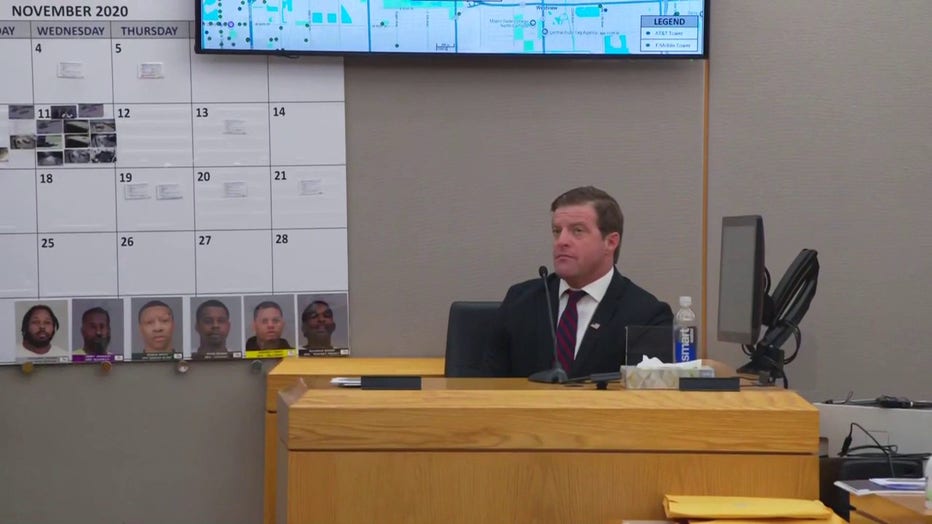
FBI Special Agent Taylor Page, who is a part of the FBI’s Cellular Analysis Survey Team, walked the jury through a 98-page report mapping the movements of cellphones linked to Conway, White, and Noble.
Miami Trips: Data from Oct. 23 and Oct. 26, 2020, showed Conway and friend Jerry Johnson's phones pinging towers near Dallas Love Field before pinging near Miami Executive Airport a few hours later.
Halloween Weekend in Houston: Tracking from Oct. 31 to Nov. 1, 2020, showed Conway and White’s devices moving together. Both phones traveled south from Dallas along I-45 to West Houston, remained in the same area overnight, and headed back north toward Dallas together around 4:00 a.m. the following morning.
During his testimony, Page clarified the limitations of cell phone analysis. He noted that tower data cannot definitively prove who was physically holding a phone or whether Conway and White were riding in the exact same vehicle.
The digital footprints establish that their devices were moving together in the same specific locations shortly before the murder.
11 a.m. Yella Beezy told police cooperating in 2018 shooting investigation 'wouldn't be good for his portfolio'
Testimony revealed new details about a 2018 drive-by shooting that left Yella Beezy severely injured. Sean Doherty, a training officer from the Lewisville Police Department, testified that the case remains unsolved because the rapper refused to press charges to protect his public image.
On Oct. 14, 2018, tollway surveillance cameras captured a Ford minivan pulling alongside Conway's vehicle. The video showed gunshots coming from the minivan's open sliding door. Emergency responders took Conway to the hospital with gunshot wounds to his leg, abdomen, chest and elbow.
Prosecutors played a recorded hospital interview between Doherty and Conway. During the recording, Doherty informed the rapper that the suspect minivan belonged to a man known as "Sean G."
Conway claimed he had been looking at his phone and didn't see the shooters. Instead, he suggested the attackers might have followed him from a strip club where he was earlier that night.
Doherty testified that he explicitly warned Conway the investigation could not move forward without a cooperating victim willing to press charges.
Conway ultimately refused. He told the detective that cooperating "wouldn't be good for his portfolio" and rap persona. Lewisville police suspended the investigation a few weeks later due to his lack of cooperation.
10 a.m. Dallas Police Officer testifies
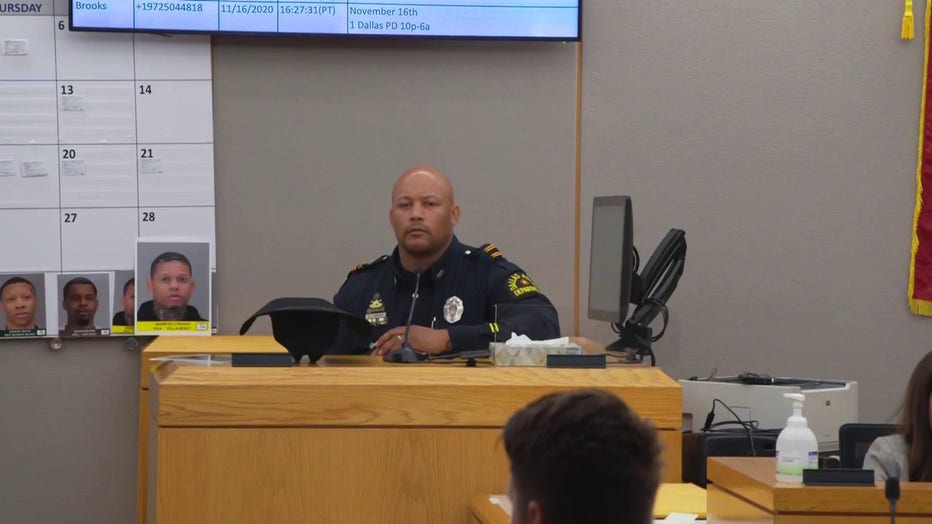
LIVE | Yella Beezy murder trial continues on Day 6.
Dallas Police Officer Nicholas Brooks took the stand to detail his time working as private, off-duty security for Yella Beezy.
Officer Brooks testified that shortly after hearing a rapper had been shot on the freeway, he immediately texted Conway. Brooks said in court that he reached out because he knew about the ongoing internet feud and wanted to know if Conway was either the shooter or the victim.
The state also questioned Brooks on the logistics of the security he provided for Conway and his girlfriend’s business, D Hair Boutique. Brooks noted that Conway paid the off-duty officers electronically using Zelle.
Brooks testified that he banned another local rapper, Trapboy Freddy, from being present during his security shifts, telling the court, "Normally, if he's there, there's going to be a problem."
Defense attorneys pointed out that it was Officer Brooks who first reached out to Conway for the job and that Brooks had to teach Conway how to use the Zelle app to pay him.
The defense emphasized that the two grew close enough that Brooks invited Conway to his wedding and joked about Conway naming his newborn child after him.
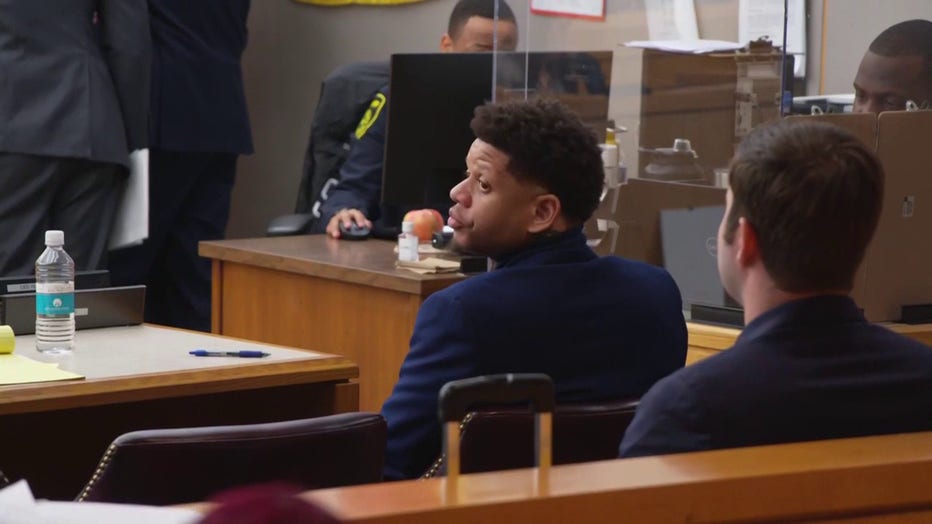
9 a.m. Trial resumes
FOX 4 will have live coverage of the trial each day after testimony begins around 9 a.m.
Monday's Recap
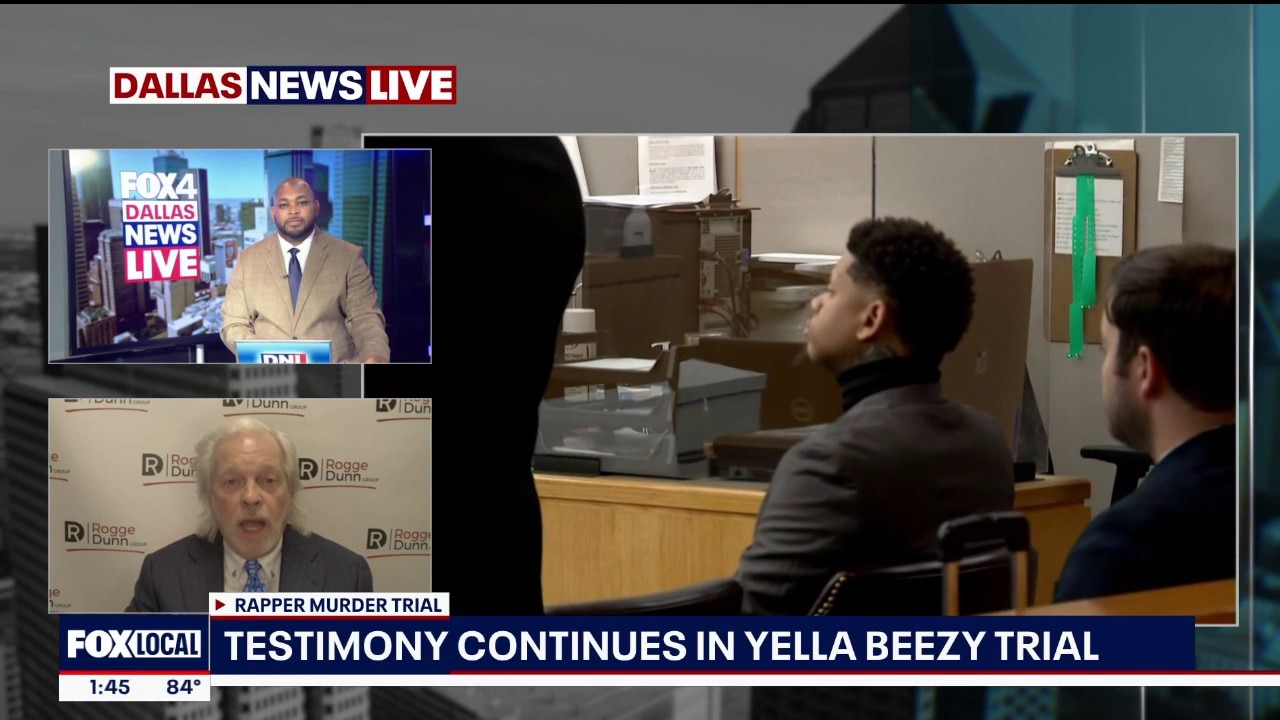
Yella Beezy trial | Dallas News Live
Steven Dial speaks to attorney Rogge Dunn as day 5 of testimony in the Yella Beezy trial continues.
Prosecutors questioned an American Airlines employee and an Arlington jeweler to establish a timeline of travel and cash exchanges. Flight records showed Conway and Thomas flew to Los Angeles days before the murder, and White later purchased custom jewelry with thick bundles of cash.
A Dallas police detective also testified about tracking Conway's vehicle on the freeway before officers safely arrested him at an apartment complex.
Defense attorneys argued last-minute flights and large cash purchases are standard industry practices for entertainers. The defense also pointed out that police never formally charged Conway with evading arrest during the freeway tracking.
Prosecutors aggressively challenged Thomas's sudden reversal, arguing he changed his story out of lifelong loyalty to Conway.
"In the past year and a half, you have never once recanted or said 'I lied' about anything, correct?" a prosecutor asked.
"Correct," Thomas said.
Thomas admitted he waited until just before White's trial to change his story, claiming he originally cried before the grand jury because he felt guilty about lying.
MO3 Murder

VIDEO: Rapper Mo3 chased down by hitman on I-35
Prosecutors released video of rapper Mo3 being shot at and chased down by a hitman on I-35 in Dallas. The video was shown during a bond hearing for fellow rapper Yella Beezy who allegedly hired the hitman Kewon Dontrell White.
MO3 was shot 11 times and killed on I-35 back in 2020. Prosecutors allege the shooting was part of a murder-for-hire plot organized by rapper Yella Beezy, whose legal name is Markies Conway. They claim he paid Kewon White to carry out the murder over a long-running feud.
In September, jurors found White guilty of capital murder and sentenced him to life in prison after viewing video and hearing testimony about the shooting. Prosecutors also presented evidence of an alleged payment from Conway to White.
Conway has pleaded not guilty to capital murder and denied involvement. His trial was delayed by a month so that his lawyers could get a copy of White’s trial transcript.
A third defendant, Devin Brown, is also charged with capital murder.
Continued Coverage
- Day 5: Yella Beezy murder trial key witness Theodore Thomas claims he lied in grand jury testimony
- Day 4: Yella Beezy murder trial key witness doesn't testify, ordered to return on Wednesday
- Day 3: Yella Beezy murder trial continues on Day 3 with testimony from informant Jose Bodega
- Day 2: Yella Beezy murder trial testimony on Day 2 focuses on crime scene evidence, surveillance photos
- Day 1: Yella Beezy on trial for Dallas rapper MO3's murder
- Jury seated in Dallas rapper Yella Beezy’s capital murder trial
- Kewon White’s lawyers seeking a new trial over sleepy juror
- Kewon White files appeal in MO3 murder conviction
- Kewon White found guilty, sentenced to life in prison for MO3's murder
The Source: The information in this story comes from trial testimony and past news coverage.