

Tanner Horner Trial Day 11: Former teachers, specialists testify about killer's autism diagnosis
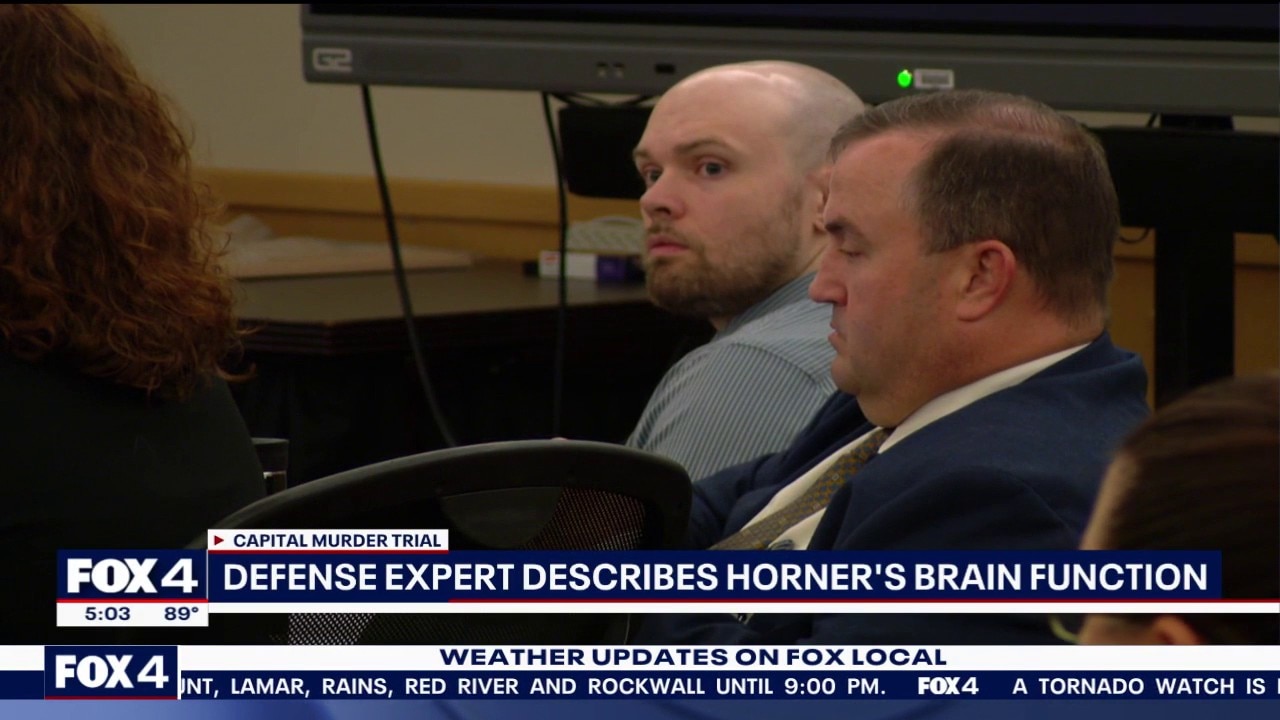
Witnesses describe Tanner Horner's childhood behavior
More witnesses took to the stand in Tanner Horner's capital murder trial on Thursday to describe his childhood behavior, all as Horner's defense team tries to keep him off of death row. FOX 4's Dionne Anglin has the latest.
FORT WORTH, Texas - Jurors returned to a Tarrant County courtroom on Friday to weigh a death sentence for Tanner Horner.
Horner pleaded guilty to capital murder and kidnapping in the 2022 death of 7-year-old Athena Strand. He admitted to abducting the girl while delivering a package to her Wise County home on Nov. 30, 2022. The jury must now decide between the death penalty or life in prison without the possibility of parole.
Live Updates
2:30 p.m. Done for the Day
Testimony ended for the week. The trial will resume on Monday at 9 a.m.
1:45 p.m. Clinical neuropsychologist testifies
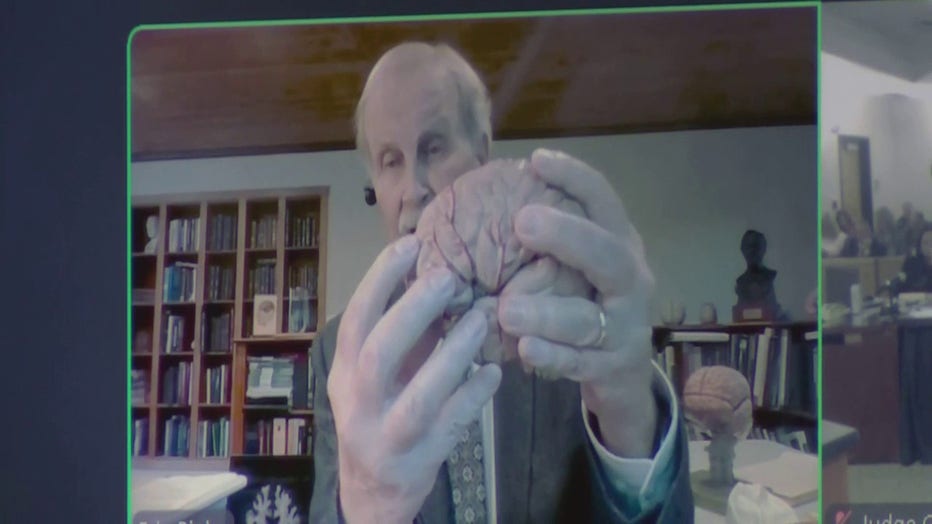
Dr. Erin Bigler testified remotely. He is a professor of psychology and neuroscience at Brigham Young University and is also licensed and certified as a clinical neuropsychologist.
He did not examine Horner but was asked to give testimony for the defense on understanding brain anatomy, brain function, and contemporary methods for evaluating the human brain. He used a model to explain to jurors the brain's four lobes and how abnormalities in each area might affect behavior.
1:20 p.m. Neuroscientist's cross-examination
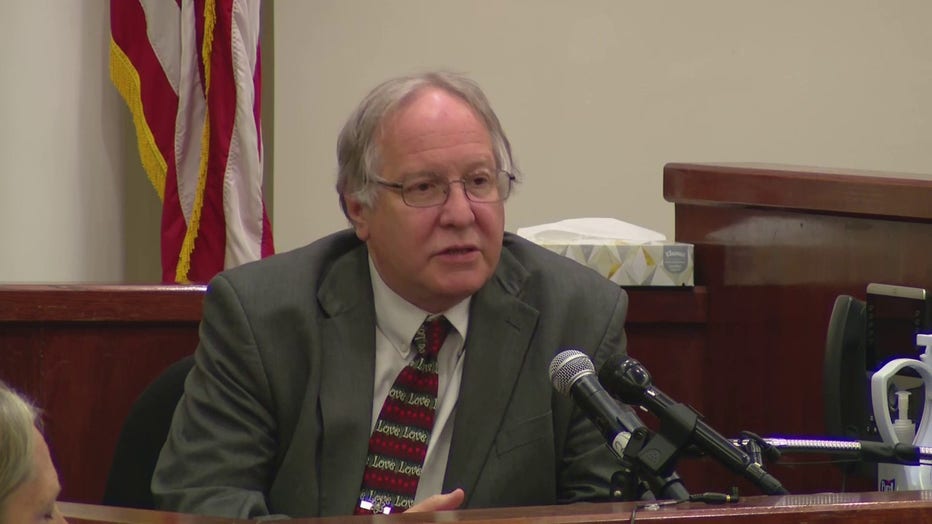
Prosecutors cross-examined Dr. Lewine, pointing out that he was hired by the defense and gave similar testimony on behalf of defendants in about seven or eight capital murder cases in Texas. He also admitted that while he can say Horner has abnormal brain structure and function, he cannot give a diagnosis.
Dr. Lewine confirmed that the clinical interpretation of Horner's brain scans is that there are no gross abnormalities. He also admitted that in his neuroscience, he cannot distinguish between those who cannot control their impulses and people who choose not to control their impulses.
He said he agreed with the speech pathologist's opinion that autism did not cause this crime.
12 p.m. Lunch break
Jurors took an hour-long break for lunch.
11 a.m. Neuroscientist testifies
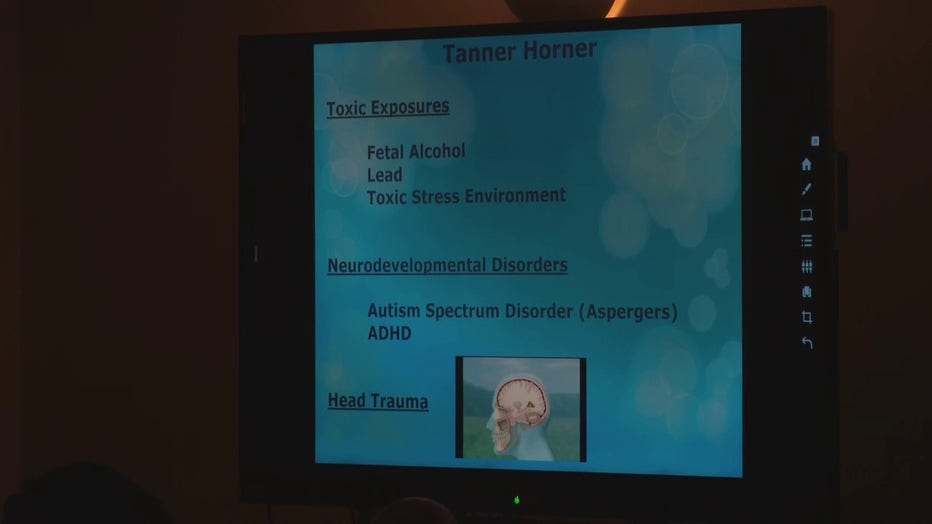
Dr. Jeffery David Lewine, a neuroscientist, took the stand to share his expertise on the brain. He talked about the things in Horner's history that had the potential to disrupt his brain structure and function. He also showed Horner's brain scans and talked about his brain functions compared to the average person.
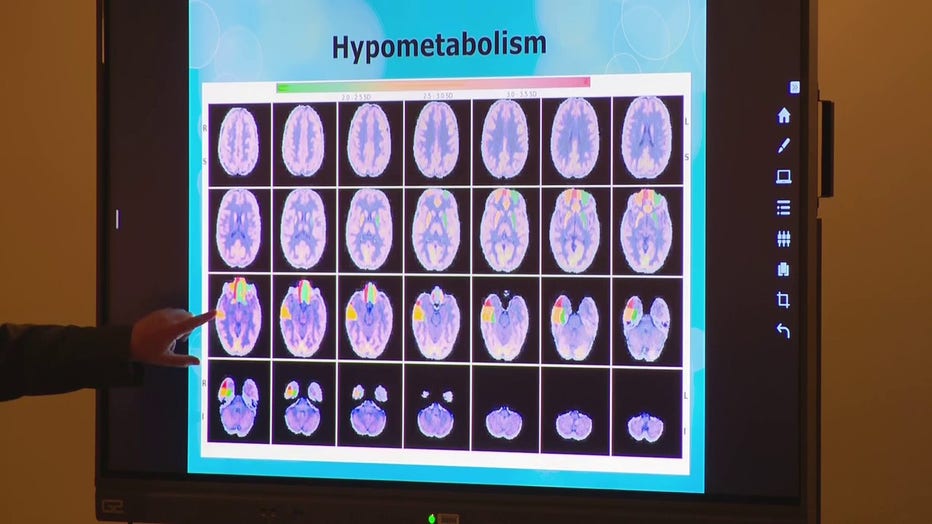
"The number of abnormalities Mr. Horner has, we would see in less than .01% of the population," Dr. Lewine said.
"So even with any abnormality and even with any abnormality and even with some deficits, you're not telling us that a person is going to act a certain way?" the attorney asked.
"Again, I can only talk about the general, this is what it's correlated with. From the imaging alone, I cannot say anything specific about Mr. Horner's behavioral pattern," the neuroscientist said.
9:20 a.m. Speech language pathologist
Beth, a woman who worked with Horner on his pragmatic speech skills at school and behavior management at home, was the second person to testify on Friday morning.
"I just worked with him, with these students, to help them learn coping to whatever the situation was because cognitively, you throw something in on an individual who has Asperger's, Tanner especially, you throw something out of the ordinary into his daily schedule and he's off. He can't, can't adjust to it quickly. You need to slowly get him used to it, help him think about what his behavior is going to be," she said while being certified outside the presence of the jury.
After the jury returned to the courtroom, Beth talked more about her observations while working with Horner. She said he had trouble with social cues and identifying other people's emotions. He also had trouble understanding boundaries.
"His cognitive abilities stopped at a certain point for him to be able to understand jokes, teasing, bullying. He was definitely bullied through school. And those were aggravating to him. Ane he got angry, of course," she said.
She talked about him getting angry when he couldn't understand things. But she said she never saw him lash out at any other students.
The speech pathologist said she only met Horner's mother a few times. Horner's mother seemed to cause instability in the home and did not have motherly instincts, in her opinion.
She testified that Horner's grandmother was a lovely lady who tried her best. She said his grandfather was also involved in his life but was more gruff and just wanted Horner to behave, she said.
When asked about how she remembers Horner so well after 20 years, she replied that it's because she liked him.
"He was a great kid," she said.
Tanner Horner's former teacher on the autism excuse
A retired speech pathologist who worked with Tanner Horner while he was in the seventh grade in Azle ISD testified on Friday about how autism affected him. Defense attorneys asked her if she thought it was the reason or an excuse for him kidnapping and murdering 7-year-old Athena Strand.
The defense asked her if she thought Horner's autism was the reason Athena's murder occurred.
"No," she said.
"Do you feel that it's an excuse for what happened?" the defense asked.
"No," she said.
"Do you feel that it justifies what he did?" the defense asked.
"No!" she said. "No, no, no."
"Do you feel it's a defense to what he did?" the defense asked.
"No, I don't. I'll tell you where it comes in. In my mind, this young man should have never been in that truck by himself," she said.
Under cross-examination, Beth told prosecutors that Horner may have reacted differently to the situation if someone had been in the truck with him when he hit Athena. Prosecutors asked her if her opinion would change knowing there is evidence Horner did not hit Athena with the truck.
"It doesn't change my opinion because my opinion will always be he should have had another adult in the car with him. What it does, it makes me wonder what the whole thing was about. Why?" she asked.
"Are you saying that his autism caused him to kidnap and murder this child?" prosecutors asked.
"No," she said. "I'm saying it did not."
9 a.m. Former teacher testifies
Tanner Horner's fifth grade teacher testified about his time in her class. She recalled him being newly diagnosed with autism. She thinks he joined her class later in the year and said he may have been living with a cousin or other family members at that time. She didn't recall any major behavior problems and said she enjoyed being his teacher.
Day 10 Recap: Defense Focuses on Childhood Trauma and Neurological Health
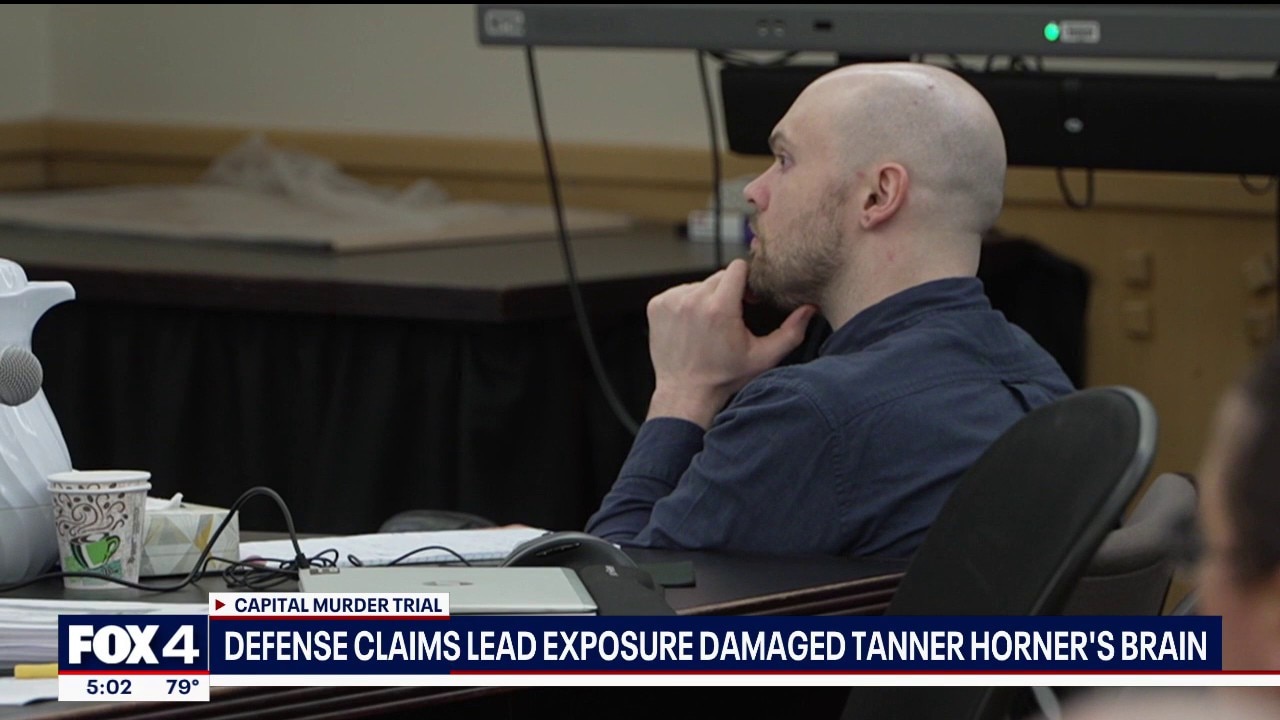
Jurors hear testimony on Tanner Horner's mental state
Tanner Horner's defense claimed lead exposure as a child led to his brain being damage as they attempt to keep the convicted killer of Athena Strand out of death row. FOX 4's Dionne Anglin has more.
The sentencing phase of the Tanner Horner trial entered its tenth day on Thursday, April 23, with the defense calling several witnesses to testify about Horner’s difficult upbringing and physical health in an effort to avoid a death sentence. The day began with a paternal aunt describing a family history plagued by drug abuse, specifically noting that Horner’s father was an addict who spent nearly 90% of his life in prison. While she detailed a childhood of "filth" and instability, prosecutors countered by highlighting that she had personally experienced similar hardships without ever turning to violence or crime.
The defense then called a second cousin who babysat Horner when he was an infant and toddler. She recalled Horner’s "extreme fits" as a toddler and his unusual habit of constantly trying to eat coins, a detail that served as a lead-in for the medical testimony that followed.
Dr. Aaron Specht, an expert from Purdue University, provided significant testimony regarding Horner’s exposure to toxic levels of lead. He revealed that Horner’s bone-lead levels were roughly 33,000 macrograms - nearly 24 times higher than the average for his peers. Dr. Specht concluded that such extreme exposure, likely exacerbated by his childhood habit of eating coins, would have caused significant and irreversible neurological damage. During cross-examination, however, the prosecution pointed out that there are no medical records indicating Horner was ever treated for lead poisoning as a child.
The afternoon session pivoted to Horner’s educational history and his autism diagnosis. A retired school psychologist for Azle ISD testified that while Horner was bright enough to attend standard classes, his diagnosis required him to spend half the day in behavior improvement classes. She noted that while Horner struggled significantly with peer relationships and temper tantrums, school records from his three-year evaluation did not indicate a history of physical aggression.
Athena Strand Murder: Tanner Horner Trial Recap
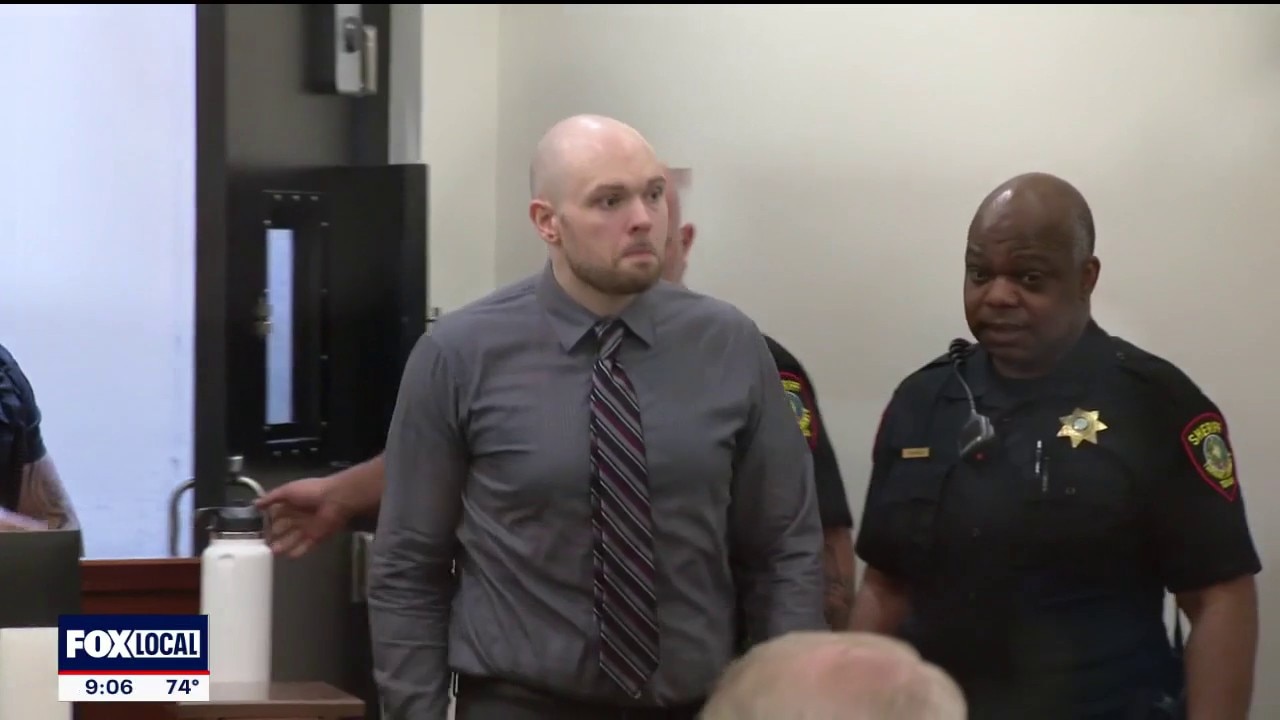
Tanner Horner's mother breaks down during testimony
The mother of Tanner Horner broke down on the stand today during the third week of the trial to decide whether Athena Strand's convicted killer will get the death penalty or life in prison. FOX 4's Peyton Yager has more.
Day 9: Horner's mother testifies
The morning began with testimony from John Edens, a psychologist and professor at Texas A&M University. Edens testified regarding developmental and personality disorders, detailing the clinical distinctions between the two for the jury.
Horner’s mother also took the stand, though her face was not shown on the court’s camera feed. She provided a candid look at her son’s upbringing, admitting to a history of substance abuse involving heroin, methamphetamine, and alcohol.
She testified that she was using "anything I could get my hands on" before realizing she was eight or nine weeks pregnant with Horner, at which point she said she attempted to stop.
The testimony turned emotional when the defense asked about the murder of the 7-year-old. "I’m so mad at him. I want to just tear his a-- up," she said through tears. "She was just a baby."
The defense also called Dottie, Horner’s great-aunt, who described Horner’s "rambunctious" childhood. She testified that Horner and his father lived with her mother intermittently and noted that Horner's father struggled with drug addiction and served time in jail.
Day 8: Audio Evidence of Athena Strand’s Final Moments Played for Jury
In the most harrowing day of the trial, jurors heard audio recorded inside Horner’s FedEx delivery van. The recording captured the child talking to Horner about her school and teacher before the situation turned violent. Several jurors wept as the room fell silent; Horner was observed looking away from the screen as the struggle began.
Day 7: Athena Strand’s Mother Testifies; DNA Evidence Linked to Tanner Horner
Maitlyn Gandy, Athena’s mother, testified about her final moments with her daughter, recalling a promise to see her that Friday for Christmas lights. Later, a Texas DPS forensic analyst testified that Horner’s DNA profile could not be excluded from samples collected in a sexual assault kit.
Day 6: Forensic Experts Detail DNA Evidence Found on Athena Strand’s Clothing
Forensic analysts testified that male DNA was detected on swabs from the child’s sexual assault kit and under her fingernails. While the defense questioned the precision of the DNA quantification, experts maintained that the presence of male DNA was significant.
Day 5: Medical Examiner Reveals Athena Strand’s Cause of Death; Jailhouse Letters Shown
Medical examiner Dr. Jessica Dwyer testified that Athena died from blunt force injuries, smothering, and strangulation, stating she believed the child suffered. The jury also reviewed letters Horner wrote in jail; one blamed a "mental breakdown," while another claimed an unidentified man forced him to commit the crime.
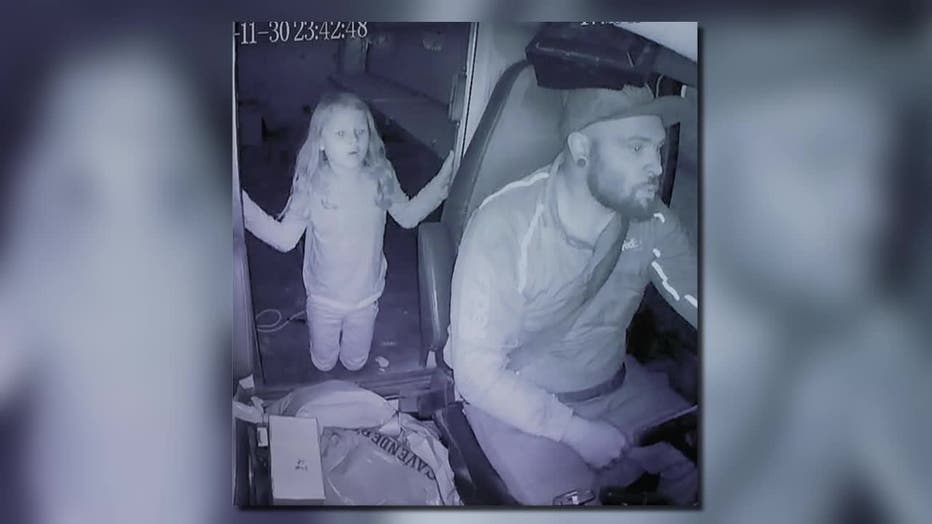
Day 4: Jury Hears Testimony Regarding Tanner Horner’s ‘Zero’ Alter Ego
Jurors watched video of investigators questioning Horner about the location of the body. In the footage, Horner spoke as an alter ego he called "Zero," claiming he found the situation "funny." A Texas Ranger testified that Horner’s physical demeanor would change significantly when he allegedly switched personalities.
Day 3: Interrogation Video Shows Tanner Horner Negotiating for Christmas Release
Additional body camera footage showed Horner asking investigators to let him out of jail for a month to spend Christmas with his family in exchange for the location of the victim's body.
Day 2: How Investigators Used ‘Zero’ Personality to Locate Athena Strand’s Body
Authorities testified that Horner initially led them to the wrong location. Investigators stated they were only able to locate the child after changing their interrogation tactics to address Horner directly as his alter ego, "Zero."
Day 1: Tanner Horner Pleads Guilty to Capital Murder of Athena Strand
The trial began with Horner’s unexpected guilty plea to capital murder. Prosecutors described Athena as a "warrior" who fought her attacker, while the defense pivoted immediately to the sentencing phase, focusing on Horner’s mental health history.
Tanner Horner Trial Daily Recaps
- Day 1 - Tanner Horner pleads guilty
- Day 2 - Tanner Horner discusses alter ego ‘Zero’
- Day 3 - Tanner Horner interrogation shown to jury
- Day 4 - Investigators share details about FedEx ‘abduction van’
- Day 5 - Phone calls with family members, ME testifies
- Day 6 - Women accuse Tanner Horner of sexual assault
- Day 7 - Athena Strand's mother testifies
- Day 8 - Audio evidence of Athena Strand’s final moments
- Day 9 - Horner's mother testifies
- Day 10 - Medical experts, psychologists testify
Athena Strand's Death

Horner was charged with capital murder for the death of 7-year-old Athena Strand outside her family’s Wise County home on Nov. 30, 2022.
A contract delivery driver working for FedEx at the time, Horner was delivering what was meant to be a Christmas present for the young girl.
Horner told investigators he accidentally hit Athena with his van while delivering a package to her home. She reportedly survived, but Horner told authorities he panicked and kidnapped her, later strangling her to death.
Athena was reported missing, and eventually an Amber Alert was issued, leading to 72 hours of searching. She was found dead in Boyd, Texas, not far from her family's home.
Athena Alert

After Athena Strand's case, Texas Legislators passed a new bill that created a version of an Amber Alert known as the ‘Athena Alert.’
The new law allows authorities to issue an Amber Alert for a missing child that doesn’t have to meet all of the initial criteria.
Under the Athena Alert law, an Amber Alert can still go out even though authorities haven’t confirmed a missing child was kidnapped.
The alert would be able to be sent out to a 100-mile area around the disappearance and adjacent counties.
DPS emphasizes that this is not a new type of alert. All alert messages will still be referenced as an Amber Alert.
The Source: The information in this story comes from trial testimony and past news coverage.