

Texas' 2nd Special Session is over; Here's what's on Gov. Abbott's desk
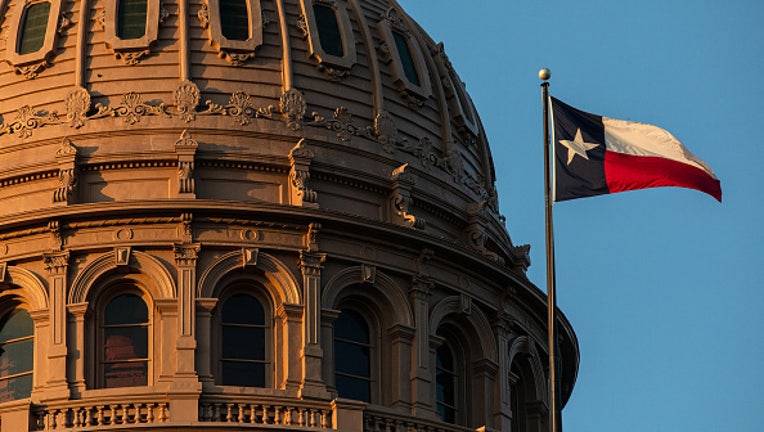
AUSTIN, TX - SEPTEMBER 20: The Texas State Capitol is seen on the first day of the 87th Legislature's third special session on September 20, 2021 in Austin, Texas. Following a second special session that saw the passage of controversial voting and ab
AUSTIN - The second Special Session of the Texas Legislature ended 10 days early on Wednesday night.
Here's a look at the bills now waiting to be signed by Gov. Greg Abbott.
HB 1: Texas camp emergency preparedness
House Bill 1 in part requires Texas camps to create an emergency plan for staff and campers with procedures for many possible disasters and emergencies.
The change comes after the devastating flooding in the Texas Hill Country on the Fourth of July, resulting in the deaths of 25 campers and two staffers at Camp Mystic.

Parents of Camp Mystic flood victims fight for camp safety reform
The parents of the Camp Mystic flood victims testified Wednesday morning on camp safety reform in the state.
SB 1: Texas camp cabin requirements
Senate Bill 1, also in the vein of flooding protection following the Fourth of July tragedy, specifically relates to the placement of cabins.
The legislation was written in response to the deadly July 4th Central Texas flooding, and could deny camps licenses if they have housing in a river flood plain.
There are other safety components included, as well.
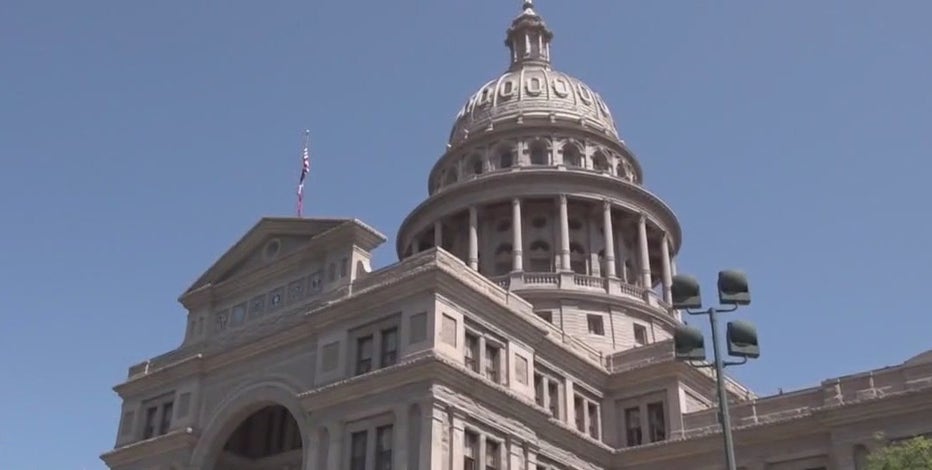
Protections for camps in Texas floodplains pass House, Senate near unanimously
The new protections come after the devastating July Fourth floods in the Texas Hill Country that claimed the lives of dozens of young campers.
SB 5: Disaster supplementation
Senate Bill 5 adds supplemental funding for disaster response, relief and recovery.
The bill appropriates $200,000,000 economic stabilization fund to match federal money received related to disaster response.
The bill is another response to the deadly Texas Hill Country flooding.

FOX donates to Texas flooding relief; how you can help
As heavy rains and the risk of dangerous flooding continue in Central Texas, the FOX Corporation is encouraging viewers to help provide relief.
HB 7: Lawsuits for abortion pills
House Bill 7 relates to the production, possession, and use of pills that induce abortions.
Under the bill, private citizens will be allowed to sue anyone who makes or sends abortion pills to Texas for up to $100,000.
This law does not impact the Life of the Mother Act, which was signed by Abbott recently to provide a narrow exception for abortions in cases where the life or health of the mother is in danger.
Bill clamping down on abortion pills nears Gov. Abbott's desk
The Texas House passed a bill that would allow private citizens to sue anyone who makes, distributes or mails abortion medication to Texas.
HB 8: Replacing the STAAR test
House Bill 8 does away with the STAAR test in Texas; the one-and-done academic assessment exam administered at public schools.
The test will be replaced by three new assessments throughout the school year, spaced out from the beginning, middle to end.
Additionally, teachers will no longer be able to prep students for academic assessments, which lawmakers say will reclaim valuable hours of class time that can now be spent on instruction.
Bill to replace STAAR testing passes Senate after failure of regular session version
The bill would replace the STAAR with three shorter student support tests, and would require A-F ratings for campuses across the state.
SB 8: Texas bathroom bill
Senate Bill 8 is aimed at ensuring bathrooms in government buildings are used only by those who were assigned the corresponding gender at birth.
The bill allows for non-compliant organizations to be fined $25,000 for their first offense and $125,000 for their second offense. The penalties were quintupled in a House amendment.
One representative in opposition of the bill said it was "like filing a ban on Bigfoot," saying there have been no incidents in Texas bathrooms since the last attempt at a bathroom bill eight years ago.
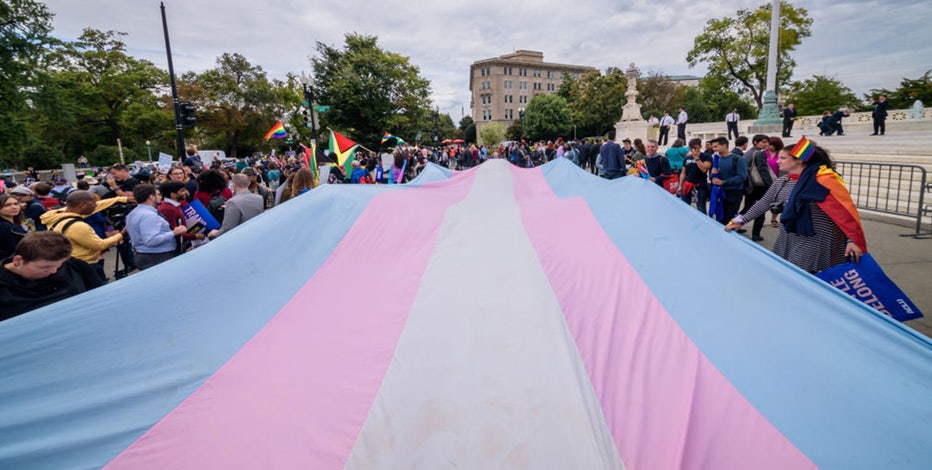
Texas House passes 'bathroom bill' aimed at trans people, now with quintupled penalties
The Texas House has passed a bill that would bar transgender people from using bathrooms in government buildings that align with their gender identities.
HB 18: Penalties for quorum busters
House Bill 18 is a bill in direct response to the Democrat effort to block congressional redistricting.
The law would allow for a House of Senate member's seat to be vacated if they leave the state for over a week during a legislative session without being excused.
Before HB 18, members were merely fined $500 per day for unexcused absences.
Quorum breaking is a long-practiced tactic of the minority party to attempt to prevent partisan legislation.
Gov. Abbott added the bill to the second Special Session upon the return of the Texas Democrats.
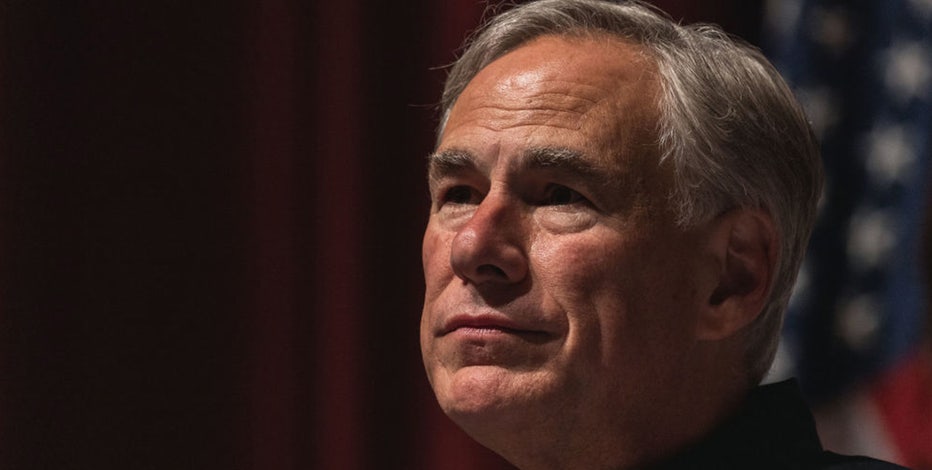
Future Texas quorum busters' seats could be forfeit if Gov. Abbott has his way
Abbott introduced three new items for Special Session #2, including one that would vacate the seats of members who leave the state for a week during a legislative session.
HB 20: Preventing charity fraud
House Bill 8 is another bill deemed necessary after the Central Texas flooding.
The bill aims to prevent and reduce scammers from stealing money from well-meaning people following declared disasters.
The issue came to light after fraudsters ran rampant among the many legitimate charities set up for the families and cities impacted by the July 4 flooding.
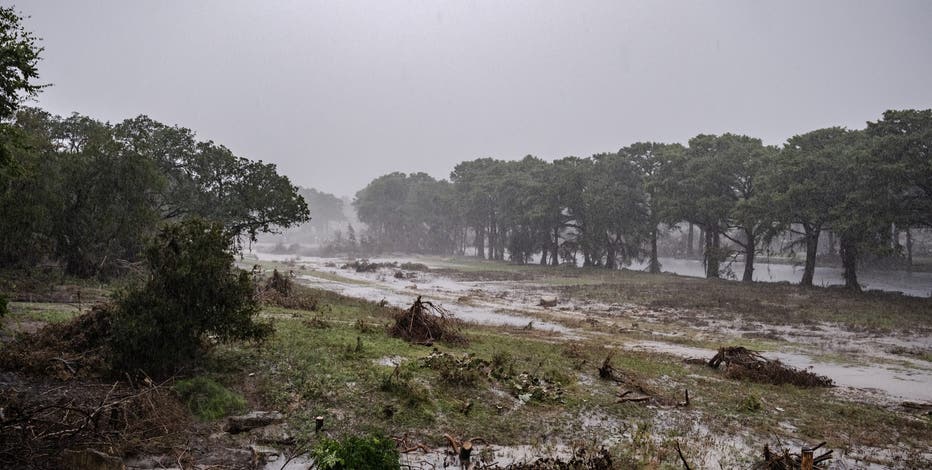
Texas floods: $40 million committed to new housing fund for Kerr County flood victims
$40 million has been pledged to a new housing fund for Kerr County flood victims through the Community Foundation of the Texas Hill Country.
SB 54: Changes to voter registration
Senate Bill 54 aims to prevent same-day voter registration from occurring in Texas.
The bill only allows for a voter to be registered 30 days after changing information in their records.
It also prevents residents from voting if their address is not current.
What's next:
Abbott now has 20 days to sign or veto passed bills, or allow them to take effect without his action.
Bills that were not passed can be brought back up if Abbott calls another special session, or may wait until the 90th Texas Legislative Session in 2027.
What failed in the second Special Session?
Dig deeper:
While Abbott's priority bills passed through the legislature, some bills did not make the cut.
The session had the potential to run until Sept. 13, and instead adjourned sine die on Wednesday, Sept. 3.
Some key legislation that died Wednesday is listed below.
Hemp-derived THC ban
Senate Bill 6, the copycat of the notorious SB 3 from the regular session which was vetoed by Abbott at the wire, this time was unable to make it to the governor's desk.
The bill stalled in the House, and as of Thursday, Sept. 4, most hemp-derived THC products remain legal in Texas.
Another bill, Senate Bill 2024, bans THC vapes, as well as any vape devices made in China. THC products not in disposable vapes do not apply.
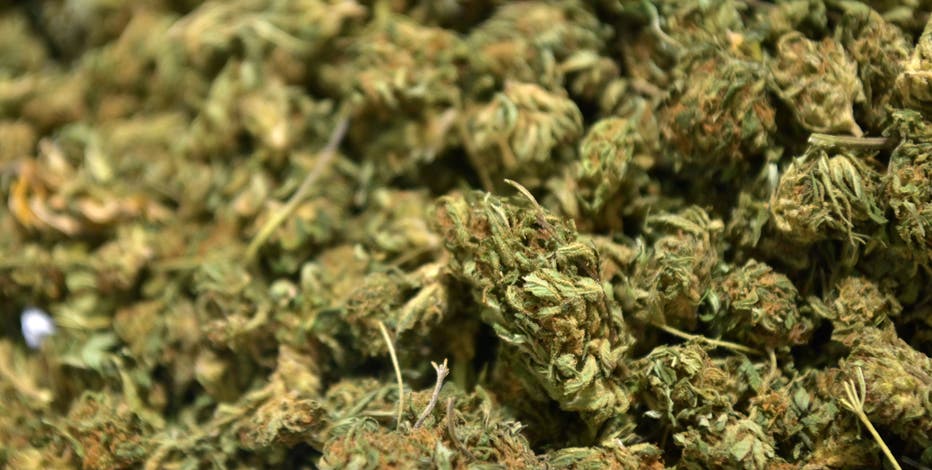
Most Texas THC products remain legal after GOP leaders fail to break legislative impasse
Legislators couldn’t reach a last-minute deal to tighten regulations on consumable hemp products.
Property tax relief
Senate Bill 10 would have lowered the voter approval tax rate from 3.5 percent to 2.5 percent for certain areas.
The bill faced opposition in the lower chamber, and did not advance.
Confidential police records
House Bill 15 would have required law enforcement agencies to keep confidential personnel files containing internal documents and unsubstantiated complaints.
The bill passed the House and Senate in different forms, but middle ground could not be found.
What's already law?
Some bills have already been signed by Gov. Greg Abbott after being passed in the second Special Session.
Texas congressional maps
House Bill 4 redraws Texas' congressional district maps to shift the state further towards a Republican representation.
The effort was pushed by President Donald Trump, and in turn, by Gov. Greg Abbott. The controversial proposal came in the middle of the decade, years earlier than typical redistricting.
Texas Democrats, who decried the proposal as gerrymandering and a "power grab," slowed the process by breaking quorum in the first Special Session.
The Democratic effort failed in the end, and the bill has been signed by Abbott. The GOP hopes to pick up five more U.S. House seats in the 2026 midterms with the new districts.
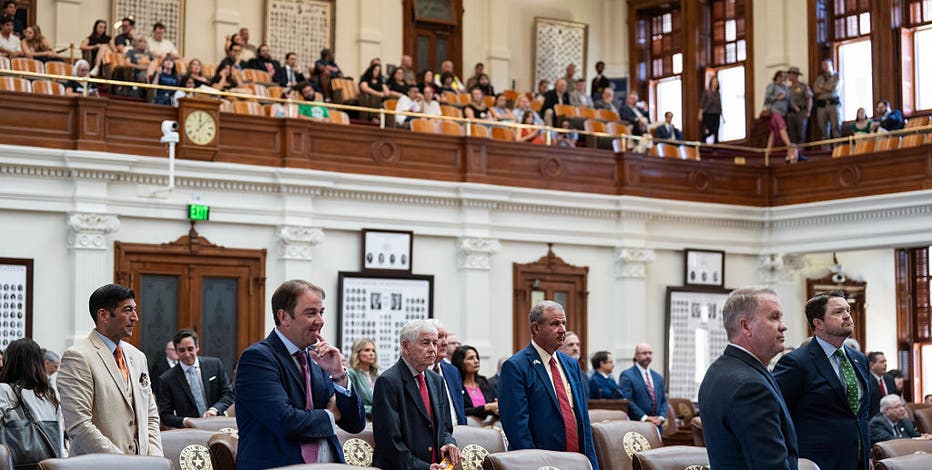
Texas House passes redrawn congressional district map
The Texas House approved new mid-decade redistricting maps on Wednesday after a two-week delay with a vote of 88-52.
Easy ivermectin access
House Bill 25 allows for ivermectin to be easily be accessed at pharmacies in Texas.
Ivermectin is a drug authorized by the FDA as a treatment for parasites. There has been interest in using the medication to treat or prevent COVID-19, though the FDA has not approved it for that purpose.
While much of the medical community continues to discourage "off-label" use of ivermectin, Texas Republicans have rallied behind those calling for universal access.
Texas is now the fifth state to allow unfettered access to the drug.
The Source: Information in this article came from the Texas Legislature Online and previous FOX Texas Digital reporting.