

Increase in Texas juvenile crime has lawmakers looking at new reforms
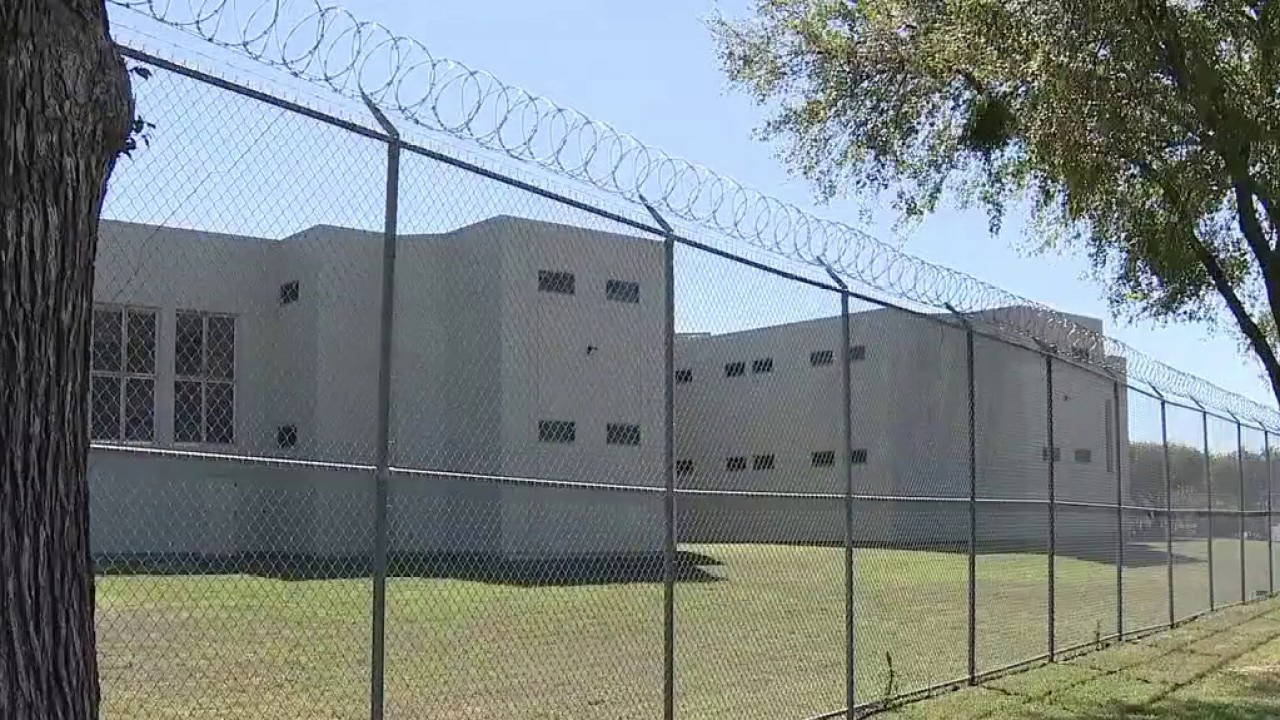
Juvenile violence hearing at Texas Capitol
Violent crime committed by juveniles is growing despite recent reforms made by state lawmakers. On May 5, members of a Senate Committee on Criminal Justice held a hearing on diversion programs and sentencing laws
AUSTIN, Texas - Texas is dealing with a more violent juvenile offender population that the system was originally designed to manage.
This is prompting state lawmakers to pursue more reforms.
What they're saying:
The warning, from Shandra Carter, the executive director of the Texas Juvenile Justice Department (TJJD), was given Tuesday to members of the Senate Committee on Criminal Justice.
"My population has increased, I think when I, 2024 we had 550 youth and we now have 800, but that is I think the courts are catching up. Currently referrals are going down, but commitments are going up because of the type of commitment, the type of youth," said Carter.
State records show that the juvenile justice system has an increase of high-risk youth with aggression and mental health needs. Some end up being reoffenders.
It was noted during the hearing that murders committed by juveniles are down, but gun crime by teens is up.
State lawmakers have already allocated $304 million to build two new youth facilities. Together, when operational by 2029, they will house more than 200 juvenile offenders.
"You cannot say that we're not committed to try to have a facility and facilities and options for these youth to try and guide them to a different life or just lock them up and keep them safe from society, which unfortunately, some of these individuals, that's where they are," said State Sen. Joan Huffman (R-Houston).
The Senate committee is also looking into policies regarding violent offenders who are found not guilty by reason of insanity. Prevention and early intervention was also a big focus of that part of the hearing.
Dig deeper:
Past legislative action put a focus on keeping young offenders in local programs. Collin County Judge Cyndi Wheless testified that change has brought success.
"I 100% believe we make society so much safer if we intervene early and often and with these intervention programs," said Judge Wheless.
Second chances for some high-risk offenders have gone terribly wrong. There was testimony about recent in Houston.
"Benny Simmons was given a 20-year determinant sentence for capital murder and aggravated robbery. He was paroled after two years and three months. Again, 20 years, capital murder, aggravated robbery, he was paroled two years in three months, he's now charged with an additional crime he's actually convicted. When he robbed an 81-year-old elderly woman and assaulted her. He's now doing 22 years in TDCJ," said Andy Kahn with Houston Crimestoppers.
Cases like that are a big reason why state lawmakers are anticipating a tough debate about incarceration and diversion.
Discussion is also expected to continue about a 2024 DOJ report that looked into cases of abuse at juvenile justice facilities. The report claimed Texas has failed to keep children safe from harm and abuse. Officials with TJJD disputed some of the DOJ findings and said safeguards are in place to quickly address abuse claims. Capacity and staffing improvements, according to state officials, are also being addressed.
It was noted that the state only has 165 mental health beds and there are 5,718 juvenile justice beds. That disparity brought a call for lawmakers to invest more into early intervention.
Local perspective:
Elizabeth Henneke with the Lone Star Justice Alliance testified about a program her group helped with in Williamson County.
"We found that our community intervention program actually lowers public or lowers recidivism by 35 percent compared to the control of the traditional system I highly recommend talking to some of our Williamson county Probation chiefs and judges who can tell you that the results of that study fundamentally changed how Williamson County, just north of here, changed their approach in the juvenile system and in young adult systems because it proved how cost effective it was. It was a $10,000 per year program that was all inclusive, all mental health, all housing, all supports, all direct participant. And we ended up saving the county about $65,000 dollars per year in dollars to put them through the jail and let alone if they had actually. Gone into prison. And so that program had really strong returns and Williamson County is actually expanding it," said Henneke.
Another local intervention program also came up during testimony.
Eddie Franz, the executive director of Jail to Jobs, told the committee his non-profit helps individuals 14 to 25 years old learn a trade. Jail to Jobs, and others like it, hope to get a boost from a new re-entry services pilot program that’s being expanded.
The Source: Information in this report comes from testimony given during a Senate Committee on Criminal Justice meeting and reporting by FOX 7 Austin's Rudy Koski.