

Trial to begin for former Uvalde officer charged with failing to protect students

Former Uvalde officer charged to protect students
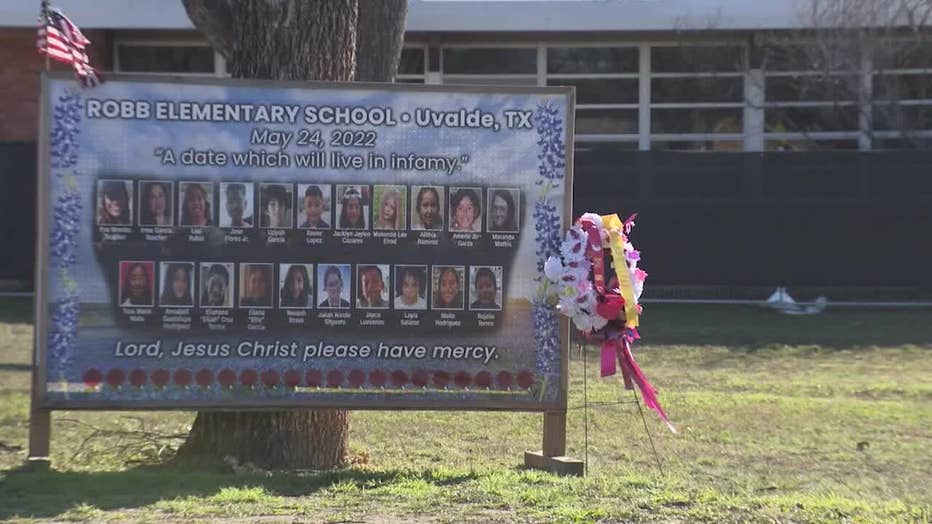
More than three years after 19 students and two teachers were killed at a Uvalde elementary school, someone will stand trial.
More than three years after 19 students and two teachers were killed at a Uvalde elementary school, someone will stand trial.
FOX 4 sat down with a criminal defense attorney to break down what should be expected, what viewers should be looking for, and how this impacts the public.
What we know:
Former Uvalde CISD police officer Adrian Gonzales was one of the first to arrive at the scene of the mass shooting. He has pleaded not guilty to 29 counts of abandoning and failing to protect children.
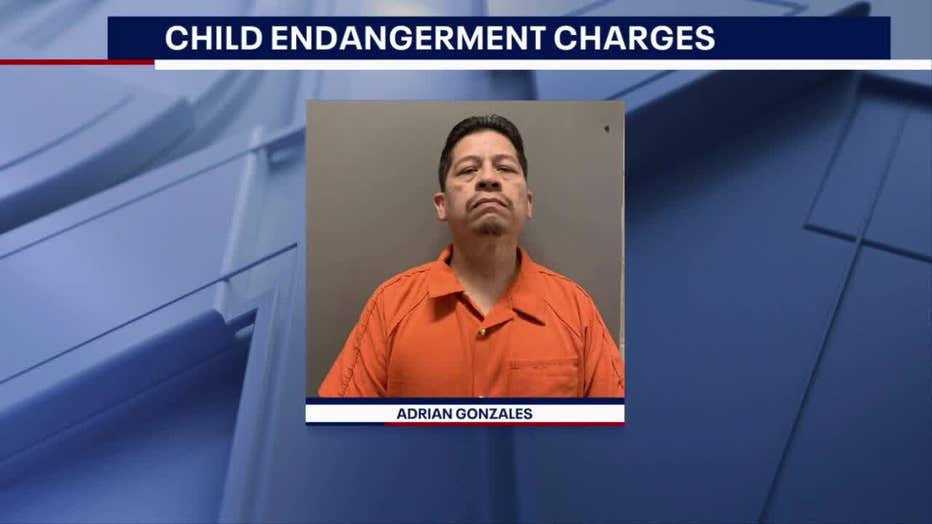
Of the more than 300 local, state and federal officers who responded to Robb Elementary School. Only Gonzales and former Uvalde schools police chief Pete Arredondo face charges.
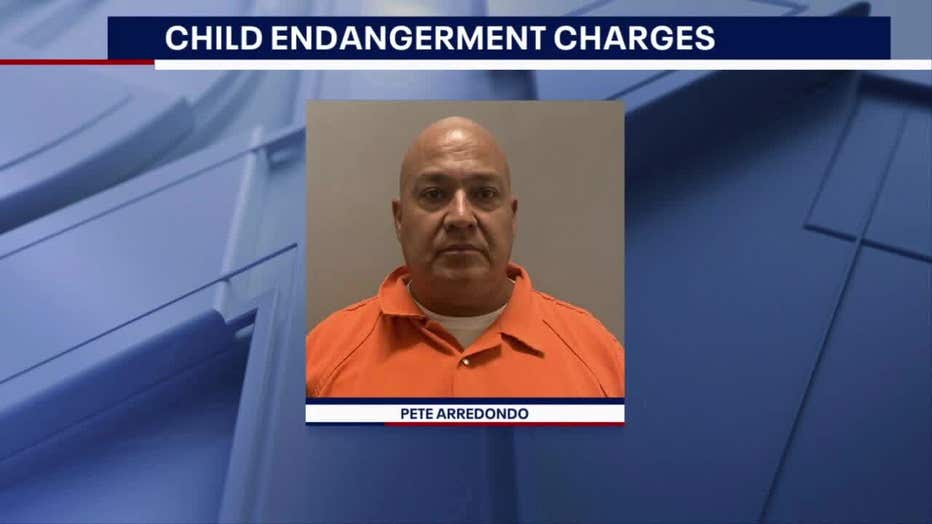
Prosecutors say Gonzales ignored his training and failed to act. His defense insists he was focused on helping other children escape.
What they're saying:
"Those parents want someone held accountable," said Toby Shook, a defense attorney not related to the case. "And the fact that there was a 77-minute delay and engaging with that shooter, they want police officers held accountable. This officer is the only one that had that training, probably, and was one of the first to arrive."
"This is a very unique case, because I think this is maybe the second time an officer has been tried under this theory of being held criminally responsible for not acting, for an omission, rather than an act that he's done," said Shook.
Big picture view:
On Monday, jury selection begins in Gonzales' trial.
Because of the scale of the tragedy and the attention it received, the trial was moved from Uvalde to a court in Corpus Christi.
Attorneys will choose from an unusually large pool of 450 potential jurors.
"Too many people, small county, or touched by that. So, the moving the trial is significant in that the officer has a chance of a more fair jury pool, and there won't be as much pressure on the jury there as there would be if it took place where the shooting actually happened," said Shook.
"Shows exactly how they're expecting a lot of people to be disqualified, or to say they formed an opinion in some way."
Dig deeper:
This phase of the trial is not about deciding guilt or innocence. It’s about determining who can fairly hear the evidence in a case where many people already know the story.
"It's alright if they've seen the news, because most people have seen something about it, but it's whether they have formed an opinion about the verdict that's the key question."
Attorneys on both sides will question jurors closely about what they’ve seen, what they know, and whether they can be fair.
"Honesty is very important. It's important in any jury selection, but especially this one about what you've seen and what your true opinions on it are," said Shook.
Jury selection could take days before testimony begins, and how it unfolds will shape everything that follows.
"I think the rest of the country will care, and must care, because there were children murdered, and it's a situation that's happened again and again in this country, and they wanted to stop."
What's next:
After jury selection, the trial itself is expected to last weeks. Several witnesses and experts are expected to take the stand. Family members of the victims say they plan to make the trip to Corpus Christi for the trial.
FOX 4 will have extended coverage of what happens inside the courtroom in the days to come.
The Source: Information in this article was provided by FOX 4's Vania Castillo.