

No elevated lead levels in drinking water near Iowa detonation, EPA says
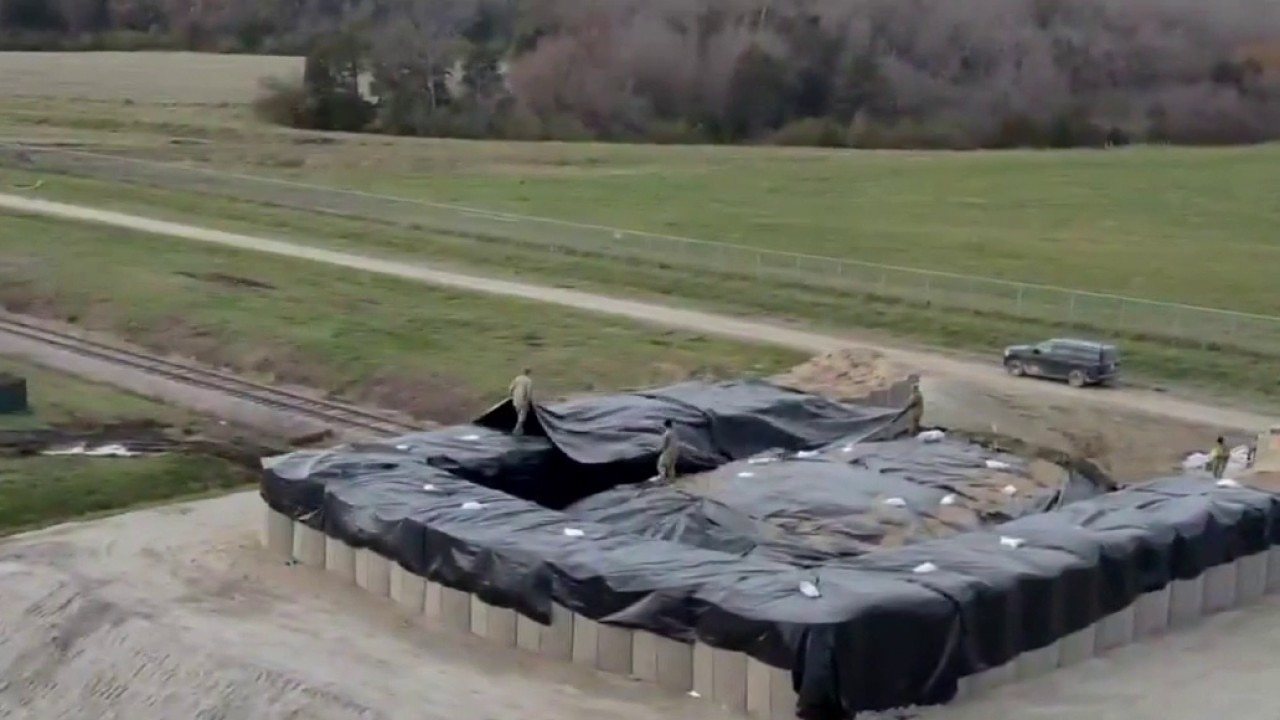
UChicago chemist explains risks of Iowa lead azide explosion and potential environmental impact
A University of Chicago chemistry professor explains why the Army is detonating unstable lead azide in Iowa, how improper storage may have caused it to deteriorate and what the explosion could mean for nearby farmland, animals and long-term environmental monitoring.
MIDDLETON, Iowa - The detonation of lead azide at the Army Ammunition Plant in Iowa last Wednesday did not lead to elevated levels of lead in nearby bodies of water, according to the Environmental Protection Agency.
Lead is a toxic, naturally occurring metal that has no safe exposure level, and, unlike many other pollutants, does not dissipate over time.
Initial results
What we know:
The EPA said Saturday that the initial lab results came from samples taken after the blast from bodies of water that serve as sources of drinking water. The agency said it found no lead in 38 water samples taken after the detonation.
Samples taken before the blast at 35 drinking water sources in Iowa, Illinois and Missouri showed lead levels "significantly below EPA’s lead action level of 15ppb for drinking water."
"Though none of these locations were within the area that the plume actually traveled, and all samples were from untreated source water, EPA is sharing the data publicly to ensure transparency," the agency said in a news release.
The EPA said it is still preparing to "receive, validate, and release" data from water samples taken from taps, soil and dust and from the exterior of structures.
RELATED: Did the Iowa lead detonation impact food safety? Here’s what officials say
‘Reassurance’
What they're saying:
The mayor of Muscatine, Iowa, a small city about 50 miles (80 kilometers) north of Middletown, the tiny town where the Army stockpile was held, said that the EPA’s initial test results showing no elevated lead in drinking water or in the air were encouraging.
Mayor Brad Bark said in an email statement that the findings are a "reassurance for communities."
"Our priority remains the health and safety of our residents. We will continue to follow the recommendations and stay in close coordination with the EPA, the Army, state and county partners," said Bark.
Residents and some elected officials have criticized the Army for not being more transparent and providing more notice when it first determined the stockpile was unstable.
Wally Taylor, the legal chair for the Sierra Club Iowa Chapter, said he was not confident in the EPA’s results and thought it was still "too early to make any firm conclusions." The chapter was one of the environmentalist groups that petitioned to pause a permit that cleared the way for Wednesday’s detonation. Taylor said that lead could still have spread near the explosion site and that he was waiting for test results from the University of Iowa, which sent out air monitors and collected samples before the detonation, and other research groups. "The lead had to go somewhere," Taylor said.