

Uvalde school shooting trial closes for day; set to resume Thursday

Uvalde school shooting trial day 1 recap
Today marked the beginning of the trial of former Uvalde police officer Adrian Gonzales, who's been charged with 29 felony counts of child endangerment after the massacre at Robb Elementary School in 2022. FOX 4's Alex Boyer has the latest on the trial's opening statements and testimonies from the day.
CORPUS CHRISTI, Texas - Opening statements are set to begin Tuesday morning in the trial of a former school district police officer charged for his role in the delayed law enforcement response to the 2022 massacre at Robb Elementary School.
Adrian Gonzales, a former officer with the Uvalde Consolidated Independent School District, faces 29 felony counts of child abandonment or endangerment. He is one of only two officers to face criminal charges following one of the deadliest school shootings in U.S. history.
Jury Selection and Venue
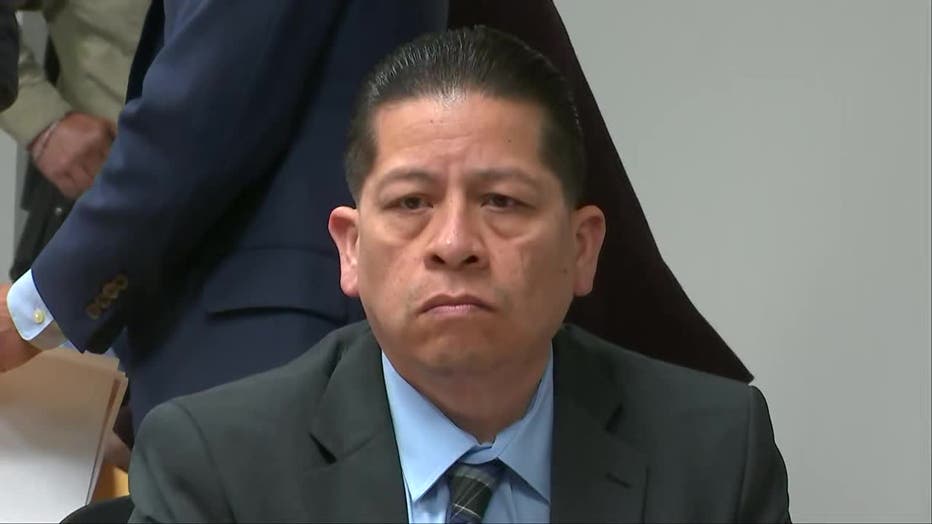
The trial was moved to Corpus Christi after defense attorneys argued that Gonzales could not receive a fair trial in Uvalde, the small community still reeling from the tragedy.
A pool of 450 potential jurors was narrowed down to a final panel of 12. Each prospect was required to complete a detailed questionnaire addressing:
- Their existing knowledge of the police response on May 24, 2022.
- Whether they had donated money to funds supporting the victims' families.
- Any preconceived opinions regarding law enforcement’s actions that day.

Uvalde mass shooting trial: Opening statements begin Tuesday
Opening statements are Tuesday morning in the trial of a former Uvalde School District police officer over his response to the Robb Elementary School shooting.
What they're saying:
"The defense really wants to emphasize that the jurors have not formed any opinions, so they’ll explore that—what they’ve read and what opinions they may have formed," said Toby Shook, a veteran attorney not involved in the case.
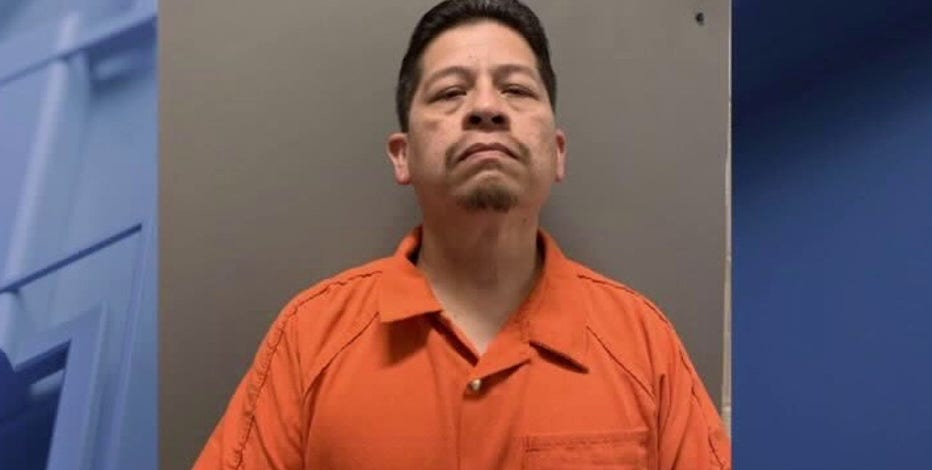
Jury selected for trial of Uvalde officer charged with child endangerment
A jury has been seated in the trial of former Uvalde school officer Adrian Gonzales, who faces 29 felony counts of child endangerment for his alleged failure to act during the 2022 Robb Elementary mass shooting.
The Prosecution's Case
Prosecutors allege that Gonzales ignored his active shooter training and failed to act as a teenage gunman killed 19 students and two teachers.
While the gunman remained inside a pair of interconnected classrooms, a swarm of nearly 400 officers from various agencies waited more than 70 minutes before a tactical team finally breached the room and killed the shooter.
The indictment against Gonzales centers on the argument that his inaction put children at risk during that hour-long window.
Opening Statements
Before opening statements began and before the jury was brought into the courtroom, the judge made a statement to those in the courtroom:
So, before the jury comes in, ladies and gentlemen, spectators, the media, I know the media has, has agreed to some fairly strict rules and that we have a written decorum for the media. I've had several hearings in Uvalde, and I've had spectators, family members, victims in the courtroom, and they have behaved very well. But because of the nature, now that we have a jury, impaneled and sworn, I will tell you, under the new Ice County local rules, if there is an outburst or some sort of problem in the courtroom, there's not going to be warnings. It will be removal for the remainder of the case. So please be cognizant of that and honor that, because we have to maintain order. And that is what their local rules demand.
Timeline:
At 9:49 a.m., the judge gave the jury their general instructions:
Interactions and Conduct
- No Mingling: Jurors must not talk to or mingle with attorneys, witnesses, parties, or anyone interested in the case, except for casual greetings.
- No Favors: Jurors must not give to or accept any favors from those involved in the case, including rides, food, or refreshments.
- Report Misconduct: Any attempt by others to discuss the case with a juror must be reported to the judge or court officers immediately.
- Follow All Instructions: Jurors are warned that Texas law allows for the investigation of jury misconduct, and they may be called to testify if rules are violated.
Discussions and Deliberations
- Total Silence on the Case: Jurors may not discuss the case with anyone, including spouses, until they are officially discharged or excused.
- No Internal Discussion: Jurors are prohibited from discussing the case, even among themselves, until all evidence is closed, arguments are made, and they are sent to the jury room specifically to deliberate.
- No Personal Anecdotes: Jurors must not share personal experiences, special professional/technical knowledge, or information about other lawsuits with fellow jurors.
Evidence and Independent Research
- No Private Investigations: Jurors are forbidden from seeking out information privately. All evidence must be presented in open court to avoid "secret evidence."
- No Inspections or Experiments: Jurors must not personally inspect premises, objects, or articles not admitted in court, nor should they have a third party do so for them.
- No Outside Materials: Jurors may not consult law books, dictionaries, or public/private records for information related to the case.
- Strict Oath: The verdict must be based solely on the evidence admitted in court and the judge's rulings.
Technology and Media
- No Internet Research: Jurors are specifically prohibited from seeking information about the case via the internet or social media.
- Electronic Devices: Cell phones and electronic devices must be turned off in the courtroom and during deliberations.
- No Digital Communication: Jurors may not communicate about the case via text, email, chat, blogs, or social media (e.g., Facebook, X/Twitter).
- No Recording: It is strictly prohibited to record or photograph any part of the court proceedings.
Trial Participation
- Close Attention: Jurors are instructed to pay close attention as the evidence is presented.
- Written Charge: A formal written charge will be provided by the judge at the conclusion of the evidence to guide final deliberations.
Prosecutor's opening statement

Uvalde school shooting trial: Prosecution opening statement
Opening statements begin Tuesday in the trial of Adrian Gonzales, a former Uvalde school officer charged with 29 felony counts of child endangerment. Prosecutors allege Gonzales ignored active shooter training, failing to intervene for over 70 minutes as a gunman killed 19 students and two teachers.
Defense opening statement

Uvalde school shooting trial: Defense opening statements
Opening statements begin Tuesday in the trial of Adrian Gonzales, a former Uvalde school officer charged with 29 felony counts of child endangerment. Prosecutors allege Gonzales ignored active shooter training, failing to intervene for over 70 minutes as a gunman killed 19 students and two teachers. The defense says Gonzales did everything he could that day.
First witness called
The first witness in the case was called just after opening statements.
The witness, identified as Gilbert Limones, a pastor and an employee at the funeral home across the street from Robb Elementary, was asked to describe what happened that day. He talked about how he was told there was a car that crashed into a culvert between the school and the funeral home. He said he and a coworker went to help them, when the driver started shooting at them. They ran back inside and Limones called 911. He then called 911 again when the shooter started shooting at the school. Then he went inside and continued to shoot.
The following video clip may be graphic for some listeners.

Uvalde school shooting trial: 911 calls from a witness across the street from the school
This audio clip may be graphic for some viewers. Gilbert Limones, a pastor and an employee of the funeral home across the street from Robb Elementary, is the first witness in the trial called to the stand. He called 911 twice that day; the first time about the shooter crashing his vehicle in a culvert between the school and the funeral home, and how the shooter fired shots at the funeral home employees trying to help, then again when the shooter started shooting at the school.
Former teacher testifies
As the prosecution continued calling witnesses, a former teacher who taught a third grade class at Robb Elementary when the shooting happened was called to the stand.
The former teacher, who has since changed careers, gave her recollection of the events of the day. She said another teacher provided her with a pair of scissors after the shooting began — later, she said, they noticed the students copied them and carried safety scissors to protect themselves. She soon got together with another teacher to put together a plan to defend themselves against the shooter, she said. Eventually, she said, law enforcement gathered the teachers and students from their room and led them to the parking lot.
The following video clip may be graphic for some listeners.

Robb Elementary teacher testifies during trial | FULL
A third grade teacher at Robb Elementary School in Uvalde, Texas testifies during the trial for Adrian Gonzales, a former police officer who is accused of abandoning and endangering children.
Trial continued to Thursday
The judge issued a continuance to the jury until 9 a.m. Thursday, giving the trial a one-day break before resuming.
The break will be used for both sides to work through "discrepancies" in the teacher's testimony, the judge announced. It has been determined that the teacher's testimony to the grand jury, prior to the trial's start, had different details than that given Tuesday before the jury.
Court proceedings ended at 5:15 p.m. Tuesday.
The Source: Information in this article is from FOX Television Station coverage of the shooting and the trial proceedings.