

Texas Lt. Gov. Dan Patrick says 'separation of church and state' is not in Constitution
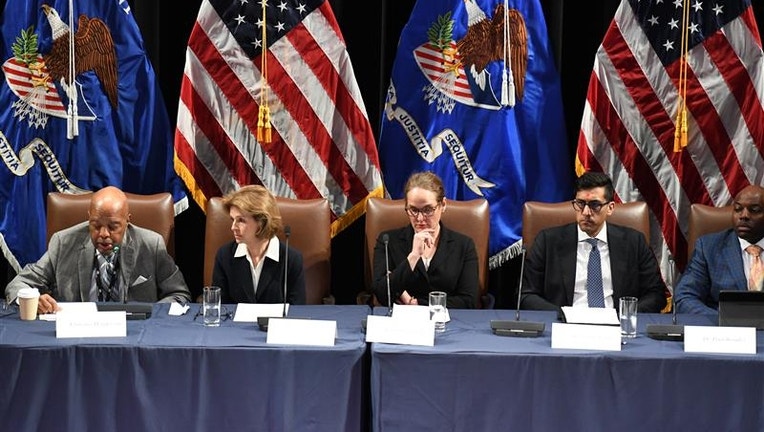
Religious Liberty Commission
WASHINGTON - Texas Lt. Gov. Dan Patrick, who chairs the new Religious Liberty Commission (RLC), wants to "set the record straight" on the First Amendment, saying the Constitution does not mandate a separation between church and state.
Patrick's remarks come after the RLC held its final hearing to discuss the past, present, and future of religious liberty in America.
Patrick: No such thing as separation of church and state
What they're saying:
Patrick began his statement, released after Monday's RLC meeting, by declaring that religious people in the U.S. are "under assault by the secular left." He went on to say that it's time to set the record straight on the Constitution, claiming that the founding document has nothing to say about separating religion and government.
"For too long, the anti-God left has used this phrase to suppress people of religion in our country," Patrick said in his statement.
According to the lieutenant governor, who presides over both the Texas Senate and the recently established RLC, every witness the commission has called in their seven hearings to discuss the matter had related stories of having their religious liberty suppressed by the "so-called" separation of church and state.
What's next:
In May, the RLC will deliver their recommendations to President Donald Trump for the defense of religious freedoms, Patrick says, which will aim to safeguard "against evil forces seeking to suppress them in our country."
Featured
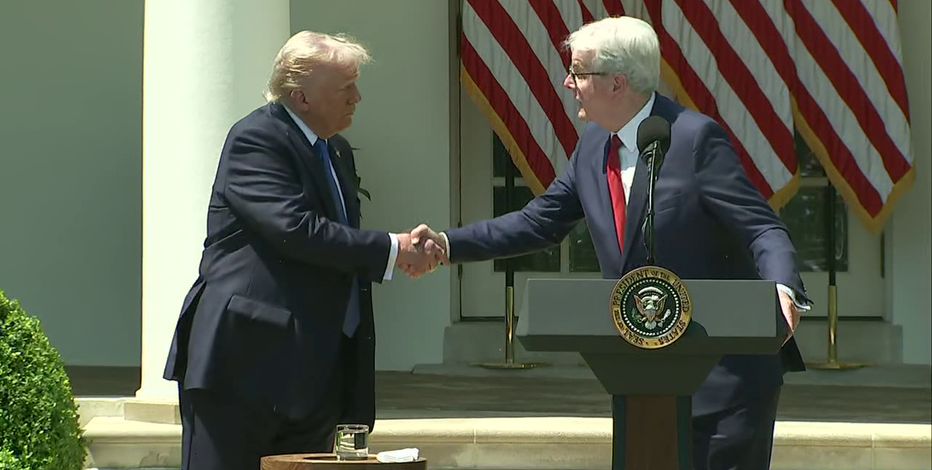
Patrick creates Texas religious liberty committee as he leads similar Trump panel
Texas Lt. Gov. Dan Patrick announced Monday he is creating a state Senate committee focused on religious liberty.
‘Government has no business interfering’
The other side:
A spokesperson for the American Civil Liberties Union of Texas, a nonprofit focused on defending constitutional rights, released the following statement to FOX Local Tuesday:
"Anybody claiming there is no such thing as separation of church and state must not understand the Constitution or centuries of historical precedent," said Chloe Kempf, a staff attorney for ACLU Texas. "It is a bedrock constitutional right, stemming directly from the Establishment and Free Exercise Clauses of the First Amendment. Our Constitution gives us all the right to decide for ourselves which religious beliefs, if any, to follow. The government has no business interfering with these deeply personal matters and doing so betrays our country’s democratic values."
What is the separation of church and state?
Big picture view:
The First Amendment to the Constitution contains the Establishment Clause and the Free Exercise Clause, which together define how the government can be involved in religion, and how freely religion can be practiced by citizens.
The Establishment Clause prevents the government from establishing a religion, meaning the U.S. government cannot start a national sect like "The Church of America." It also keeps the government from assisting a church in all but very specific circumstances.
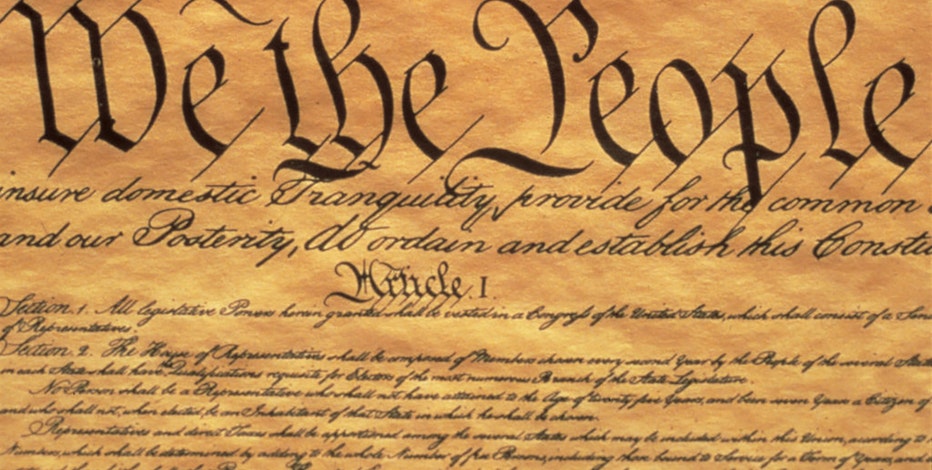
Majority of Americans don't know most First Amendment rights, survey finds
A majority of Americans cannot name most of the rights protected under the First Amendment, according to an annual Annenberg Public Policy Center survey.
The Free Exercise Clause affirms an individual's right to practice their religion as they want, as long as they don't hurt other people's rights by doing so. It ultimately keeps the government from stopping any religious practice that doesn't actively harm the public.
Together, these have long been considered a separation of church and state, with the consensus being that the Constitution prevents the government from interacting with religion except in secular cases.
What is the Religious Liberty Commission?
Dig deeper:
The RLC was created in 2025 by the Trump Administration, as a group tasked with studying religious freedom in the U.S. and intended to create the upcoming report on how to support it in the future.
The commission's key areas of focus include "parental rights in religious education, school choice, conscience protections, attacks on houses of worship, free speech for religious entities, and institutional autonomy."
Along with Patrick, Dr. Ben Carson serves as the vice chair, and the rest of the panel is made up of public advocates, clergy, legal experts, and members from different religious backgrounds.
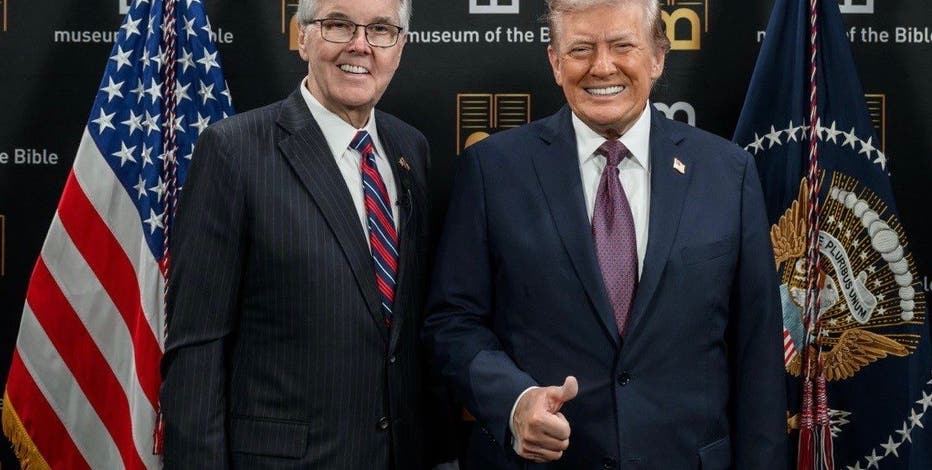
Trump's federal Religious Liberty Commission, led by Dan Patrick, sued over 'unfair bias'
A federal commission on securing "religious liberty" for U.S. citizens, established last year by President Donald Trump, has been sued by a group of interfaith leaders over alleged bias towards Christianity.
Earlier this year, the commission was sued by a group of interfaith leaders over alleged bias towards Christianity. They say the board, which is made up of 15 Christians and one Jewish member, cannot be effective in studying religion in the U.S. as a whole without better representation.
The Source: Information in this article comes from Dan Patrick, the U.S. Constitution, the ACLU and previous FOX Local coverage.