

North Texas school worries 'Parental Bill of Rights' will hurt mental health support
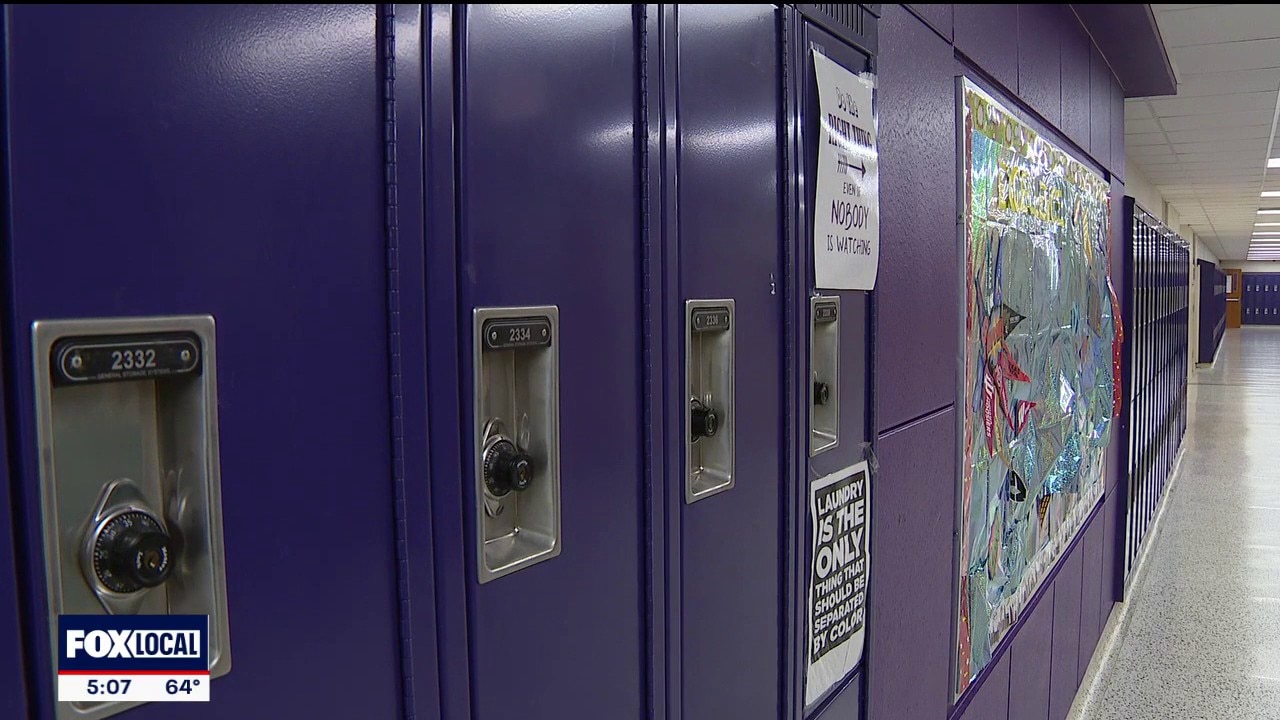
Texas Senate Bill 12 causes concern for at-risk students
Texas Senate Bill 12 was passed last year to give parents more authority on what their kids are exposed to in school, but some groups say the bill is having unintended consequences on at-risk youths. FOX 4's Shaun Rabb has more.
IRVING, Texas - A North Texas non-profit says new legislation that ultimately caused many school districts to drop outreach-type campus clubs could hurt "at-risk" students.
State lawmakers passed Senate Bill 12, known as the "Parental Bill of Rights," last session to give parents more authority over what their children are exposed to in public schools.
‘Parental Bill of Rights'
The new law has created the unintended consequence of keeping kids away from mental health care and substance prevention programs.
But when SB 12 passed, the message from lawmakers and conservative parental and advocacy groups was, "We don't want people talking about personal matters with our children without our knowing, even if the kids say it's beneficial."
What they're saying:
Jaylen Balderas and Justin Newsome say the non-profit Youth180 has helped them with life lessons outside the classroom. The Lamar Middle School students say it helped to "avoid things that could mess up your life," and that it had "a whole lot of encouraging, positive thoughts around it."
Featured

Texas Gov. Abbott says he will adopt 'Parental Bill of Rights' for education
During a campaign event Thursday Founder’s Academy in Lewisville, Governor Greg Abbott promised to adopt a so-called "Parental Bill of Rights." He claims it will make parents more involved in what their kids learn in school. But educators said it does nothing to help parents and plenty to hurt schools.
Youth180's goal is to teach teens how to talk through conflict, create coping skills and handle peer pressure.
According to Chad Newsome, a prevention specialist with the non-profit, their goal has always been to have a positive impact on the lives of students.
"We try to give kids a positive outlook on the world so that substance abuse and mental health don't become an issue in their lives," Newsome said.
The other side:
Supporters, however, like Matt Long, think SB 12 is necessary for parents to keep tabs on their students' surroundings.
"No counseling, screening, assessment or other mental health intervention test or examination should be done without parental consent," Long said.
Youth180
Effect differs from intent
The backstory:
In February last year, the legislature held hearings on SB 12, saying it would restrict how campus clubs operate and require all to have written advanced parental consent.
What they're saying:
"We have a consent form already that once we come in the schools, we get the consent form," Newsome said. "But what SB 12 did, it made consent have to be way before, and so the parents have to say, ‘Yes, I want my kid to be able to have a program like Youth180 in the school.’"
That's when many districts decided it would be safer to drop outside clubs and groups from working with students, to not find themselves in potentially controversial crosshairs of the legislation.
But Irving ISD's Lamar Middle School Principal Eric Ogle says the program provided what the district can't.
"All of that social emotional well-being, and making sure that they feel safe, that they feel like they belong in a school, we're stretched pretty thin to be able to meet everybody's needs," Ogle said,
Lamar Middle School sign
A.D. Jenkins, Irving ISD school board president, tends to agree.
"It adds tremendous value," said Jenkins. "Today you have lots of kids with mental issues and other challenges that really just need someone else besides their parents to come and talk to them and share their emotions and thoughts."
Newsome, the prevention specialist for Youth180, hopes other districts in the state turn around and put the non-profit back in schools, adding that parents and politicians should see that kids sometimes need something and someone other than their parents for support.
The Source: Information in this article comes from interviews conducted by FOX 4 staff.