

North Texas Oath Keepers founder Stewart Rhodes could have seditious conspiracy conviction dismissed
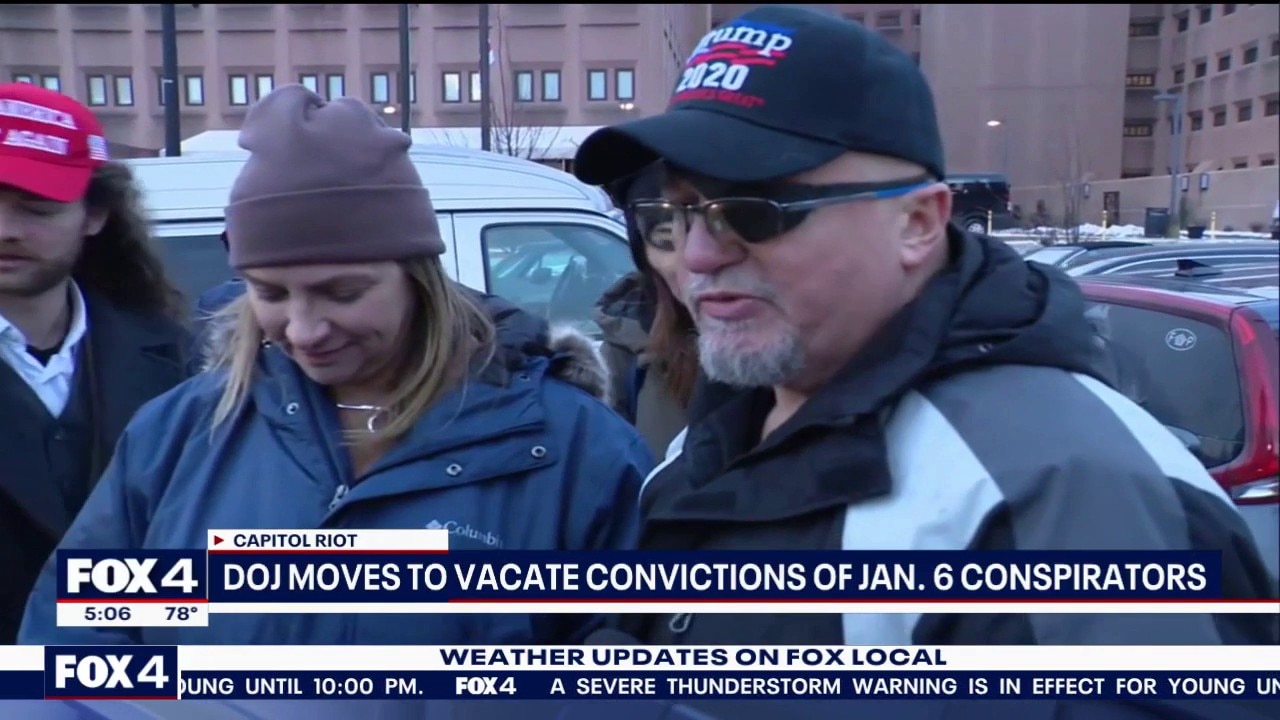
DOJ moves to dismiss Jan. 6 seditious conspiracy convictions
The Department of Justice filed to dismiss seditious conspiracy convictions for several people involved in the Jan. 6, 2021 attack on the U.S. Capitol, including one who was seen at last month's No Kings protest in Dallas. FOX 4's Steven Dial has more.
DALLAS - The Department of Justice has filed to dismiss the seditious conspiracy convictions for several people involved in the Jan. 6, 2021, attack on the U.S. Capitol.
President Donald Trump has already commuted the sentences for many of these individuals, including Oath Keepers founder Stewart Rhodes, who lives in North Texas.
The latest move is seen as a way to wipe their slate clean.
Stewart Rhodes Convicted
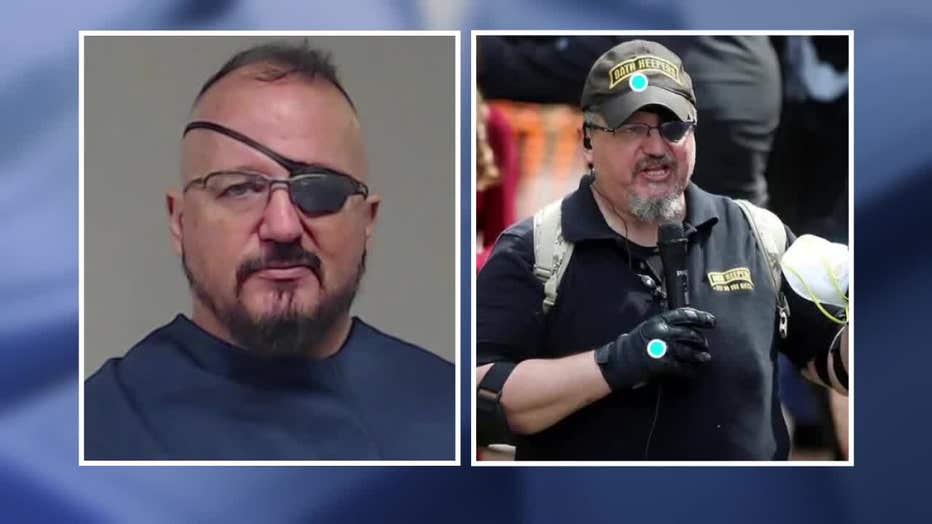
The backstory:
In 2023, Rhodes was sentenced to 18 years in prison for his role in a conspiracy to stop the certification of the 2020 presidential election.
Rhodes and his followers traveled to Washington, D.C., and stockpiled weapons at hotels in Virginia ahead of the violence at the Capitol.
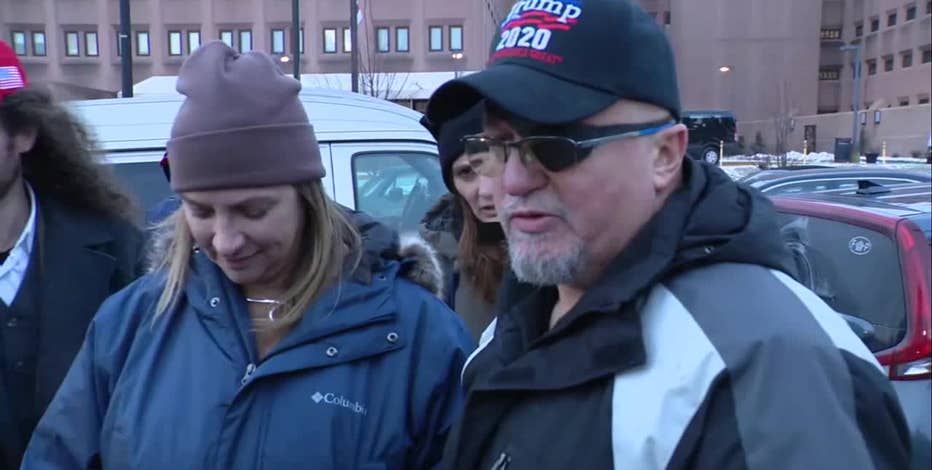
Oath Keepers founder Stewart Rhodes among North Texans released from prison after Jan 6 pardons
The highest-profile defendant of the Capitol riot from North Texas left prison after President Donald Trump granted clemency to hundreds of January 6 defendants.
What's new:
FOX 4’s cameras spotted Rhodes in Downtown Dallas a few weeks ago during a counter-protest to a "No Kings" rally.
When President Trump returned to office, he freed Rhodes and 11 others from prison. But their felony conviction remains on their record.
The Department of Justice is now working to vacate those convictions.
In the filing, the U.S. Attorney’s Office said in the executive branch’s view, "it is not in the interest of justice to continue to prosecute this case or the cases of other similarly situated defendants."
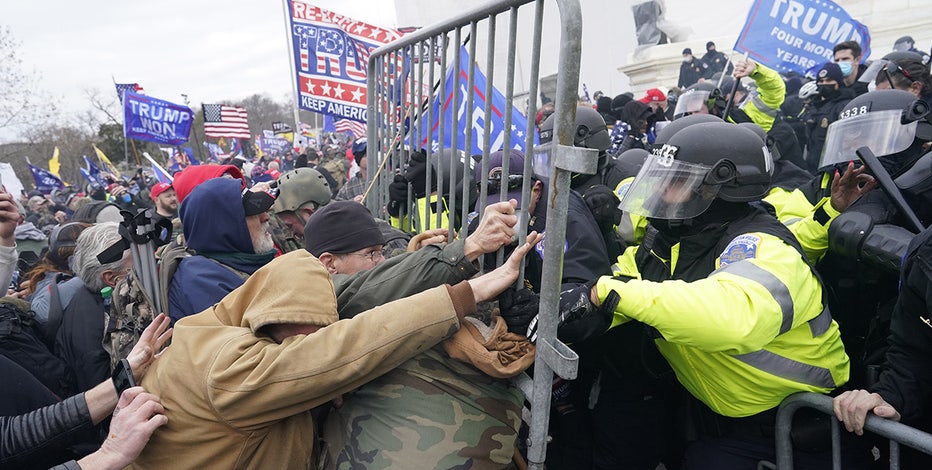
Justice Dept. urges court to toss out convictions of Proud Boys, Oath Keepers in Jan. 6 attacks
The U.S. Department of Justice wants an appellate court to throw out the convictions of Proud Boys and Oath Keepers leaders who were found guilty of seditious conspiracy in connection with the January 6, 2021, attack on the U.S. Capitol by supporters of President Donald Trump.
Seditious Conspiracy Dismissal
Big picture view:
Former federal prosecutor John Helms talked to FOX 4 about the move and what happens next.
"Those people were appealing their convictions. What this filing yesterday does, it asks the court of appeals to vacate the appeal, send it back to the trial court where the Justice Department will ask them to dismiss the indictment. The results of that, the conviction is wiped out," he said.
Helms said this type of paperwork to vacate a sentence is not common.
"Normally, that happens in rare situations where there is new evidence that shows the person is not guilty. It’s very rare. It’s not something that happens very often," he said.
The former federal prosecutor said the court of appeals still has to agree to this and then it will go back to a lower court. If the courts approve, Rhodes and others will have their right to own a gun restored, among other things.
The Source: FOX 4's Steven Dial gathered information for this story from the filings, past news coverage, and an interview with former federal prosecutor John Helms.