

Officials confirm 5 cases of New World screwworm in Texas
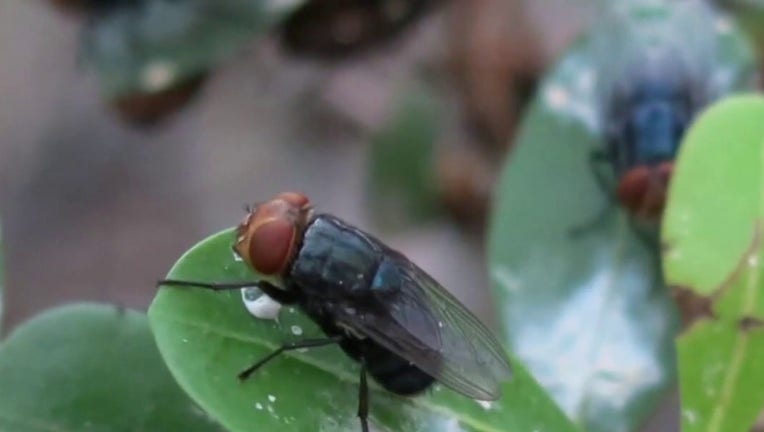
Federal officials have confirmed a total of five cases of New World screwworm in Texas as of June 10, 2026.
New World Screwworm in Texas
The Latest:
The U.S. Department of Agriculture confirmed June 9 that a calf in La Salle County tested positive for New World screwworm. Officials also confirmed a case involving a goat in Gillespie County on June 8.
The new detections come days after Texas officials announced the state's first confirmed cases of the flesh-eating parasite in Zavala County.
According to the Texas Parks and Wildlife Department, the first case was identified June 3 in a three-week-old calf with an umbilical lesion. A second Zavala County case involving a 30-day-old calf with a similar lesion was confirmed June 5.
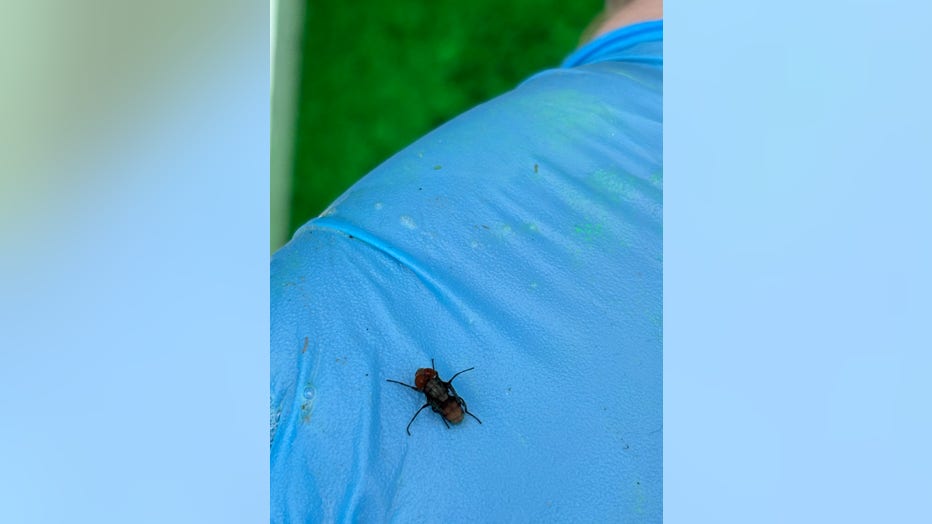
NWS Recently Hatched (Source: Texas Parks and Wildlife)
Officials initially reported an additional case involving a dog in Andrews County on June 8. However, after further epidemiological investigation, authorities determined the animal lives in Lea County, New Mexico, and the case was reclassified as New Mexico's first confirmed New World screwworm infection.
The veterinarian who submitted samples from the dog is based in Texas, officials said. Early reports indicated the dog had recently traveled to Mexico.
State and federal officials said epidemiological investigations remain ongoing for recent detections.
The Texas Parks and Wildlife Department said updates will be provided as additional cases are confirmed. The agency has established a public information page and said situation reports will be updated daily when new detections occur.
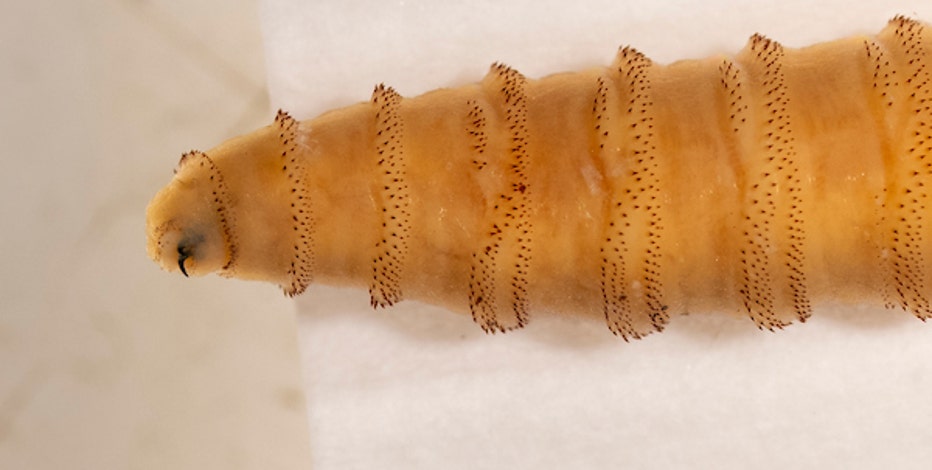
Texas scales up emergency response to combat destructive New World screwworm
Gov. Greg Abbott on Monday activated the Texas State Emergency Operations Center to support the state’s response to a reemergence of the New World screwworm, a destructive livestock pest the state previously eradicated decades ago.
What is New World Screwworm?
The New World screwworm is a parasitic fly whose larvae feed on the living tissue of warm-blooded animals, posing a significant threat to livestock, wildlife and, in rare cases, humans.
Officials advised livestock owners and veterinarians to remain vigilant and report suspected infestations to the appropriate authorities. The Texas Animal Health Commission is handling livestock-related cases, while the Texas Department of State Health Services oversees human infestation reports.
Identifying the New World screwworm
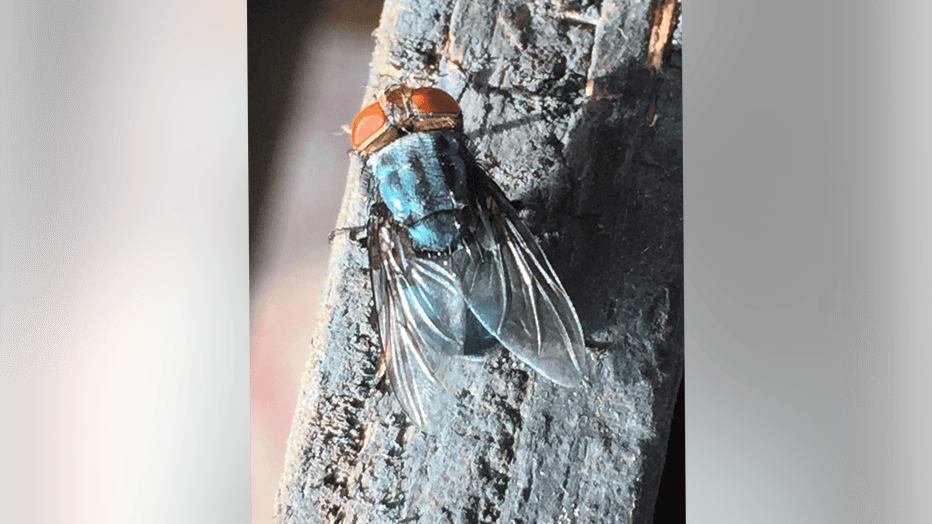
An adult fly. Photo by USDA.
The New World screwworm fly looks similar to other flies. It can be identified through its large orange eyes, yellow face, metallic blue body, and three stripes along its back.
Are humans at risk?
Though the risk to the public remains low, people can sometimes get an NWS infestation if they visit areas where the fly is present, such as Mexico, Central America or parts of South America and the Caribbean. People who do the following in areas with NWS might be at greater risk for infestation:
- People who sleep outdoors during the day (unhoused, campers)
- People who primarily work outdoors
- Ranchers and those who work with animals
- People with an open wound
- Those with diabetes or other skin conditions
DSHS urges people to take precautions by following these steps to prevent NWS infestation:
- Keep open wounds clean and covered
- Sleep indoors or in screened shelters, and keep window screens in good repair
- Wear loose-fitting, long-sleeved shirts and pants to prevent scrapes and insect bites
- Use an EPA-registered insect repellent to prevent insect bites
- Treat clothing and gear with products containing 0.5% permethrin, which is an insecticide and repellant.
People who see or feel larvae in or on their wounds should immediately contact their healthcare provider. If you think you might have been exposed to C. hominivorax or think you might have an NWS infestation, contact your healthcare provider.
The Source: Information in this article is from Texas Parks and Wildlife and the Texas Department of State Health Services.