

NASA wants to light the first fire on the moon. Here's why
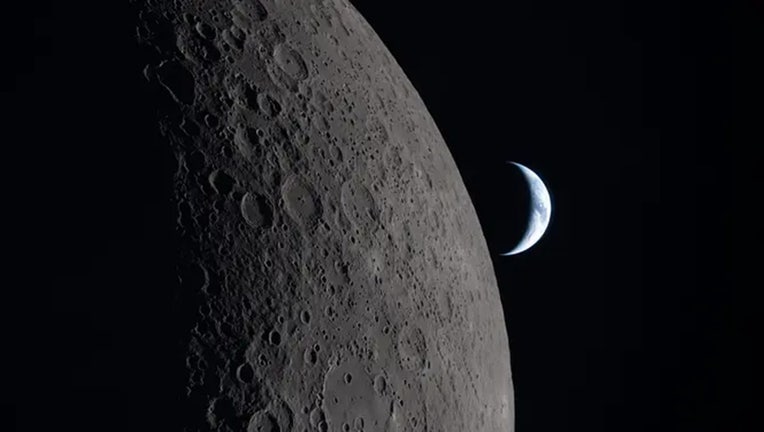
Images from Artemis II mission. (NASA Johnson National Space Center / FOX Weather)
NASA is preparing to do something that has never been done before — light a fire on the moon.
MEET RISE, THE BELOVED ARTEMIS II MASCOT THAT TRAVELED TO THE MOON AND BACK
NASA plans to ignite a controlled fire on the moon as part of an experiment to better understand how flames behave during emergencies on future crewed missions.
This will mark the first time in history that combustion experiments have been conducted on the moon.
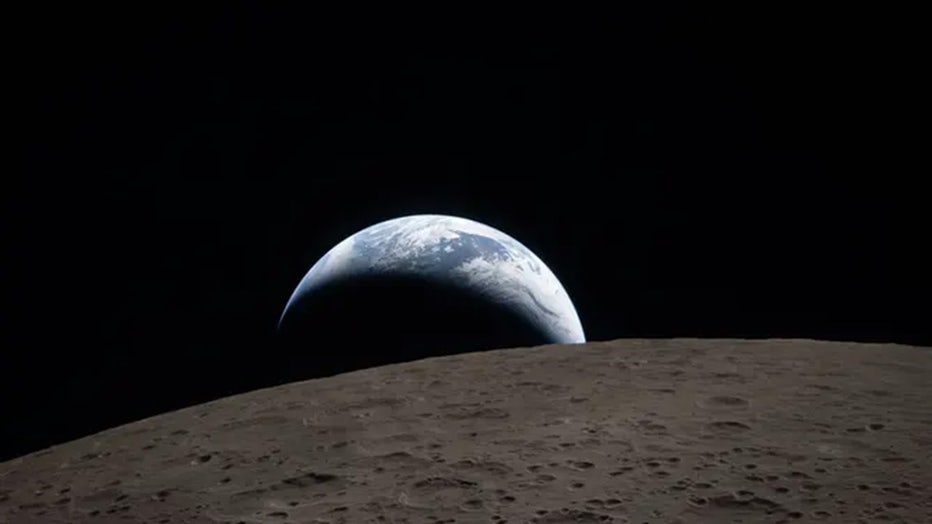
Artemis II crew captures the first photo from the far side of the Moon.(NASA)
Researchers say the experiment is critical as NASA works toward establishing a long-term human presence on the moon through its Artemis program.
Past research has shown that some materials considered safe on Earth may actually be more likely to burn in reduced gravity.
NASA ANNOUNCES ARTEMIS III ASTRONAUTS IN NEXT PHASE OF MISSION TO RETURN HUMANS TO THE MOON
NASA currently tests space materials on Earth before approving them for flight. However, scientists have discovered that those tests don't always reflect how flames behave in space or on the moon.
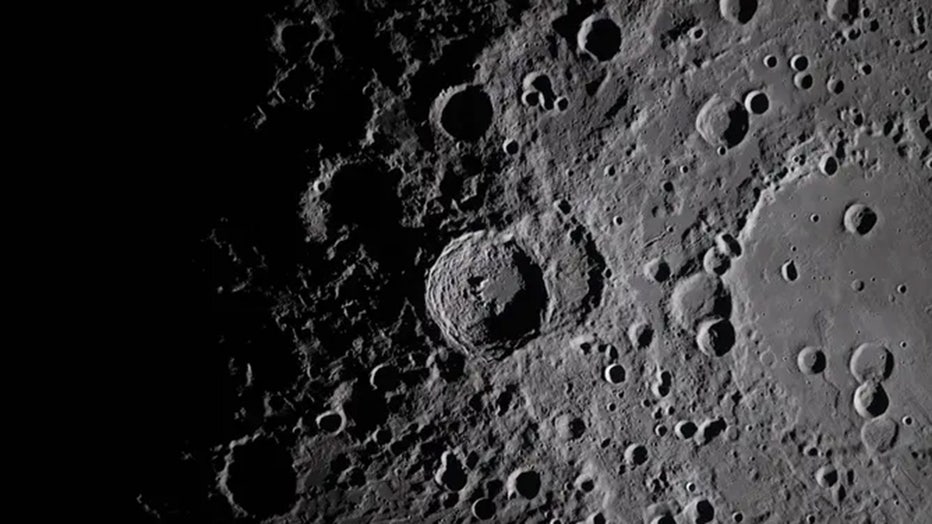
Images from Artemis II mission show the Moon. (NASA Johnson National Space Center / FOX Weather)
On Earth, hot gases from a fire rise quickly, drawing oxygen into the flame. In some cases, the speed of the air entering the flame can be so high that the chemical reactions are unable to keep pace.
This can cause the flame to become destabilized, a phenomenon commonly known as blow off.
NASA'S NEW NANCY GRACE ROMAN SPACE TELESCOPE SET TO LAUNCH MONTHS AHEAD OF SCHEDULE
On the moon, airflow is much weaker, allowing flames to spread differently and, in some cases, making certain materials easier to ignite.
Researchers said future missions could face a greater fire risk because astronauts are expected to live in environments with lower atmospheric pressure and higher oxygen concentrations. Those conditions could increase the flammability of some materials.
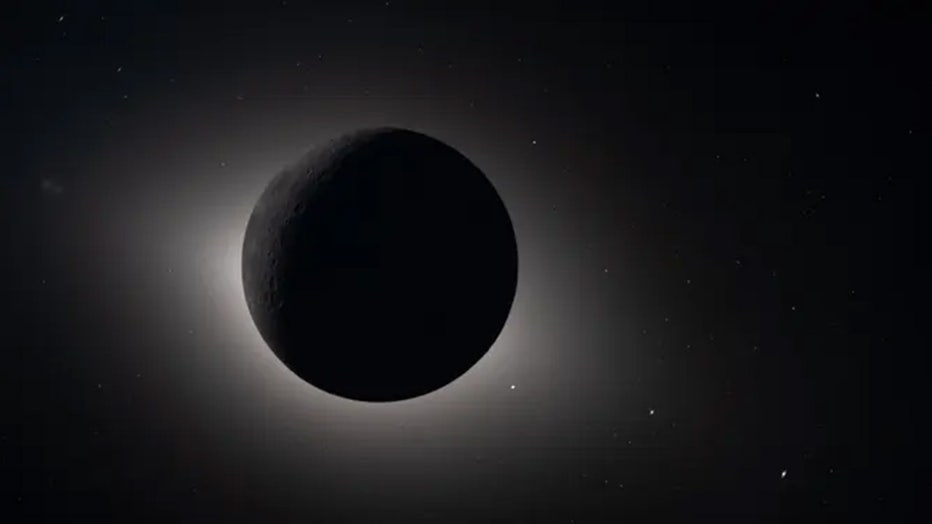
Captured by the Artemis II crew during their lunar flyby on April 6, 2026, this image shows the Moon fully eclipsing the Sun. (NASA / NASA)
To conduct the experiment, NASA plans to test four solid fuel samples inside a sealed combustion chamber.
Each sample will burn while researchers observe how the flames spread. The team will also measure temperature, heat radiation and oxygen levels.
SCIENTISTS DISCOVER NEW METHOD OF DEFENSE AGAINST SOLAR STORMS TO HELP PROTECT EARTH
Scientists hope the results will confirm which materials are more flammable in lunar gravity while also providing a better understanding of how flames develop.
The findings could lead NASA to update the standards it uses to certify materials for spacecraft and future missions.
NASA STARTS PREPARATIONS FOR ARTEMIS III MISSION WITH SPACE LAUNCH SYSTEM ROLLOUT
The experiment is expected to provide the first observations of fire in lunar gravity, leading to safer conditions for astronauts on future missions to the moon and, eventually, Mars.