

As DFW drone deliveries soar, can companies ensure safety?

Can drone delivery companies ensure safety in DFW?
The Dallas-Fort Worth region is emerging as a major center for drone delivery, with companies like Zipline expanding operations while the FAA investigates recent safety incidents involving rival companies.
DALLAS - The Dallas-Fort Worth region is quickly becoming the epicenter for deliveries by drone.
With two recent drone delivery incidents, one in Phoenix and one in Waco, we wanted to know what is being done to ensure safety with so many autonomous aircraft overheads.
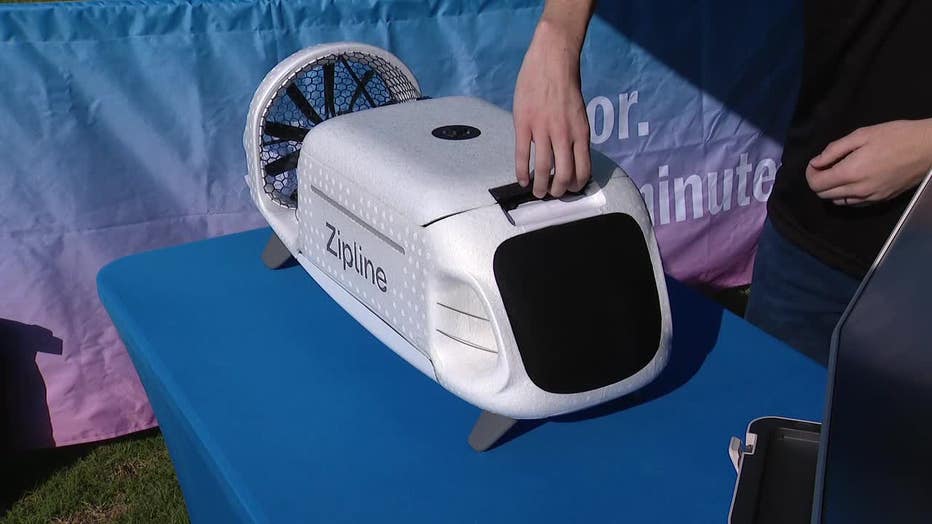
Drone Delivery Takes Off in North Texas
What we know:
There are now tens of thousands of people in 19 cities here in DFW receiving deliveries by Zipline's autonomous aircraft, while a couple of incidents with other drone companies have recently prompted investigations by the FAA.
Zipline released a new video to help illustrate what precautions are in place.
Since April, Zipline has done this more than 100,000 times in 19 North Texas cities.
The drone descends at around 300 feet during the delivery before releasing the zip.
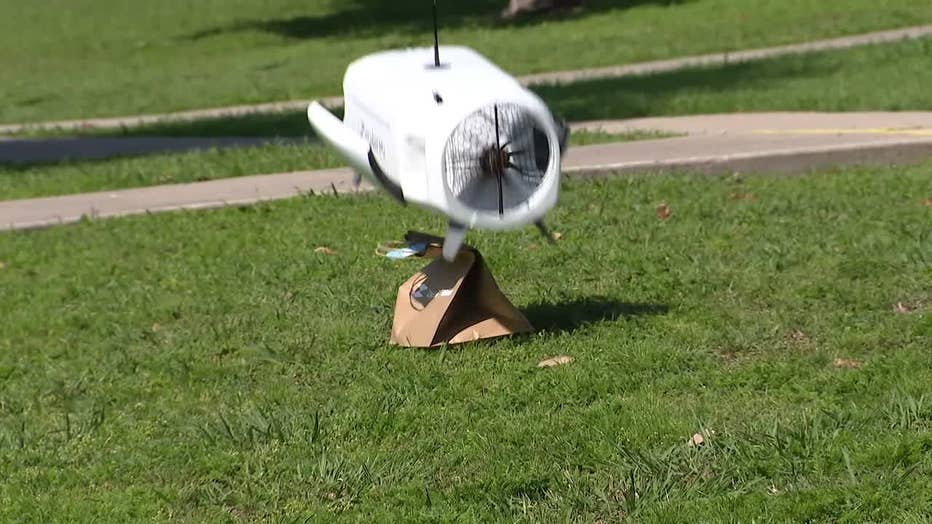
Why DFW is a "Key Site" for Drone Services
What they're saying:
Conner Wilkinson, the Head of Customer Experience for Zipline, says the Dallas region has everything from great weather to the right regulations to create an epicenter for drone delivery.
"There is a huge demand, and the system works. Rural or urban, we are able to deliver to those tight places," said Wilkinson.
"This is an FAA key site that allows multiple partners to operate in the same space, a key spot for the country to launch this type of service."
Eric Watson was part of the team that designed Zipline's unique system used by Walmart.
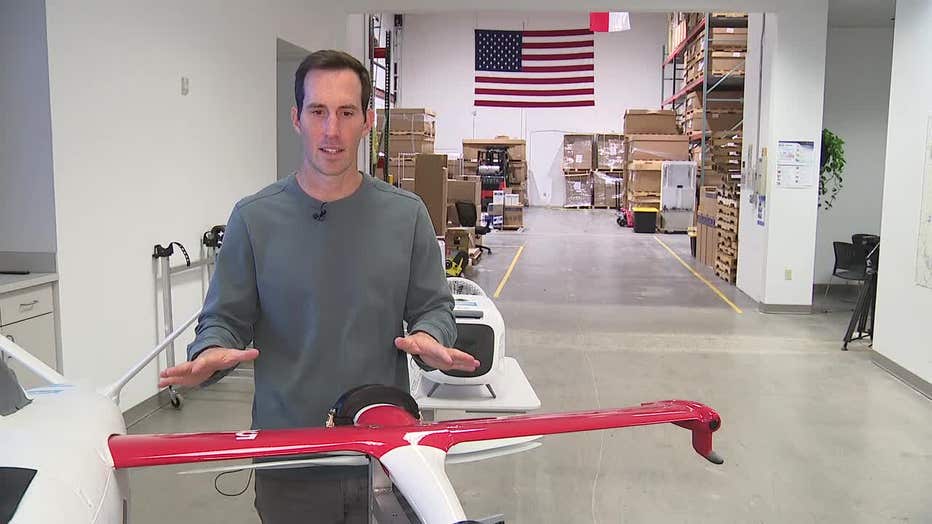
Eric Watson
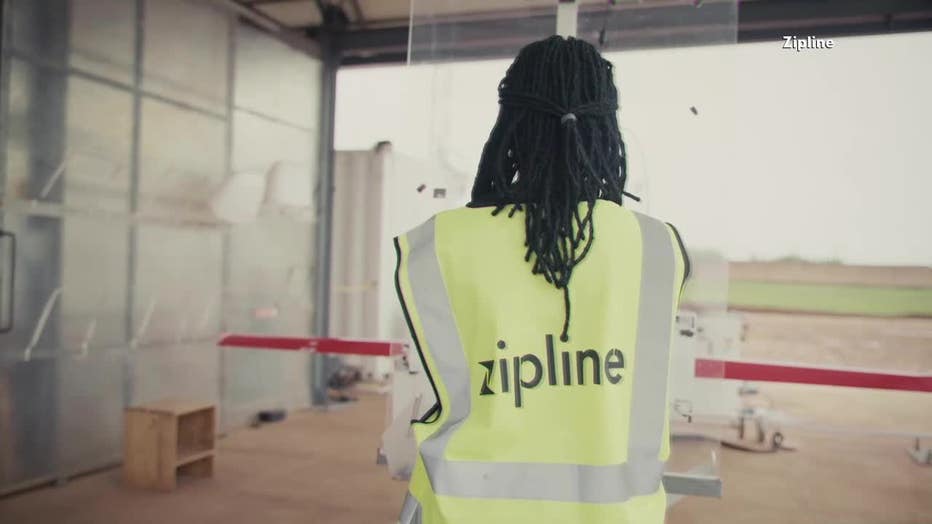
"This is our Dallas metroplex headquarters. This is where we do maintenance training and support engineering," said Watson. "We designed this from the ground up for consumer delivery in suburban and urban in all different weather conditions."
Zipline touts a clean safety record with over 120 million autonomous miles.
"That is the equivalent of driving every road in the U.S. 28 times. For context, in the U.S. for every 120 million miles there are 600 car crashes, 100 injuries and 1 fatality," said Watson.
But last month Amazon's MK30 drone got caught in an internet cable line in Waco, prompting an investigation by the FAA. And in October, two Amazon Prime air drones collided with a construction crane in a city west of Phoenix.
A Safety Backup
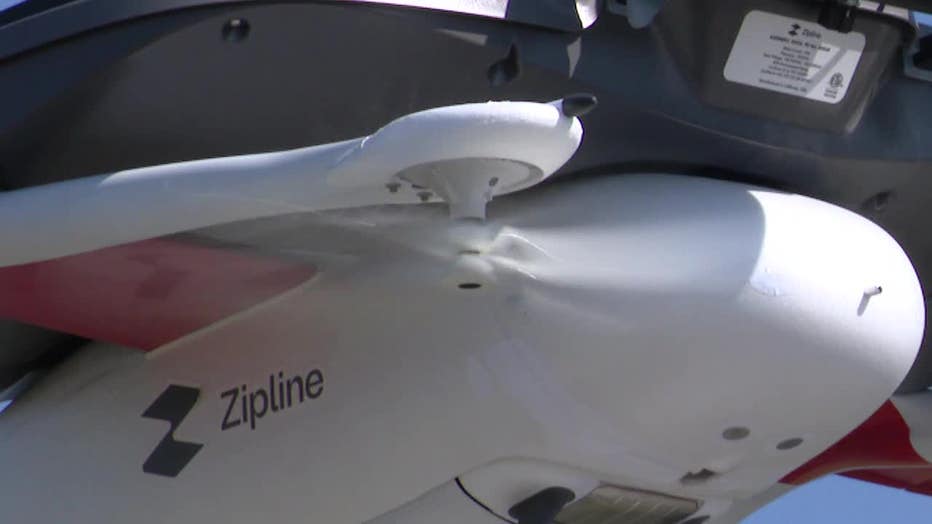
Dig deeper:
One of the extra precautions Zipline has taken is having a backup to the backups. In each of the aircraft sits a parachute beneath a foam cap.
"We've spent over 1 million engineering hours on testing and safety improvements of this aircraft alone," Watson said.
On Tuesday, Zipline showed us video of what would happen if the drone or trained professional determined the best course is to clear the airspace.
"The parachute will deploy, and the aircraft will descend to the ground," said Watson. "You can see the aircraft descend to the ground by emitting an audible alert, you can see it coming down to impact the ground and a professional is notified to retrieve the aircraft."
Now delivering up to 8-pound packages up to five miles away. Watson is confident they will continue to have the strong safety record they wanted when the company first began delivering medical supplies to Rwanda in 2016.
"We felt like we were changing the way people interact with products. Having it come into reality has really been fulfilling," he said.
What's next:
Zipline says it makes 1,000 deliveries in DFW every day, and the company is continuing to expand. Walmart is not yet charging customers for the service.
The Source: Information in this article was provided by FOX 4's Lori Brown.