

Dallas County death row inmate's cousin now claims he committed 2008 murders
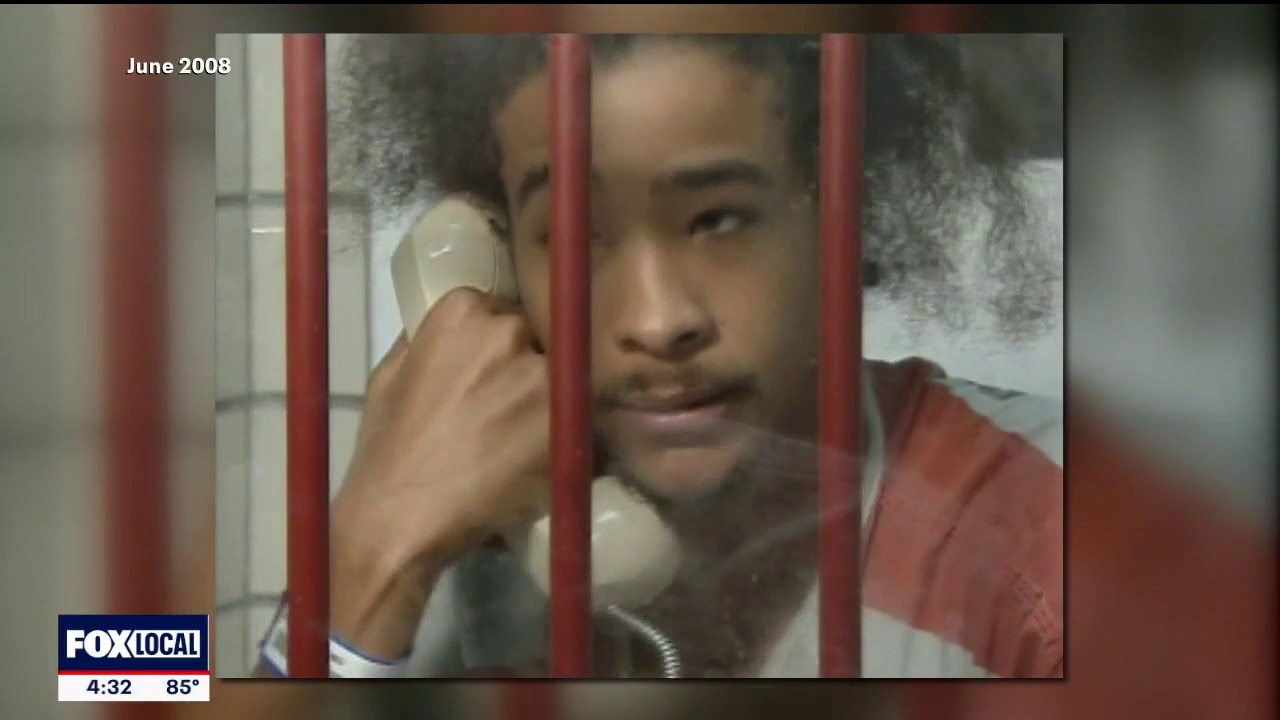
Death row inmate's cousin claims he committed 2008 murders
A month before a death row inmate is scheduled to be executed for his role in a double murder case from 2008, his cousin has come forth and claimed he fired the deadly shots, undermining the State of Texas' case for the death sentence. FOX 4's Shaun Rabb followed this story in 2008 and brings you the latest now.
DALLAS - James Broadnax and Demarius Cummings were convicted of a heinous double murder in Garland in 2008.
Now, Broadnax is a month away from his execution, and Cummings is making claims that could have life or death consequences.
Upcoming Execution
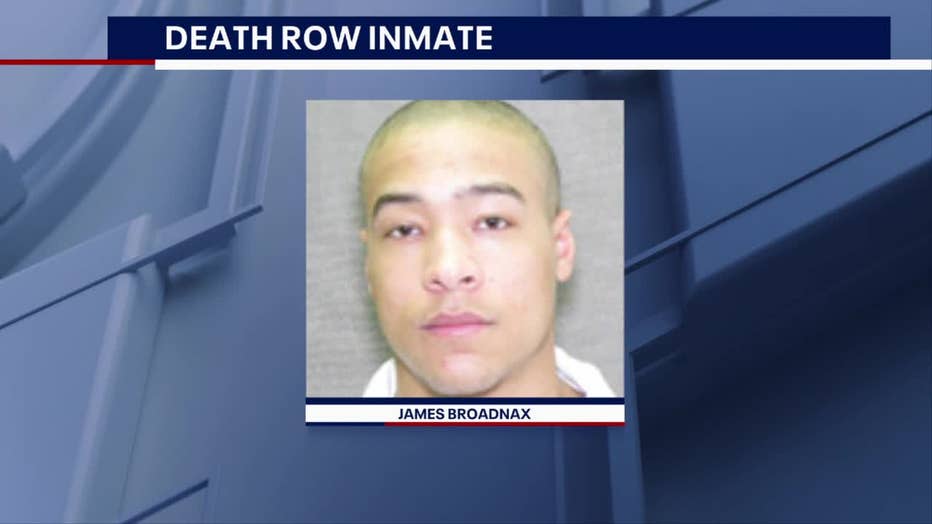
James Broadnax's most recent mugshot (TDCJ)
What's new:
Broadnax, who is set to be executed on April 13th, has a team of attorneys in Dallas, Washington, D.C., and New York who are all working to save his life.
In new court filings, those attorneys argue that a confession from his co-defendant cousin is new evidence that undermines the state’s case for his conviction and death sentence.
Dig deeper:
Cummings now claims that he was the one who shot and killed the two victims, not Broadnax.
In his declaration, Cummings said both he and Broadnax were high on PCP and marijuana at the time of the crime.
He already had a criminal record, and Broadnax did not. So, he said he convinced his cousin to take the fall, believing he would get a lighter sentence.
"Later, we both gave statements to the media. In James’ statement, he said that he had participated in the robberies and shot the two victims, while in my statements I said that while I had participated in the robberies, James had shot the two victims," Cummings’ declaration states.
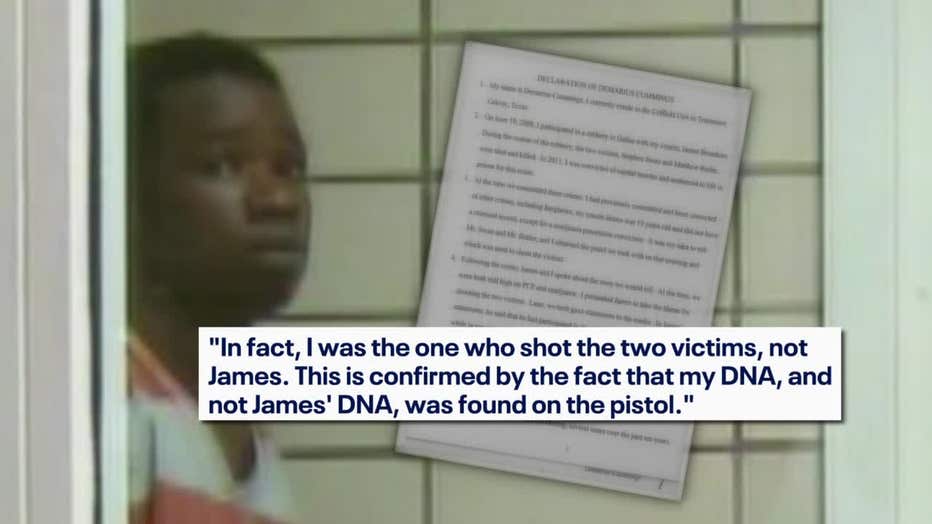
Cummings said those statements to the media were not accurate.
"In fact, I was the one who shot the two victims, not James. This is confirmed by the fact that my DNA and not James’ DNA was found on the pistol," he wrote. "The fact that James received the death sentence for these crimes while I was the one who shot the victims has been weighing on my conscience, particularly as I have become more spiritual during my years in prison."
Garland Studio Murders
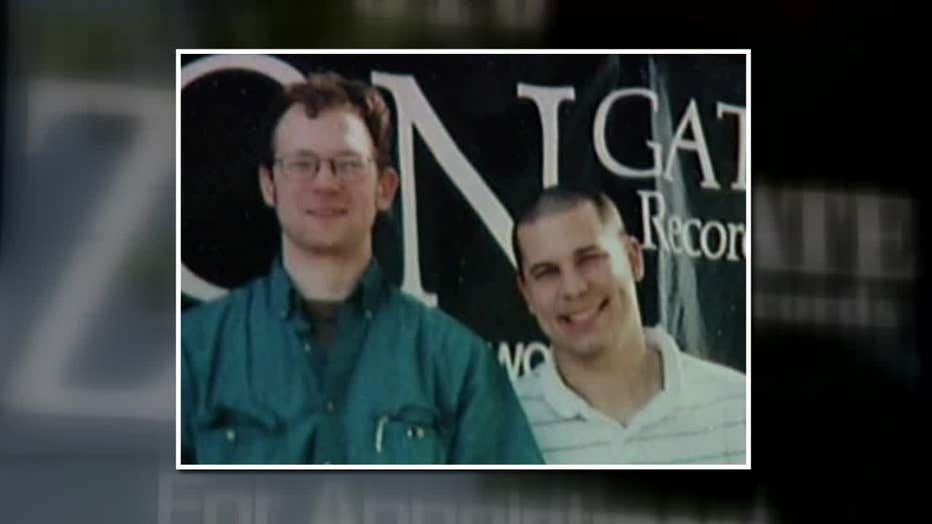
The backstory:
The 2008 robbery and double murder shocked North Texas.
Stephen Swan and Matthew Butler were shot and killed outside a Garland Christian music recording studio.
Broadnax and Cummings, who were both 19 at the time, got away with only $2.
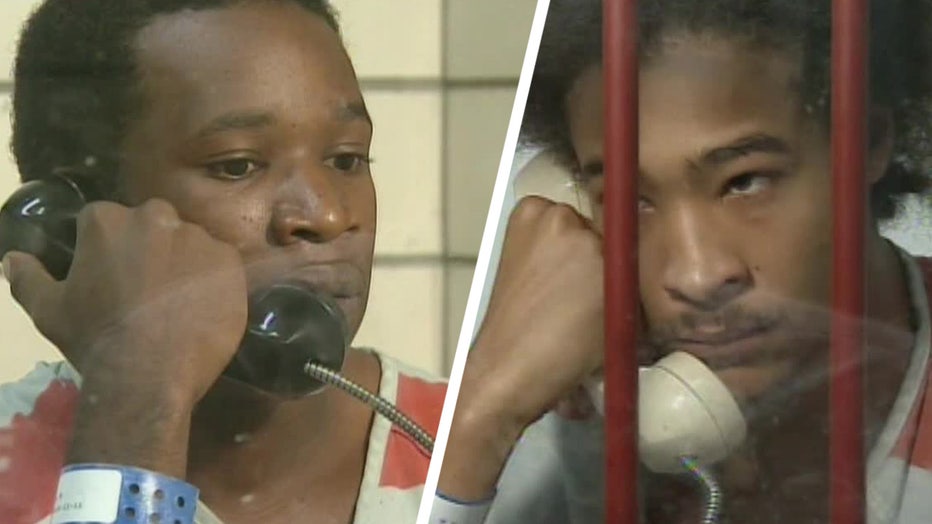
After they were arrested and charged with capital murder, FOX 4’s Shaun Rabb interviewed both of them in jail.

Jailhouse interviews with James Broadnax & Demarius Cummings (2008)
This television story by reporter Shaun Rabb originally aired on FOX 4 in 2008. It features suspects James Broadnax and Demarius Cummings in jailhouse interviews before they were convicted of murdering two men outside a Garland Christian music recording studio.
Cummings showed remorse for the violent crime, adding that he did not kill anyone. Broadnax shared his side of the story in an expletive-laced conversation, saying he kind of regretted what he did.
Broadnax was later convicted and sentenced to death. His execution is set for next month.
Cummings received life without parole.
What Happens Next?
Big picture view:
Attorneys for Broadnax have filed another application for what is called a post-conviction writ of habeas corpus seeking relief from his conviction and death sentence.
"Under Texas law, there are very strict rules about filing multiple habeas applications. You have to meet exceptions to file a second, third, or in this case, a fourth application," said Brett Ordiway.
Ordiway is one of only 133 board-certified criminal appellate law attorneys in Texas. He is not involved in this case but knows it well.
"One of those exceptions is based on previously unavailable evidence, and that is primarily what they are citing here. And they are pointing to most prominently a declaration from a co-defendant saying he is the one who actually pulled the trigger in this case. And then they are also pointing to some recently unearthed juror charts from the Dallas County District Attorney’s Office that they say supports that some jurors were struck for racial reasons," he said.
In the Broadnax trial, seven Black potential jurors were struck. The judge put one Black person back on the panel. The final makeup was 11 white jurors and one Black juror.
What's next:
The case will go before the Texas Court of Criminal Appeals. That nine-judge panel will decide whether the claims by Broadnax’s defense team satisfy the exception requirements and whether they have merit.
"So he’s really got to overcome both of those hurdles. If he does, the remedy will depend on which claim he wins out on. But it could be a new trial altogether, or it could merely be a new punishment hearing where the question for the jury would be will he be sentenced to death again or life without parole," Ordiway said.
The appeals court is expected to make its ruling before Broadnax’s April 13 execution date.
The Source: The information in this story comes from court records, attorneys for the two convicted murderers, legal experts, and news coverage from 2008.