

Arizona manslaughter sentencing vacated due to use of AI 'victim impact statement'
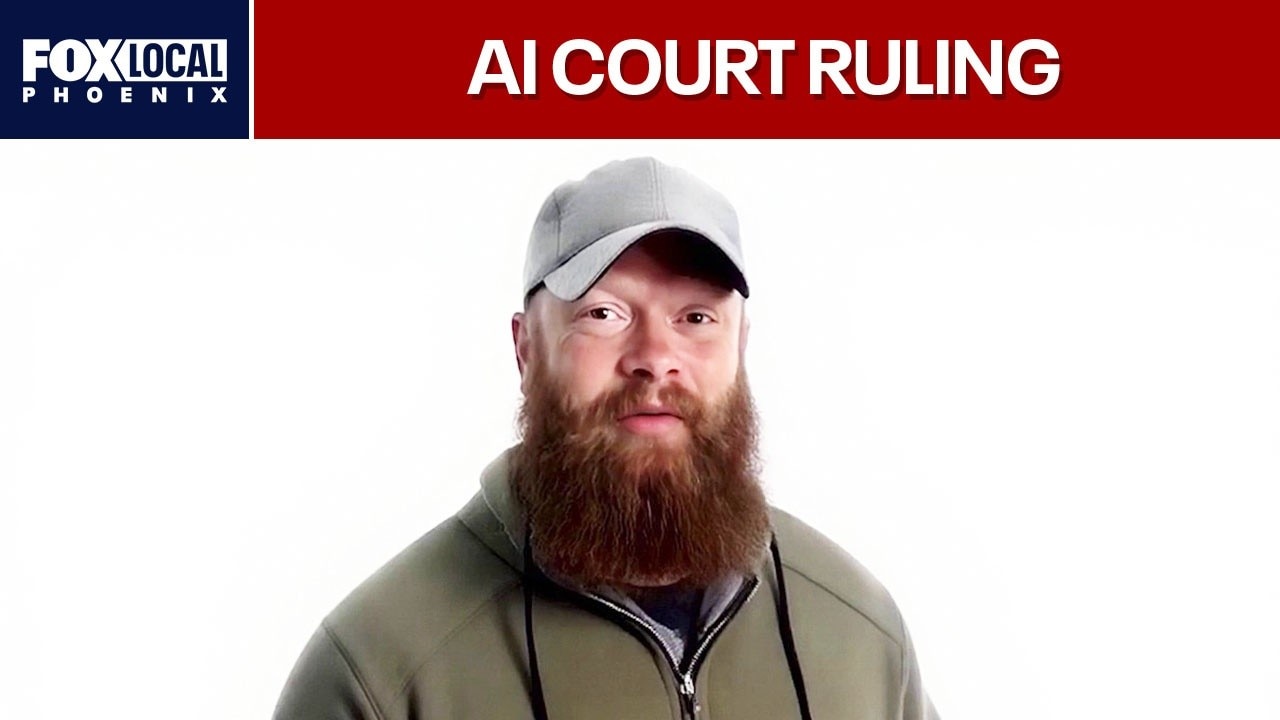
Court rejects AI video in sentencing
Chris Pelkey's sister says her family is prepared for a second sentencing after an appeals court rejected an AI video of her brother. FOX 10's Nicole Krasean has the latest.
PHOENIX - An artificial intelligence-generated statement played during a Maricopa County Superior Court hearing has led an appeals court to throw out a killer's sentence, ruling that the technology violated due process.
The backstory:
In May 2025, FOX 10 reported on the sentencing of Gabriel Paul Horcasitas who was found guilty of manslaughter in the shooting death of Christopher Pelkey back in 2021.
During a time in the trial where victim impact statements were given, an AI-generated video of Pelkey was played. The idea came to Pelkey's sister, Stacey Wales, as she collected victim impact statements and prepared her own.
"We received 49 letters that the judge was able to read before walking into sentencing that day. But there was one missing piece. There was one voice that was not in those letters," she said.
Wales later turned to her husband and their friend, who together have been working with AI tech for years.
"In another life, we probably could've been friends. I believe in forgiveness and in God who forgives. I always have, and I still do," said the AI representation of Pelkey.
"I love that AI. Thank you for that. I felt like that was genuine; that his obvious forgiveness of Mr. Horcasitas reflects the character I heard about today," Judge Todd Lang said in court.
Horcasitas was sentenced to 10.5 years in prison for manslaughter, and he appealed the case afterward.
Featured
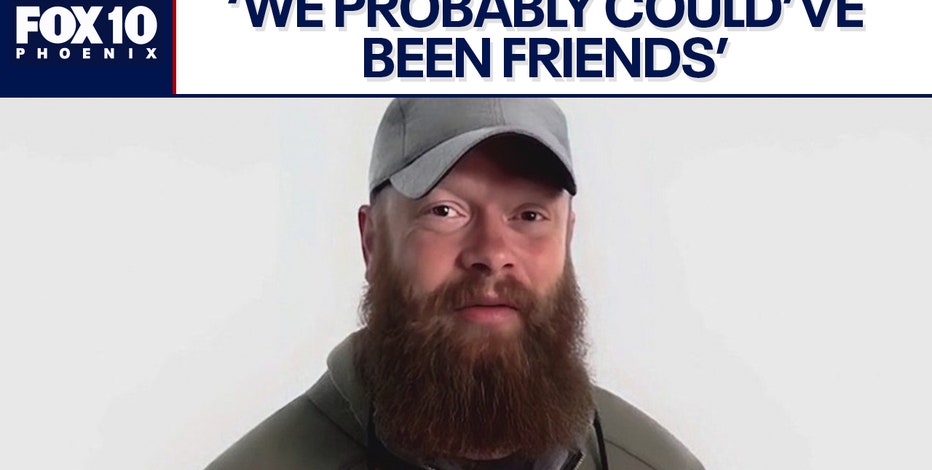
Arizona road rage victim speaks to killer through artificial intelligence
An Arizona man who was killed during a road-rage incident speaks in court from beyond the grave. FOX 10's Nicole Krasean has the details on how artificial intelligence was used during the victim impact statements.
What's New:
Per the ruling, Horcasitas argued that he was denied due process when the judge "heard and expressly relied on an AI-generated video that recreated the victim's appearance and voice," while prosecutors argued that the AI video was reliable because it "reflects what the victim's sister believed the victim would have said" had he spoke at the sentencing hearing, and that because the victim and Wales shared a close familial relationship, it allowed for "the reasonable inference that th sentiments conveyed by the AI victim were probably accurate."
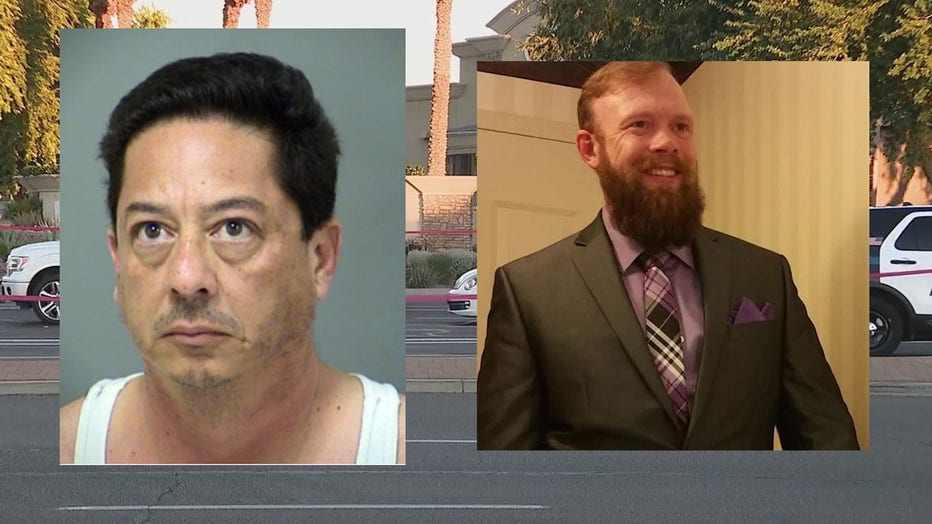
Gabriel Paul Horcasitas (left)
The appeals court ruled that the AI video in this case "erases the interpretive distance between the family's belief of what the victim would have said and the victim's own voice and opinions," as the video "presents a depiction of the victim and his thoughts created from the imaginings of the victim's sister."
"While the record does not reflect precisely how the AI video factored into the sentencing calculus, there is no question it played a role," read a portion of the ruling. "And on this record, the judge's consideration of the AI video so prejudiced Horcasitas as to render the sentencing procedure fundamentally unfair."
Family Reacts to the News:
"We were disappointed of course," Wales said in an interview with FOX 10 on Oct. 1.
She says her family is now prepared to go through a second sentencing hearing.
"The Arizona Victims Bill of Rights allows us the opportunity to speak in any manner and now the courts are revisiting that," Wales said. "Whatever their ruling shall be for us to attempt again, we'll follow that."
Wales maintains that the video was crafted directly from Pelkey's social media posts and writings. She emphasizes that it accurately conveys what he would have expressed to the man who took his life, even if the statement differed from her own personal words.
"About 40 people have reached out to me personally to say that's exactly what he would've said," Wales said. "I know Chris and he would've thought the same thing. Chris believed in love and in family and in people and in God and in forgiveness, and so that message is just something we want the judge to know about when he considers somebody that extinguished that life."
Nearly five years after losing Pelkey, the family says they understand the ongoing legal debates surrounding new mediums in judicial proceedings, but their focus remains on securing justice and keeping his memory alive.
"As much as we're not interested or excited about drudging everything back up again, we'd like to move forward. We will absolutely show up and speak for my brother," Wales said. "We know he would show up as well as fight for us and that's the least we can do."
Big picture view:
According to the Appeals Court ruling, "no Arizona case has addressed the admissibility of an AI-generated depiction of a victim offered as victim impact evidence."
What's next:
It's important to note that the appeals court ruling does not change the guilty verdict in the case.
While it brings all parties into a second sentencing process—reopening wounds the family has worked to heal over the past year and a half—Wales appreciates any opportunity to continue the conversation over the use of new media in legal settings.
Horcasitas will be remanded for re-sentencing, but the ruling did not mention when that'll happen.
The Source: Information for this article was gathered from a ruling issued by the Arizona Court of Appeals Division One on Sept. 30, 2026; Stacey Wales, sister of victim Chris Pelkey; Gabriel Horcasitas, defendant; and proceedings in Maricopa County Superior Court.