

Hurricane season starts today: Here’s what Texas should know
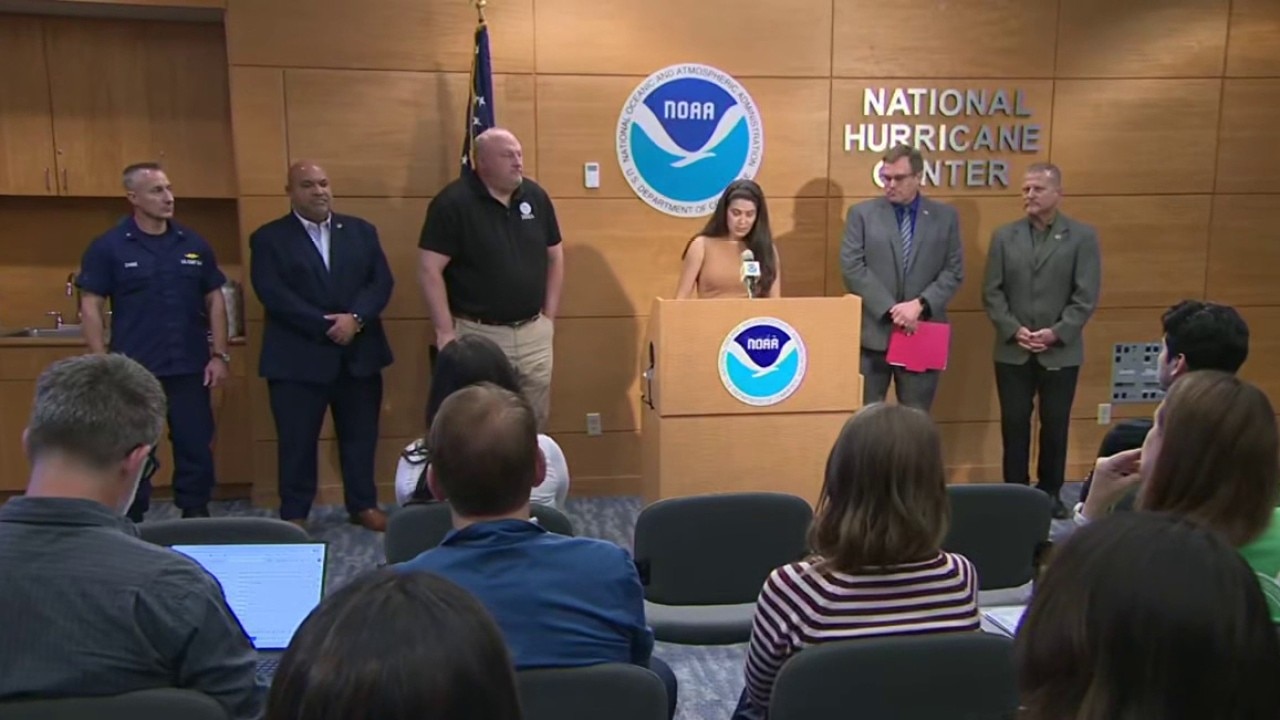
NOAA 2026 Hurricane Season begins June 1
June first is the start of a new hurricane season. This year, all eyes are on a potential super "El Nino" that's expected to suppress tropical activity into the heart of the season. NOAA comments on the upcoming season at a media day with its hurricane center.
Hurricane season has officially started, and now is the time to prepare for the possibility of a landfalling storm in Texas.
The Atlantic hurricane season runs from June 1 to Nov. 30. While that period represents when most hurricanes and tropical storms develop, those kinds of systems can occur anytime of the year.
Here’s what every Texan should know about hurricane season.
Official 2026 Atlantic Hurricane forecast released | Forecasting with Friends
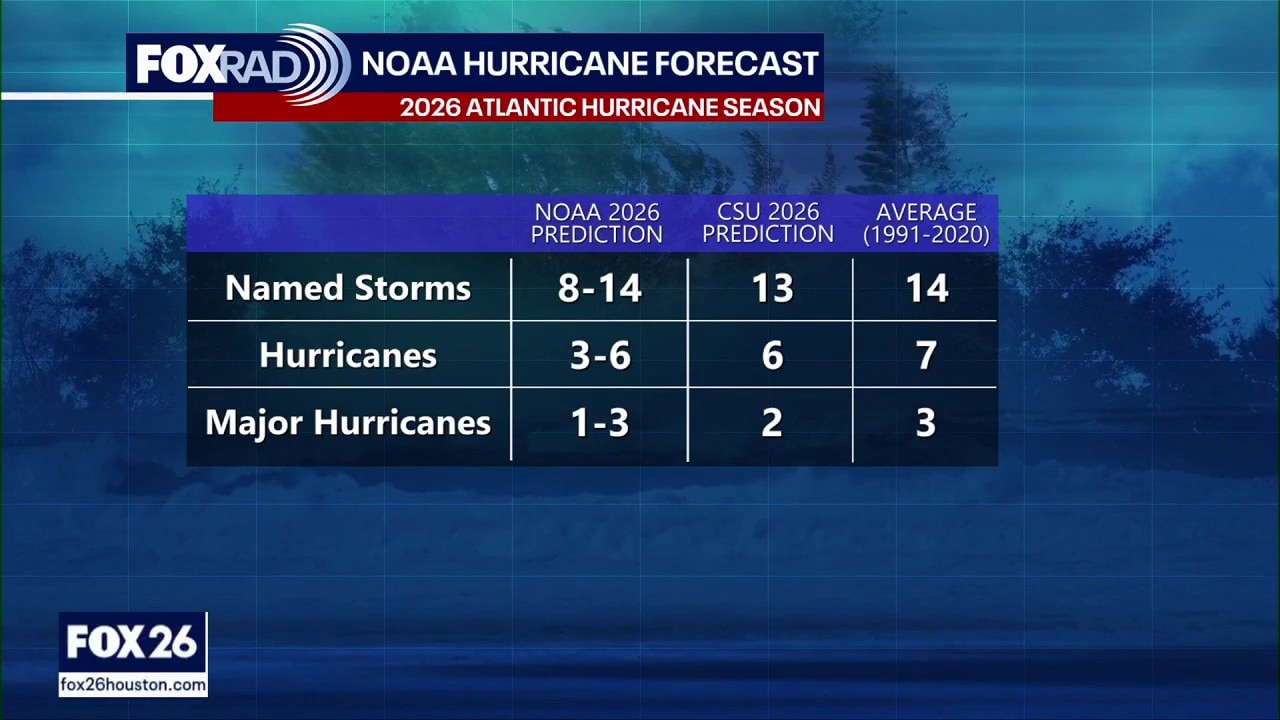
The National Oceanic and Atmospheric Administration (NOAA) is predicting a below-normal hurricane season for the Atlantic this year.
Will a hurricane hit Texas this year?
NOAA is predicting a below-average season, with eight to 14 named storms. Three to six of those are forecast to become hurricanes (winds of at least 74 mph), and between one and three are forecast to become major hurricanes (winds of at least 111 mph).
An average season sees about 14 named storms, about seven hurricanes and about three major hurricanes.
While NOAA’s forecast does not tell us where a storm will hit, researchers at Colorado State University said there is a 20% chance of a landfalling hurricane along the Gulf Coast, from the Florida Panhandle to Brownsville, Texas, this season. That’s below the average of 27%.
Officials remind Texans that it only takes one storm to bring life-threatening winds and flooding along with long-term power outages.
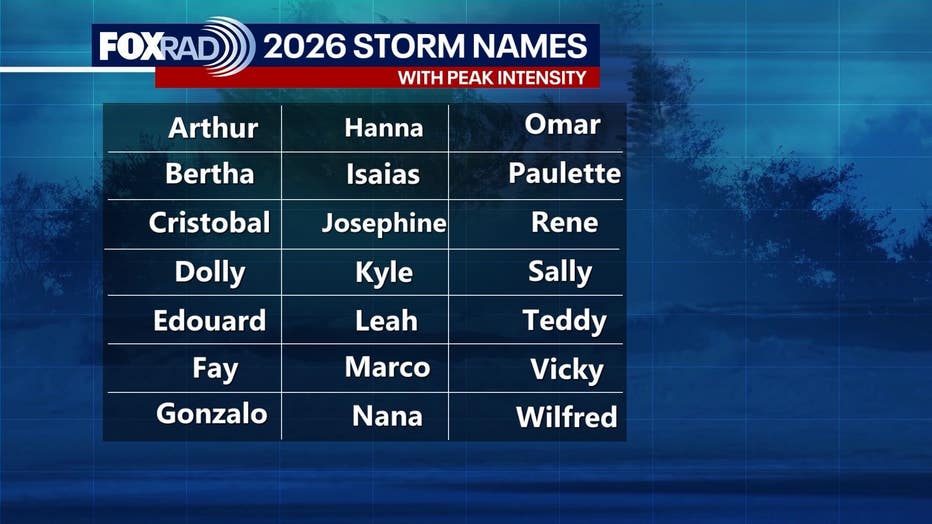
What are the storm names being used in 2026?
This year’s list of 21 names starts with Arthur, Bertha and Cristobal. It moves alphabetically and ends with Teddy, Vicky and Wilfred.
(FOX Local)
If that list is exhausted, a supplemental list of 21 names is used, starting with Adria and ending with Will.
How do I find my evacuation zone?
While evacuation zones and protocols are usually controlled by local governments, the Texas Department of Transportation maintains a map of evacuation routes in the state at txdot.gov.
You can contact your county or city emergency management department to determine your evacuation zone. Also, follow instructions from officials regarding if or when you should leave.
Experts also recommend you keep your vehicles fueled and prescriptions filled. People should also make special plans for older adults, people with disabilities or medical equipment and pets.
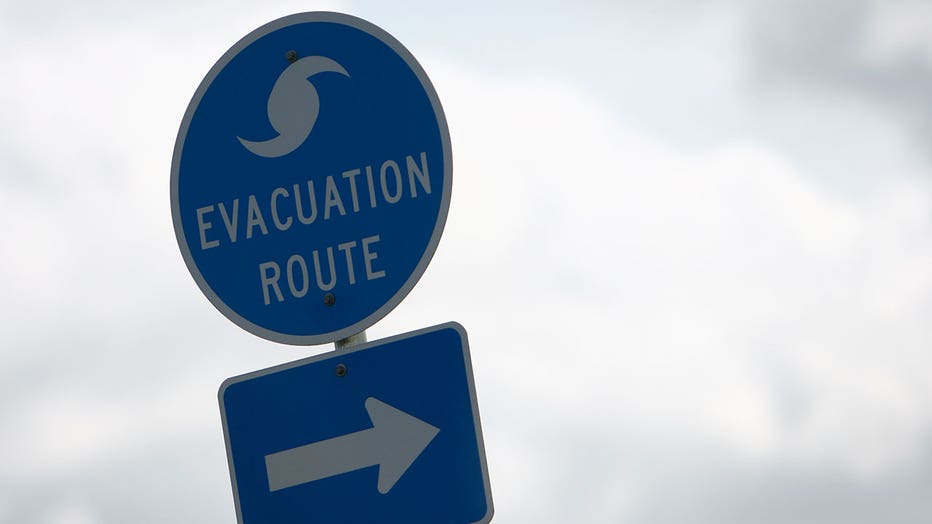
Hurricane evacuation sign on northbound I-45 in League City, Texas, in 2007. (Nick de la Torre/Houston Chronicle / Getty Images)
What should I put in my emergency supply kit?
The sooner you can build a supply kit the better. Once it becomes clear that a storm is headed to your area, stocks of everyday items may quickly dwindle.
According to Ready.gov, you should have enough supplies to last for at least three days.
Here are some things you should include in your kit:
- One gallon of water per person per day.
- Nonperishable food.
- Prescriptions and medications.
- First aid kit.
- Flashlights, batteries and phone chargers.
- Important documents in a waterproof bag.
- Cash.
- Pet food, crates and medications.
- Baby supplies.

Acebeam X25 Power Bank Flashlight | Hurricane Gear Test
FOX 26 Meteorologist John Dawson shows off the Acebeam X25 Power Bank Flashlight that could be useful in your hurricane kit.
Flooding kills more people during a hurricane than wind
While most people associate hurricanes with monstrous wind, the biggest threat with any landfalling storm is flooding – whether it be from storm surge or heavy rain.
Even inland Texas locales can see devastating impacts from a tropical system in the form of flooding rain, high winds and tornadoes.
Check your insurance now
The Texas Department of Insurance has urged residents to prepare their homes and property for the season now. They also encourage people to check their insurance policy to see whether their coverage is adequate.
Homeowners are also encouraged to take photos or videos of their home and belongings before a storm hits.
The Source: Information in this story came from the National Hurricane Center, Texas Department of Transportation, Federal Emergency Management Agency and Texas Department of Insurance.