

Texas has till 2027 to avoid owing feds $700M for SNAP errors
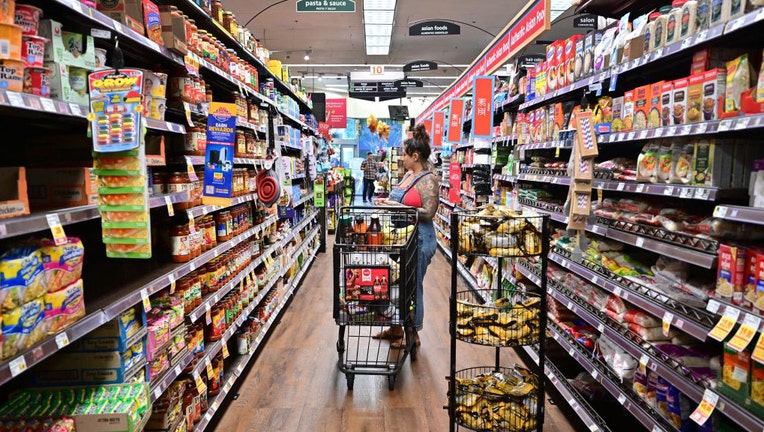
A woman shops for groceries at a supermarket in Monterey Park, California on October 19, 2022. (FREDERIC J. BROWN/AFP via Getty Images)
AUSTIN, Texas - Texas has until the end of 2027 to fix the errors in SNAP payments within the state, or risk being held accountable for a percentage of the entire federal program. If Texas were to be fined for the current level of error, the state would owe more than $700 million.
Other changes are projected to up the state's SNAP costs by millions more.
Changes to SNAP error fines
Texas Health and Human Services (THHS) officials reported to the Senate Health and Human Services Committee (SHHSC) Wednesday about the changes to the Supplemental Nutrition Assistance Program (SNAP) as the committee met to discuss fraud in welfare programs.
The presentation given by THHS covered many updates and statistics related to the state, but the most pressing was the one that would put Texas on the hook for a chunk of the national SNAP bill if errors aren't reduced.
The way it works is that a certain number of errors increases the amount of federal SNAP spending owed by the state in question. Texas currently has an error rate of just under 9% of SNAP payments. When the change takes effect in October 2027, that rate would make the state liable for 10% of the federal SNAP cost. At a total cost of around $700 billion, the Texas cut would be $708,814,980.
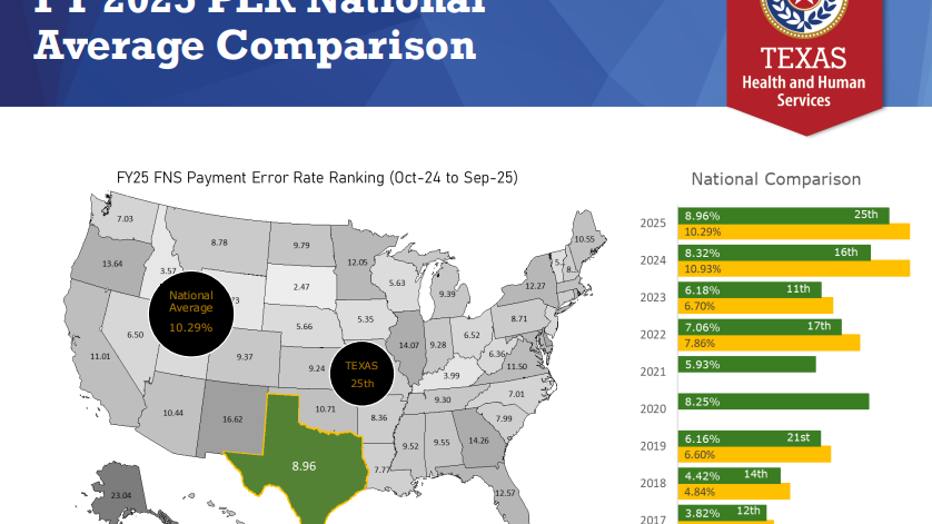
National average SNAP payment error rate comparison (THHS)
Texas was ranked 25th in the nation for SNAP errors in 2025. Note that errors do not necessarily denote fraud; a change to a SNAP recipient's monthly income can change their food assistance eligibility, and their overpayment or underpayment could add to Texas' new bill.
SNAP administrative cost changes
In addition to the charges for errors, THHS reported that states will soon see a bump in administrative costs. Currently, states all chip in for 50% of their share of the operating costs of the program in exchange for the benefits of the federal tax dollar-funded SNAP payments. THHS revealed that will change to 75% in October 2026.
In 2024, Texas paid about $470.5 million for those admin fees. Come October, THHS projects that'll jump to nearly $600 million — an increase of $117,349,674.
Recent changes to SNAP in Texas
At the start of April, SNAP saw a slew of changes hit, brought on by a Texas law passed last year called Senate Bill 379.
The focus is on sweetened drinks and items like candy bars, gum, taffy, nuts, raisins, fruits that are candied, crystallized or glazed, as well as products coated with chocolate, yogurt, or caramel. The restrictions include nonalcoholic beverages with water that have five grams or more added sugar, or certain types of artificial sweetener.
Texas SNAP benefits change April 1; no more junk foods
The junk food ban starts on April 1 for those on the state's SNAP. The new rules were passed by state lawmakers last year to force some people to buy healthier food.
The debit-like Lone Star Card can still purchase some drinks. Allowable products include milk or milk products like soy, rice, similar milk substitutes as well as chocolate milk, drinks that are at least 50% vegetable or fruit juice by volume, and drinks with natural sweeteners with less than five grams of added sugar. Medical-grade electrolyte drinks can be purchased, but not sports drinks.
The amount of money available for those on the SNAP program remains about the same. For a single person, the amount is just under $300 a month. The rate increases to almost $1,800 a month for a family of eight.
There is a work requirement for those who are 16 to 59 years of age and are physically able to look for a job or have one. There is an exception for caregivers.
The Source: Information in this article comes from Texas Health and Human Services and previous FOX Local reporting.