

Oral rabies vaccinations will be dropped from planes, hand distributed in far West Texas
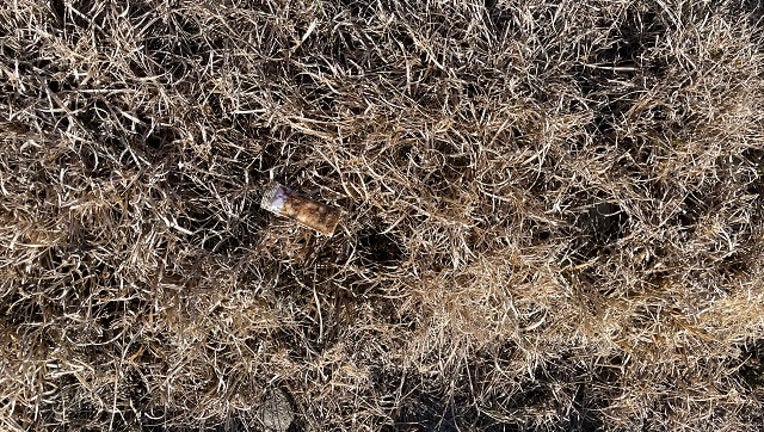
V-RG bait in grass (Source: Texas Department of State of Health Services)
EL PASO, Texas - The Texas Department of State Health Services (DSHS) is intensifying its anti-rabies efforts in far West Texas this January, expanding its annual Oral Rabies Vaccination Program to include hand distribution of vaccine baits in targeted urban areas.
The move comes as part of the agency's 32nd annual program, which already includes widespread aerial bait distribution across much of the Texas-Mexico border. Last year, flights were extended into far West Texas in response to an Arizona Fox rabies variant now established in New Mexico and within 150 miles of the Texas border.
Oral Rabies Vaccination Program
What they're saying:
"Our mission is to vaccinate wildlife along the borders of Texas to maintain herd immunity against rabies and keep new or previously eliminated rabies variants from becoming established in any part of Texas," said Kathy Parker, ORVP Director and Field Surveillance Lead. "However, we continue to monitor all the counties of Texas for outbreaks and/or potential areas of rabies interest."
Timeline:
Aerial bait drops are scheduled to begin Jan. 16 with flights from Alpine, followed by additional flights originating from Del Rio International Airport on Jan. 21, weather permitting.
During the two-week operation, between six and nine flights are scheduled per day, dropping roughly 693,600 oral rabies vaccine baits at a density of 50 baits per square mile.
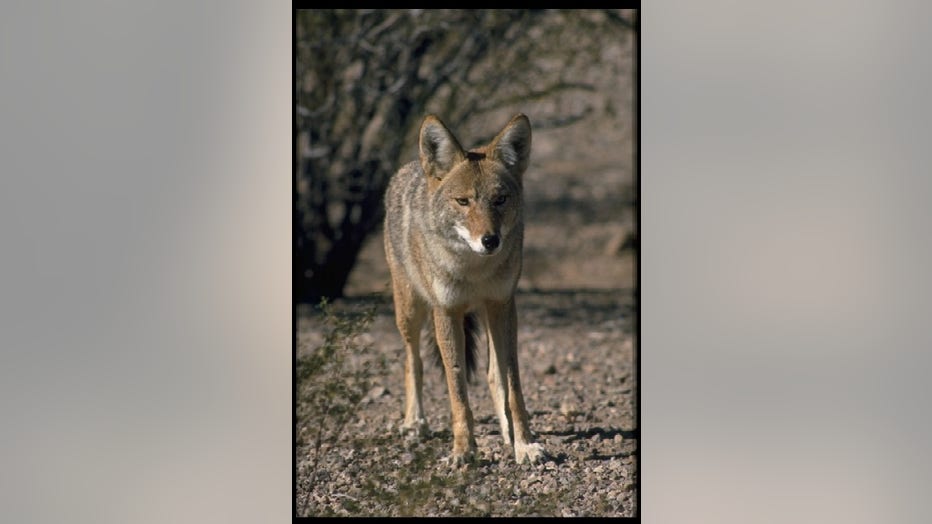
What is oral rabies bait?
The vaccine baits, manufactured by Boehringer Ingelheim Animal Health USA Inc., are small, fish oil-dipped plastic packets coated in fish-meal crumbles designed to attract wild canids like coyotes and foxes.
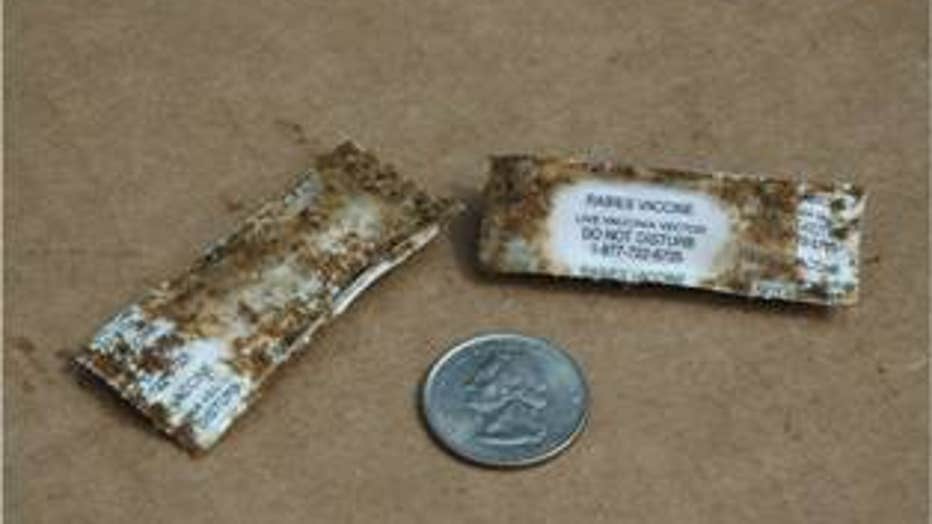
(Source: Texas Department of State of Health Services)
Is the bait a threat to the public?
DSHS assures the public that the baits pose no threat to pets, livestock, or other wildlife.
Dig deeper:
The $2 million ORVP project is funded jointly by the State of Texas and the United States Department of Agriculture Animal and Plant Health Inspection Service/Wildlife Services.
The Border Maintenance Zone for the aerial drops covers 19 Texas counties, including El Paso, Hudspeth, Culberson, Jeff Davis, Presidio, Brewster, Pecos, Terrell, Val Verde, Kinney, Maverick, Zavala, Dimmit, Webb, Zapata, Starr, Hidalgo, Cameron and Willacy. Beyond El Paso, hand-distribution efforts will also occur in parts of Cameron, Hidalgo, Starr, and Willacy counties.
The ORVP has a significant track record of success. Before the program's inception more than 30 years ago, canine rabies led to human deaths in Texas, and many residents required post-exposure rabies treatment. The program successfully stemmed the spread of the domestic dog/coyote rabies variant, reducing 122 confirmed animal cases in 1994 to zero by 2000 in Texas. Similar success was seen with the Texas gray fox variant, which saw more than 240 confirmed animal cases in 1995 drop to zero by May 2009.
Since the program began, no human cases of rabies attributable to these specific virus variants have been confirmed in Texas.
The Source: Information in this article is from the Texas Department of State of Health Services.