

How does Ebola spread? What to know as Congo outbreak worsens
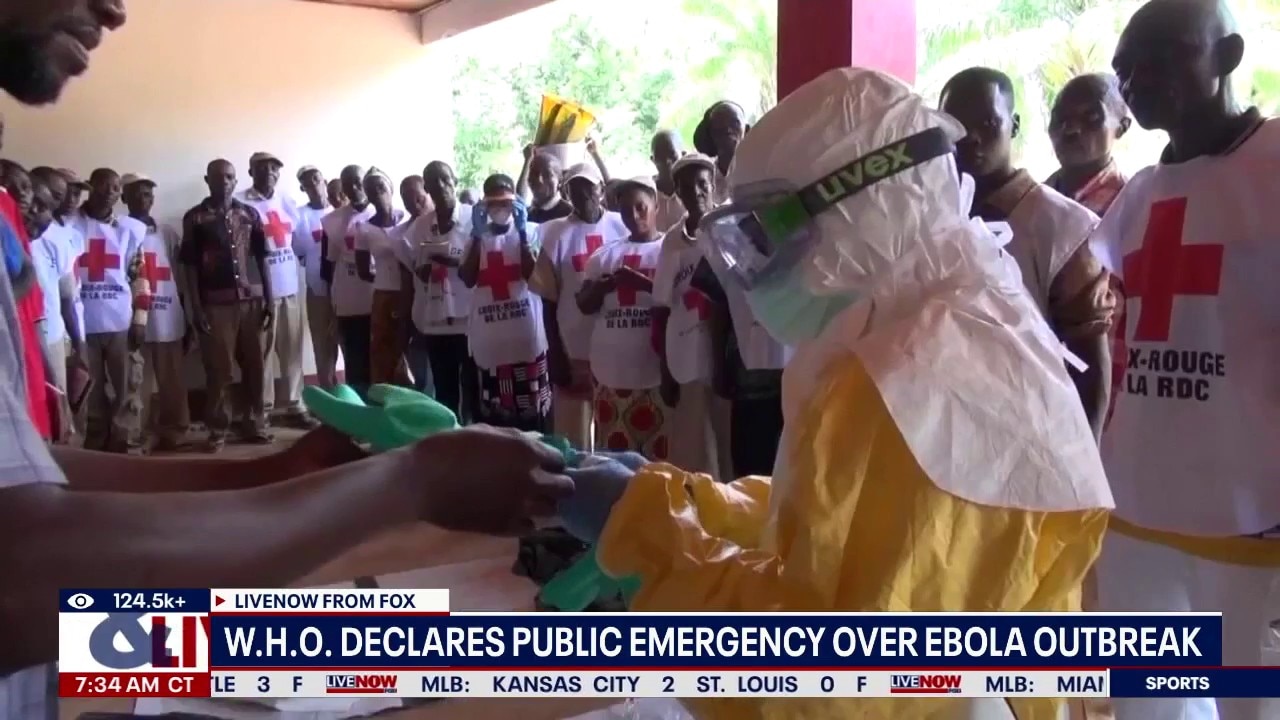
Congo's Ebola outbreak declared global health emergency
The World Health Organization declared the Ebola disease outbreak caused by a rare virus in Congo and neighboring Uganda a public health emergency of international concern on Sunday, after more than 300 suspected cases and 88 deaths.
A rare type of Ebola is spreading in Congo, with dozens of deaths and hundreds of cases already reported.
Here is what to know about the disease as the outbreak worsens in the country:
How does Ebola spread?

Big picture view:
The Ebola virus is highly contagious and can be transmitted to people from wild animals.
In humans, Ebola viruses spread through close contact with sick or deceased patient bodily fluids, such as sweat, blood, feces or vomit, and with surfaces and materials such as bedding and clothing contaminated with these fluids.
Healthcare workers and family members caring for sick patients face the highest risk, experts said.
RELATED: Ebola outbreak in Africa spurs global health emergency declaration
Ebola symptoms
Why you should care:
Ebola disease is a severe, often fatal illness in humans.
The U.S. CDC says it causes fever, headache, muscle pain, weakness, diarrhea, vomiting, stomach pain and unexplained bleeding or bruising.
Bundibugyo virus
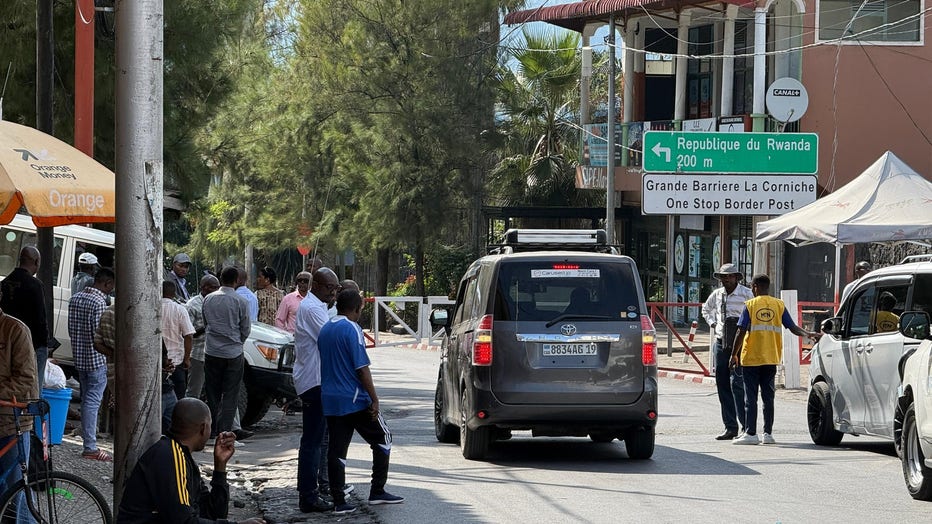
This photo taken with a mobile phone on May 17, 2026 shows the border post in Goma, the Democratic Republic of the Congo DRC, leading to Rwanda's Gisenyi. (Photo by Str/ Xinhua via Getty Images)
Dig deeper:
The species of Ebola virus causing this outbreak in Congo, the Bundibugyo virus, is less common than other Ebola viruses, which is complicating the response because there are no specific treatments or vaccines.
It also went undetected for several weeks as health workers tested for the more commonly seen Zaire strain, delaying response time.
More than 20 Ebola outbreaks have taken place in Congo and Uganda before, but this is only the third time the Bundibugyo virus has been reported.
Health experts are still working to determine patient zero. The first person reported to die from the virus in this outbreak was on April 24.
What they're saying:
World Health Organization director-general Tedros Adhanom Ghebreyesus, said he is "deeply concerned about the scale and speed of the epidemic."
By the numbers:
As of Tuesday, at least 131 deaths were suspected, and more than 500 cases.
All cases have been in Congo except for a few in neighboring Uganda.
Local perspective:
For now, the U.S. Centers for Disease Control and Prevention is not on the ground as part of the coordinated response.
But an American doctor working for an organization called Serge tested positive after treating patients at a hospital. The CDC noted the doctor and six other Americans had been taken to Germany for monitoring.
READ MORE: American doctor tests positive in Ebola outbreak that spurred global health emergency
Ebola mortality rate
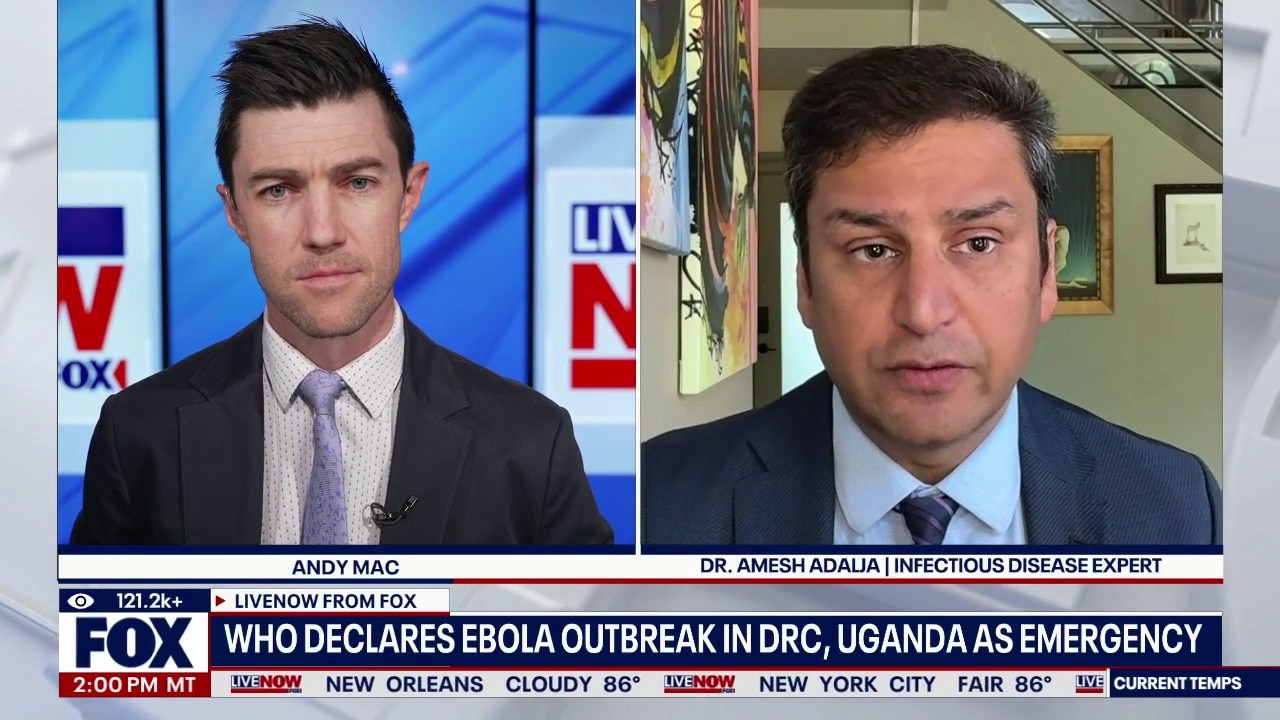
WHO declares Ebola health emergency in Central Africa
We are learning more this weekend about what experts are describing as an Ebola outbreak in Central Africa. The World Health Organization declared the outbreak an international public health emergency on Sunday. This came after dozens of suspected deaths were reported in the Democratic Republic of Congo and neighboring Uganda. LiveNOW’s Andy Mac is learning more about the response to the outbreak with Dr. Amesh Adalja who works as a Senior Scholar at the Johns Hopkins University Center for Health Security.
By the numbers:
The average Ebola disease case fatality rate is around 50%, according to WHO, adding that case fatality rates have varied from 25–90% in past outbreaks.
From the few outbreaks health experts have seen, Bundibugyo might be slightly less deadly than the more common Zaire virus.
What's next:
The World Health Organization declared a outbreak a global health emergency, and is sending a team of experts to the country.
Three treatment centers were being opened in the country this week, and experts say the number of cases is likely to rise as health officials conduct more surveillance.
At home, the CDC said that, for the next 30 days, the U.S. would ban entry of all foreign nationals who had visited Congo, Uganda and South Sudan over the past three weeks, and take measures to identify individuals with Ebola symptoms at ports of entry.
The Source: Information in this article was taken from The Associated Press, the World Health Organization and the CDC. This story was reported from Detroit.