

Healthcare fraud recoveries top $5.5 billion despite enforcement slowdown
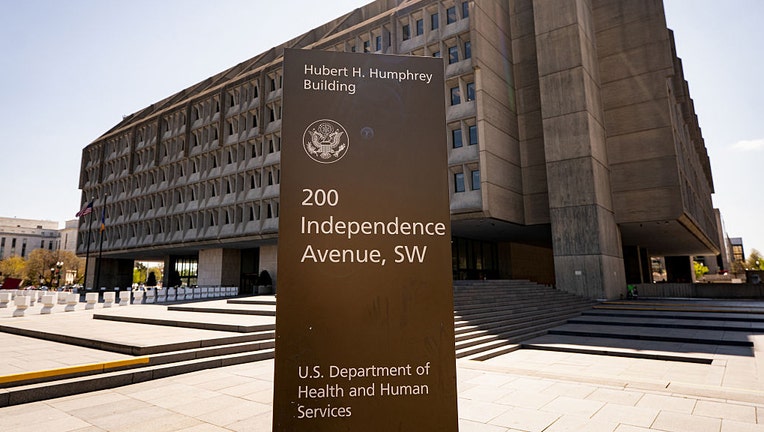
FILE-The Health and Human Services (HHS) headquarters in Washington, DC, US, on Tuesday, April 1, 2025. (Al Drago/Bloomberg via Getty Images)
The Department of Health and Human Services Office of Inspector General announced $5.56 billion in expected recoveries and anticipated savings in the span of six months.
DHS officials said Monday that the agency banned 1,212 individuals and organizations from federal healthcare programs after fraud investigations across the country, Reuters reported.
Healthcare fraud recoveries report
Dig deeper:
In a semiannual report to Congress, the Department of Health and Human Services Office of Inspector General (OIG) said a major data point indicated in the report was set by numerous cases, including a 15-year prison sentence for a telemedicine software executive behind a $1 billion scheme and $674 million in settlements with Kaiser Permanente affiliates and CVS Health’s Aetna over expensive Medicare Advantage billing.
Reuters reported that combined criminal and civil actions dropped to 604, down from 833 in the prior period and the lowest in at least two years.
RELATED: 455 charged in health care fraud crackdown; schemes totaled over $6.5 billion
The Office of the Inspector General stated in its report that it excluded 1,212 individuals or organizations from the Medicare program based on the investigations, continuing a steady two-year decline.
This report comes as the OIG is collaborating with a White House fraud task force led by Vice President JD Vance, as Vance, Health and Human Services Secretary Robert F. Kennedy Jr. and Medicare chief Mehmet Oz are also making efforts to combat fraud.
Reuters reported that Oz claimed that the federal government identified $2 billion improperly spent on people in the United States illegally, a figure not included in the OIG’s report.
RELATED: California’s $1.3B Medicaid funding put on hold amid fraud suspicions
Separately, Vance and Oz have asserted that autism-related Medicaid spending is indicative evidence of fraud. The OIG report noted that in Indiana, Wisconsin, Maine, and Colorado, the agency found hundreds of millions in improper and possibly improper payments for applied behavior analysis therapy.
In these cases, the report added, the cause was missing documentation, unsigned evaluations, copied session notes, staff without credentials and ineffective supervision by these states.
Meanwhile, these audits don’t allege a fraud scheme, although they don’t disclose potential criminal behavior other federal agencies would consider seeking.
The Source: Information for this story was provided by Reuters, which cites a report from the Office of the Inspector General. This story was reported from Washington, D.C.