

FAA to finally phase out floppy disks from air traffic control systems by 2028
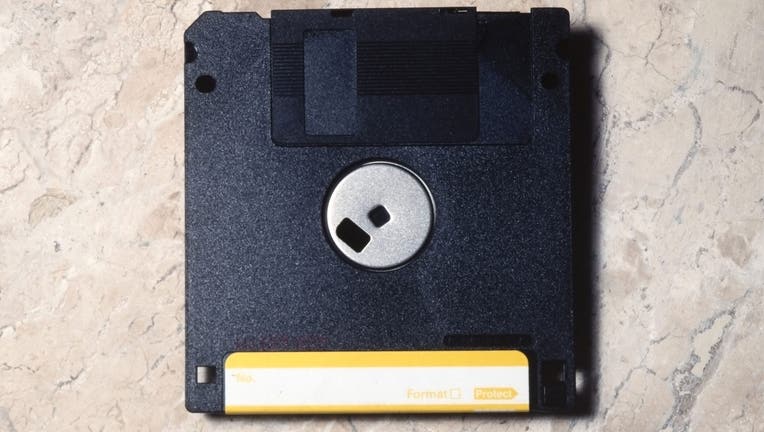
The Federal Aviation Administration says it will complete the phase out of floppy disks, an antiquated computer storage medium, by 2028. (Photo by 4Imagens/Getty Images)
The Federal Aviation Administration says it will need two more years to replace the outdated floppy disks used for weather and other critical information at hundreds of air traffic control facilities nationwide.
Big picture view:
Congress approved $12.5 billion in 2025 to fix the nation’s aging air traffic control system.
U.S. Transportation Secretary Sean Duffy is seeking $30 billion more for additional upgrades to help the FAA in its struggles with numerous technology issues, Reuters reported.
The FAA has been working to replace decades-old Compaq computers and telecom systems. The agency has used replacement parts it purchased on eBay to keep the technology going. Floppy disks have not been produced in high volume since 2011.
A brief history of the floppy disk
The backstory:
At its peak, the floppy disk, a form of magnetic computer storage, sold more than 5 billion units each year in the mid-1990s. It used to be the primary means to store and transfer files, distribute software and create backups.
The technology dates back to 1967, when an IBM engineer began work to develop an inexpensive system to load and transfer data. The solution, an 8-inch wide floppy disk, was first shipped in 1971.
In 1977, the Apple II computer came with two 5.25-inch floppy disk drives.
Both versions were flexible disks in sealed plastic sleeves.
The 3.5-inch floppy, contained in a non-bendable hard plastic jacket, made its debut in 1986. It would become the mainstay of computing in the 1990s because, despite being smaller, it had higher storage capacity and the rigid case gave the disk itself better protection from damage.
But as technology evolved and hard drives became smaller and even more efficient, the floppy disks fell out of widespread use some 25 years ago.
What they're saying:
FAA Administrator Bryan Bedford said air traffic facilities cannot talk to one another and operate on individual analog computers, describing every facility as its own "silo" in terms of communication.
"We’re moving away from outdated, manual processes and replacing technology that once relied on floppy disks with a modern system that allows controllers to instantly share critical flight alerts, restricted airspace schedules and pilot reports," Bedford said in a statement.
Dig deeper:
On top of that, a recent Oct. 23 FAA memo cited "a number of recent air traffic control outages" it blamed on fiber optic cable cuts.
The FAA is also trying to replace paper flight strips air traffic controllers have used for decades to keep track of aircraft. So far, 27 major airports have replaced the paper strips since the agency adopted a change starting in 2022. But completing the switchover at 49 other major airports will take until at least 2028, the agency said.
Why you should care:
The U.S. claims the world’s most complex airspace, with the FAA providing service to more than 44,000 flights and more than 3 million airline passengers on a daily basis. On a yearly basis, that adds up to more than 16 million flights and more than 976 million passengers.
The agency is also facing a shortage of several thousand air traffic controllers who keep air travel safe.
The Source: Information in this story came from Reuters, the Federal Aviation Administration, IBM and the Computer History Museum. This story was reported from Orlando.