

Advanced CTE tied to sharp rise in dementia risk, major brain study finds
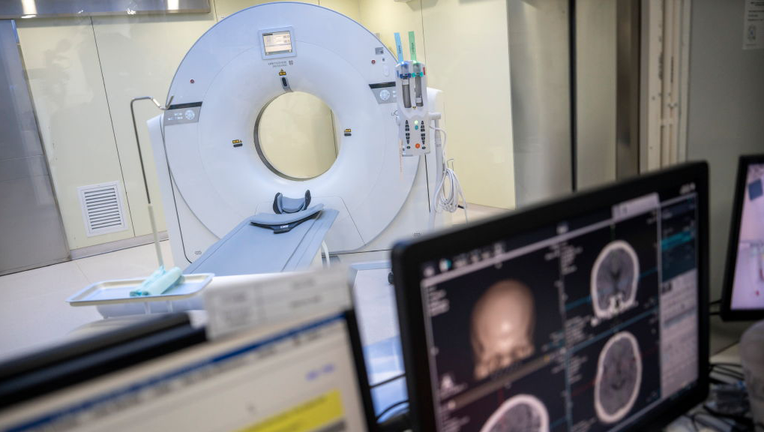
(Photo by Vernon Yuen/NurPhoto via Getty Images)
BOSTON - A new study is shedding light on how chronic traumatic encephalopathy, or CTE, a degenerative brain disease linked to repeated head injuries, is connected to cognitive decline and dementia.
Dig deeper:
Head injuries are common in contact sports, military service, and situations involving physical violence, and repeated impacts can lead to chronic traumatic encephalopathy (CTE), a progressive brain disease.
RELATED: Novartis settles with Henrietta Lacks’ estate over use of her ‘stolen’ cells to advance medicine
CTE can only be definitively diagnosed after death and is often mistaken for other neurodegenerative disorders, such as Alzheimer’s.

Treating sleep apnea in older adults may reduce risk of dementia, study finds
Researchers from the Michigan Medicine's Sleep Disorders Center made the discovery.
During life, doctors rely on a patient’s history of head trauma and symptoms while ruling out other conditions.
Why you should care:
To better understand the connection between CTE and symptoms, researchers at Boston University, led by Dr. Michael Alosco, studied the brains of 614 people who had experienced repeated head impacts. None had been diagnosed with other neurodegenerative diseases. The team also considered factors such as age, substance use, and vascular injury, and reviewed information about each person’s mood, behavior, and thinking skills. The findings were published January 26, 2026, in Alzheimer’s & Dementia.
Of the brains examined, 366 had CTE and 248 did not. Researchers found that only advanced CTE (stages III and IV) was linked to serious cognitive and functional problems. People with stage IV CTE were 4.5 times more likely to have been diagnosed with dementia than those without CTE. Mild CTE (stages I and II) was not associated with dementia or significant cognitive decline.
The study also found no clear link between CTE and mood or behavioral symptoms, suggesting those issues may stem from other types of brain damage related to repeated head injuries rather than CTE itself.
What they're saying:
"By examining hundreds of brains and ruling out other common neurodegenerative diseases, the team could look at CTE alone and linked it to symptoms reported during life," Dr. Amy Bany Adams, acting director of NIH’s National Institute of Neurological Disorders and Stroke, which funded the research, said. .
"Establishing that cognitive symptoms and dementia are outcomes of CTE moves us closer to being able to accurately detect and diagnose CTE during life, which is urgently needed," Alosco added.
The Source: The information in this story comes from a study conducted by researchers at Boston University. This story was reported from Los Angeles.