

Inflation report: July unchanged; Trump tells Powell lower the rate now
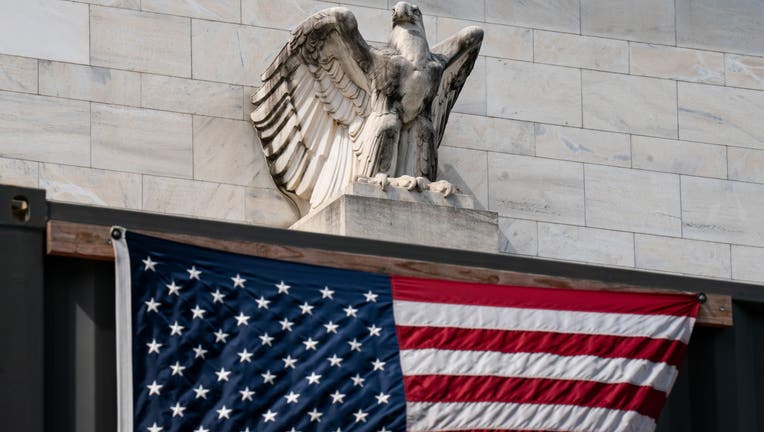
FILE - Construction on the Marriner S. Eccles Federal Reserve building in Washington, DC, US, on Monday, July 14, 2025. Photographer: Al Drago/Bloomberg via Getty Images
Inflation was unchanged in July as tariffs lifted the cost of imported goods such as furniture, appliances, and toys.
This could make it harder for the Federal Reserve to cut short-term interest rates as President Donald Trump has demanded.
July CPI inflation report
By the numbers:
Consumer prices rose 2.7% in July from a year earlier, the Labor Department said Tuesday, the same as the previous month and up from a post-pandemic low of 2.3% in April. Excluding the volatile food and energy categories, core prices rose 3.1%, up from 2.9% in June.
Dig deeper:
The figures suggest that slowing cost growth for rents and cheaper gas are offsetting some of the impact of Trump's sweeping tariffs.
Big picture view:
Tuesday's figures likely reflect the 10% universal tariff Trump imposed in April, as well as higher duties on countries such as China and Canada.
Fed Reserve interest rate

Fed. Chair Powell: 'rates remain steady'
Federal Reserve Chairman Jerome Powell held a news conference following a Federal Open Market Committee (FOMC) meeting in Washington, DC. Federal Reserve officials left interest rates unchanged.
Big picture view:
Stubbornly high inflation puts the Federal Reserve in a difficult spot.
Hiring slowed sharply in the spring, after Trump announced tariffs in April. The stalling out of job gains has boosted financial market expectations for an interest rate cut by the central bank.
What they're saying:
Tuesday morning after the report was released, Trump took to social media to say Fed chair Jerome Powell "must NOW lower the (interest) rate" after months of keeping it unchanged.
Powell has warned that worsening inflation could keep the Fed on the sidelines — a stance that has enraged Trump, who has defied traditional norms of central bank independence and demanded lower borrowing costs.
RELATED: Trump calls for Federal Reserve to pull control from Jerome Powell
Meanwhile:
Trump also mentioned on Tuesday he's considering allowing a lawsuit against Powell to proceed over the Federal Reserve Building renovations. The two squabbled over the cost in a meeting last month.
READ MORE: Trump visiting Federal Reserve amid push for Powell to cut interest rates
Imports and tariff costs

Pres. Trump's new tariffs in full effect
President Trump's sweeping new tariffs on more than 90 countries around the world are now in full gear. Despite much concern the President released a statement on Truth Social saying that 100s of billions of dollars are pouring into the country. Brandon Daniels, Exiger CEO explains the impacts of the new tariffs.
By the numbers:
Tariffs appeared to raise the cost of some imported items: Shoe prices jumped 1.4% from June to July, though they are still just 0.9% more expensive than a year ago. The cost of furniture leapt 0.9% in July and is 3.2% higher than a year earlier. Clothing prices ticked up 0.1% in July, after a larger rise in June, though they are still slightly cheaper than a year ago.
Big picture view:
Americans are likely to absorb more trade-war costs in the coming months as Trump begins to finalize tariffs. Once businesses know what they will be paying, they are more likely to pass those costs to customers, economists say.
RELATED: Trump suspends de minimis exemption for low-value imports: What it means for shoppers
The other side:
Trump has insisted that overseas manufacturers will pay the tariffs by reducing their prices to offset the duties. Yet the pre-tariff prices of imports haven't fallen much since the levies were put in place.
Gas prices
By the numbers:
Gas prices decreased 2.2% over the month.
RELATED: Majority of Americans stressed about grocery costs: Poll
Food and grocery prices
Big picture view:
The index for food was unchanged in July, after increasing 0.3% in the previous two months. Two of the six major grocery store food group indexes increased in July, while three decreased and one was unchanged.
Dig deeper:
The cost of dairy and related products rose 0.7% over the month as milk increased 1.9%. The meats, poultry, fish, and eggs index increased 0.2% in July, with mixed subcomponents including a 1.5% increase in beef costs and a 3.9% decrease in egg prices.
By the numbers:
Here is a breakdown of the six major grocery store food groups' price changes:
- Cereal and bakery products -0.2%
- Meats, poultry, fish and eggs +0.2%
- Dairy and related products +0.7%
- Fruits and vegetables 0.0%
- Nonalcoholic beverages and drinks -0.5%
- Other food at home -0.5%
The Source: Information in this article was taken from government data released Tuesday, Aug. 12, 2025, as part of July’s Consumer Price Index, and from President Trump's public Truth Social social media account. Background information was taken from previous FOX Television Station reportings. This story was reported from Detroit.