

Billion dollar Rio Grande buoy operation gets pushback from residents, scientists
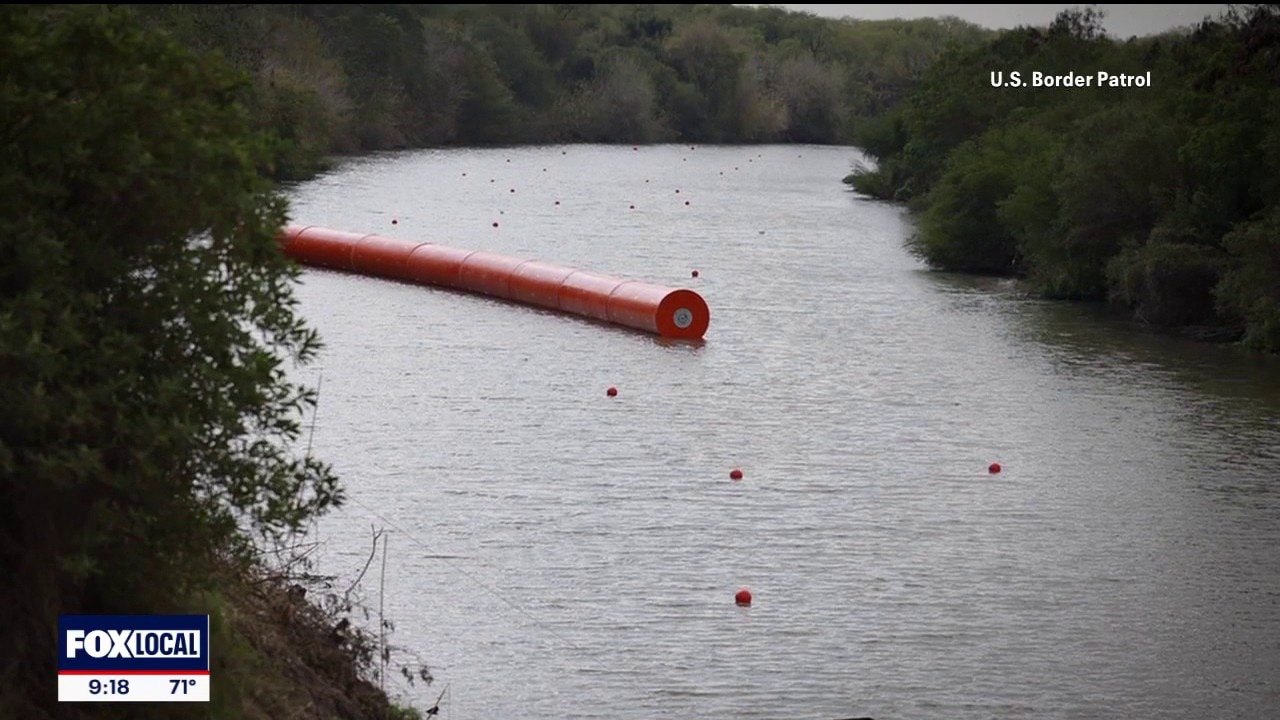
South Texas residents spurn buoys being put in Rio Grande
Residents of Laredo aren't happy with barriers being installed in the Rio Grande to prevent illegal crossings, while scientists wonder what the long-term environmental impacts of the project could be. FOX 4's Vania Castillo has more.
LAREDO, Texas - Some South Texas residents are saying "not in my backyard" to floating barriers the government plans to install along the Rio Grande.
Barriers in the Rio Grande
What we know:
The Trump Administration announced plans in Jan. 2026 to deploy floating barriers in the Rio Grande. The cylindrical barriers are designed to prevent crossings into the United States from Mexico.
The buoys will be deployed along around 536 miles of the river from the Gulf of Mexico into South Texas. It's a much more significant project than the type of buoys installed at Eagle Pass in 2023, which only covered 1,000 feet.
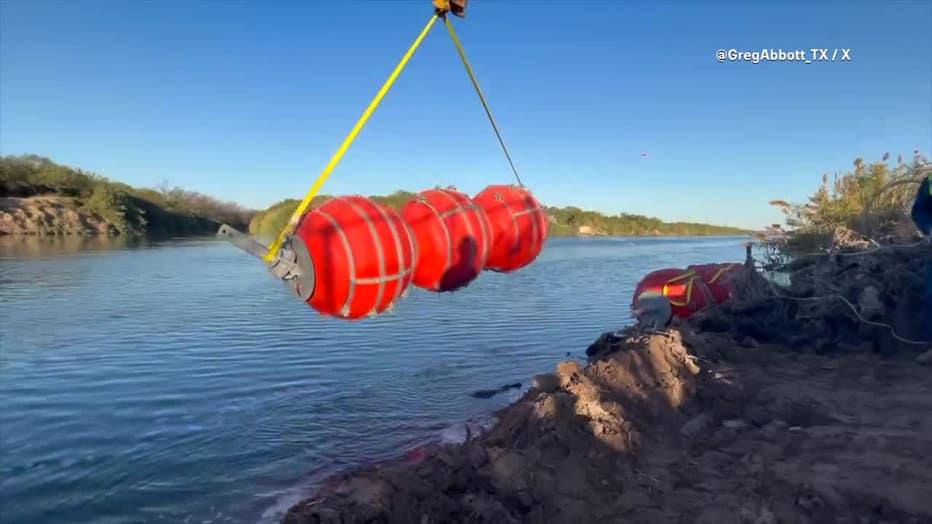
Customs and Border Protection told FOX 4 News the following about the buoys:
"The waterborne barrier is designed to withstand a 100-year flood event, which is the same standards as the border wall. Additionally, the waterborne barriers are designed to withstand increases in currents and water elevations."
"Not in my backyard"
Local perspective:
The project has caused concern among Laredo residents, who voiced their opinions on the buoys at a recent Laredo City Council meeting.
"The border wall and buoy system are an existential threat to Laredo, especially to some of the most vulnerable, disinvested neighborhoods," Karen Munoz, a Laredo resident, said at the city council meeting.
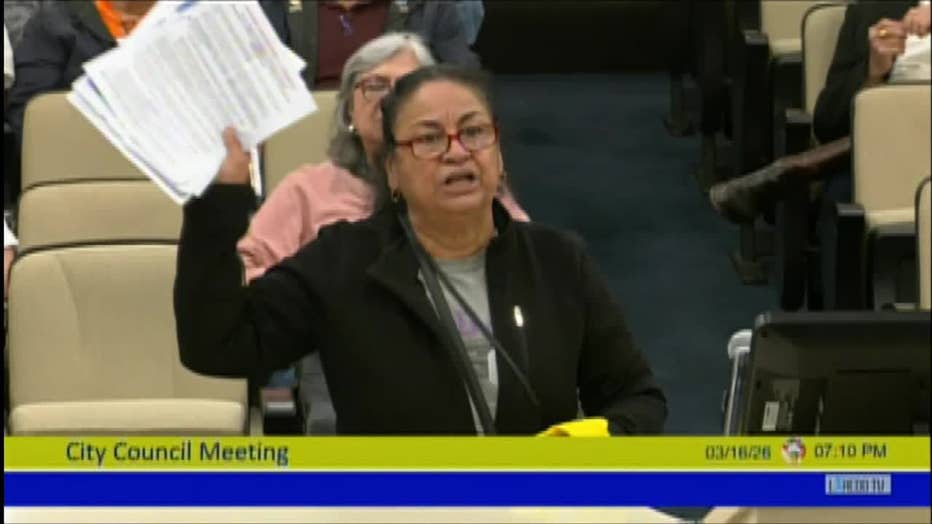
Laredo City Council meeting
"This is a life or death issue," Rosemary Welsh, another resident, said.
The Department of Homeland Security waived environmental laws in order to install the buoys, which concerns scientists about the long-term impact of the project.
"What happens with the buoys is they form a barrier that doesn't allow water to flow as it naturally would," Adriana Martinez, a geomorphologist, told FOX 4's Vania Castillo.
Concerns about flooding remain despite what CBP claimed.
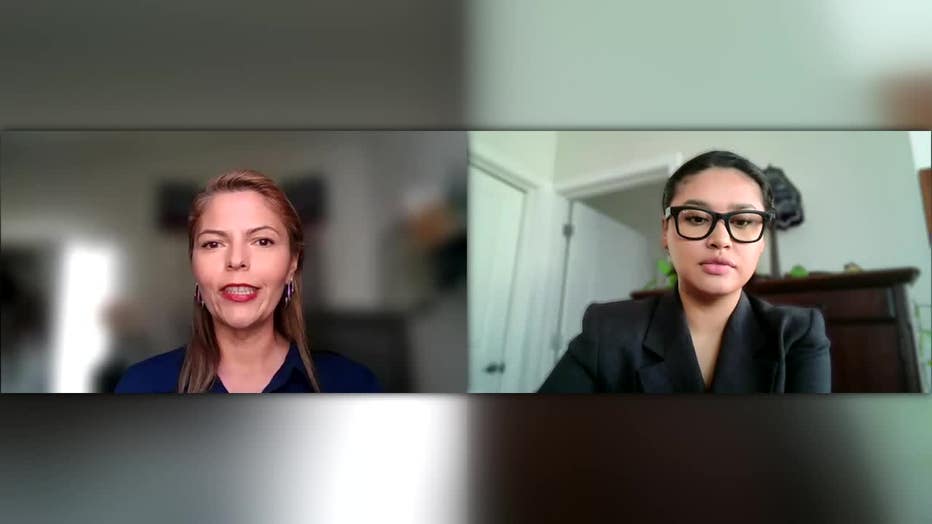
Adriana Martinez
"The buoys are tied to these concrete blocks at the bottom of the channel, and they're tied by cables and chains. But according to some scientific experts and engineers, those cables and chains aren't nearly long enough to accommodate those larger flood flows that we might have, and particularly near the Gulf."
Martinez wonders if the money invested in the project will cause more harm than intended.
"The amount of money that we are spending doesn't really make sense in terms of how it's really not impacting immigration, but it does impact the river and the environmental impacts that we have already seen occurring in Eagle Pass and Maverick County," Martinez continued.
The Source: Information in this story came from Customs and Border Protection, a Laredo City Council meeting and FOX 4 reporting.