

US hits Brazil with 25% tariffs after trade practices investigation
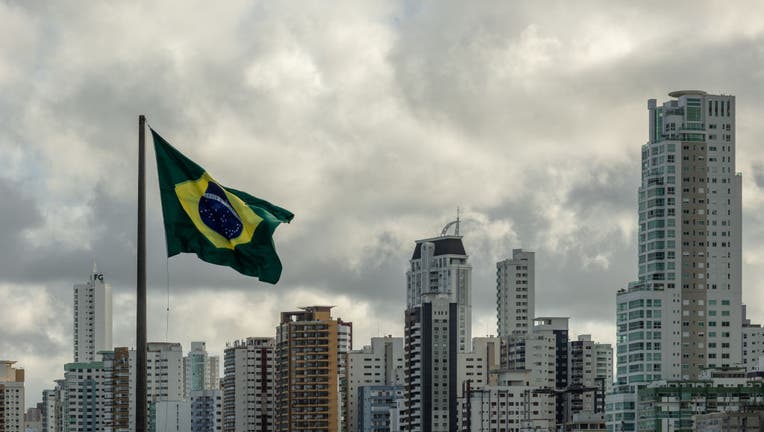
The Brazilian flag in Balneario Camboriu, Brazil. Photographer: Maira Erlich/Bloomberg via Getty Images
WASHINGTON - The United States imposed 25% tariffs on imports from Brazil after determining the country engaged in a range of unfair trade practices.
The tariffs, which were first proposed last month, will take effect July 22.
Dig deeper:
The order exempts some goods that are not produced in the U.S. or that officials worry would disrupt supply chains. Exempted products include coffee, beef, oranges and orange juice, some oil and gas energy products and aerospace parts and components.
The Office of the U.S. Trade Representative concluded after a yearlong investigation that Brazil had a range of unfair trade practices, including lax anti-corruption enforcement and unfair tariffs of its own, among other practices seen as unreasonable and unfair. The U.S., however, has had a goods trade surplus with Brazil for years.
RELATED: Lawsuit accuses Nike of pocketing tariff refunds while raising prices
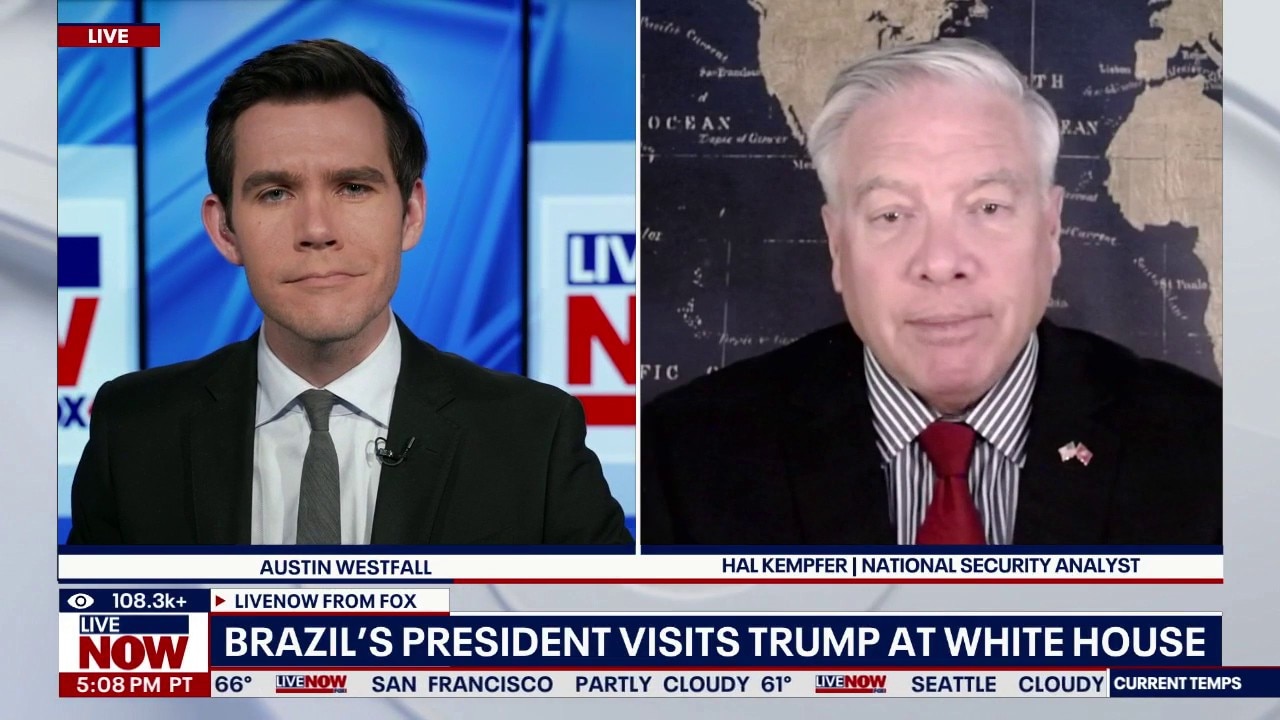
Brazil’s president visits Trump at White House
FROM THE ARCHIVES: Brazilian President Luiz Inacio Lula da Silva said that three hours of White House talks with President Donald Trump helped stabilize Brazil and U.S. relations that have been strained over Trump's tariff policy. LiveNOW's Austin Westfall brings national security analyst Hal Kempfer into the conversation to discuss.
What they're saying:
U.S. Trade Representative Jamieson Greer said in a statement that the action was necessary to ensure American workers and companies compete on a level playing field.
"Extensive negotiations with Brazil over the past year have not resolved these issues, but we remain open to continuing negotiations with Brazil to bring about long-needed changes to the problems identified in this investigation," he said.
Secretary of State Marco Rubio said in a post on X about the announcement of the tariffs: "Let there be no confusion about why: President Lula and his government have not negotiated with the US in good faith. His economic policies are bad for Americans and bad for Brazilians. For the past year, Lula has put his own ego ahead of making a deal for the welfare of the Brazilian people, and these tariffs are the price for that."
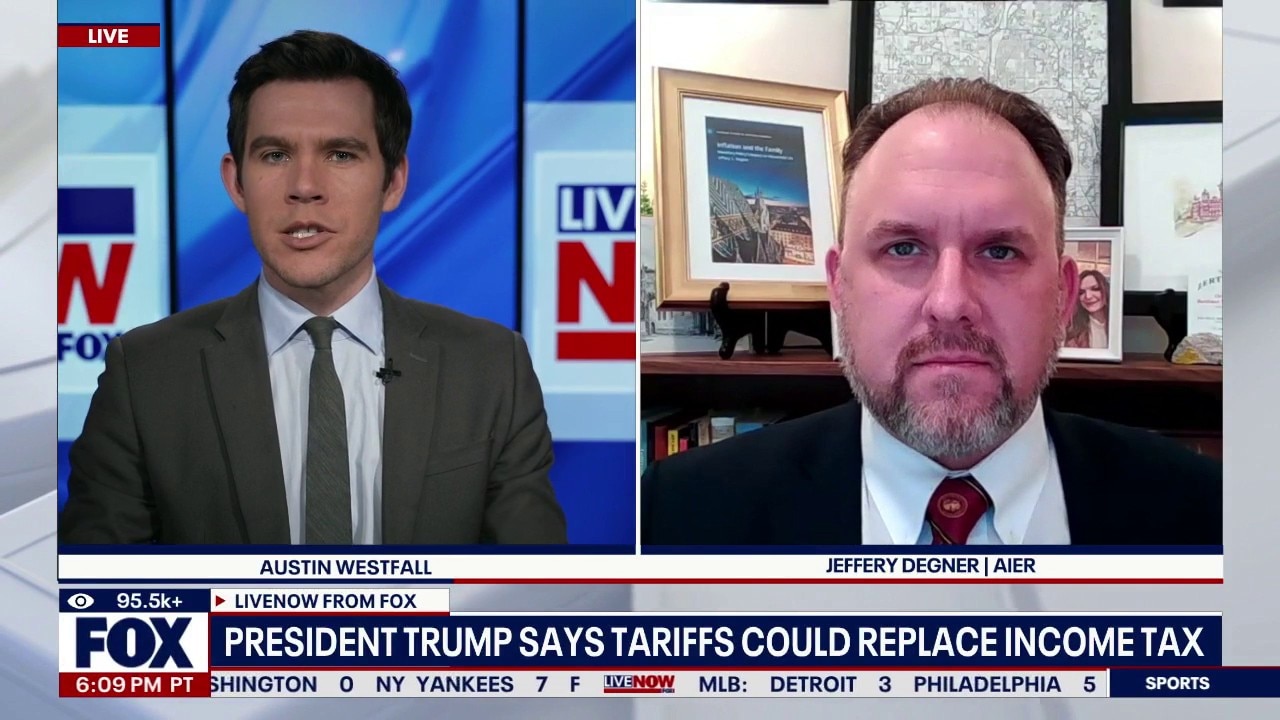
Trump rips SCOTUS tariff ruling at State of the Union
LiveNOW’s Austin Westfall is speaking with Jeffery Degner from the American Institute for Economic Research (AIER) after President Donald Trump’s State of the Union address. Some of the most notable moments from Trump's speech surrounded his response to the Supreme Court’s recent 6–3 ruling on tariffs.
The other side:
After U.S. officials in early June warned that they were proposing the tariffs, Brazilian President Luiz Inácio Lula da Silva reacted with indignation. He instead pointed to political considerations, blaming his rival in the country's October elections, Sen. Flávio Bolsonaro. Bolsonaro had recently visited Washington and is the son of former President Jair Bolsonaro, an ally of President Donald Trump.
RELATED: Trump moves to replace rejected tariffs with new import taxes
Big picture view:
The tariffs are being imposed under Section 301 of the Trade Act of 1974, allowing the U.S. to launch the investigation into Brazil’s trade practices.
The U.S. Supreme Court in February ruled against many of Trump's tariffs imposed under a different law, the International Emergency Economic Powers Act (IEEPA) of 1977. The court found he overstepped his authority under that act to impose sweeping tariffs on U.S. trading partners, including Brazil.
Trump had under that law imposed a 50% tariff on Brazil to protest its prosecution of Jair Bolsonaro for trying to overturn his loss in a 2022 election. But Trump's relationship with Lula seemed to improve in May, when he visited the White House.
The Source: The Associated Press contributed to this report. This story is based on information from the White House's executive order imposing the tariffs. This story was reported from Los Angeles.