

Prediction markets vs. polls: What are they saying about the 2026 midterms?
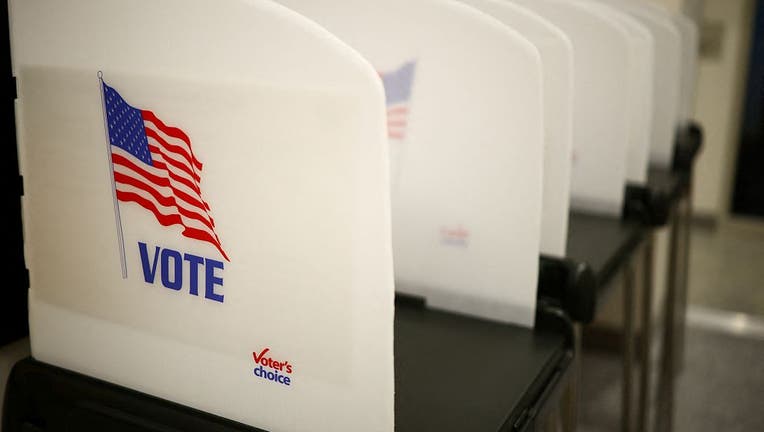
Voting booths are seen in the town hall in Bangor, Maine, during early midterm voting on October 16, 2026. (Photo by CHARLY TRIBALLEAU / AFP via Getty Images)
Prediction markets and traditional polls offer different snapshots of the 2026 midterm elections. While polls measure how voters say they plan to vote, prediction markets reflect traders’ expectations about which candidate or party will ultimately win.
Prediction markets vs. polls
Dig deeper:
Prediction markets and traditional polls measure elections in very different ways.
Polls ask a sample of voters who they plan to support. When conducted by reputable organizations, polls use established methods designed to represent the broader electorate. Polls can be inaccurate, but they are based on voters’ reported opinions.
RELATED: 2026 midterm elections: 21 key House races to follow
Prediction markets, such as Kalshi and Polymarket, allow people to buy and sell contracts tied to election outcomes. The odds reflect how much bettors are willing to pay based on their predictions about who will win. In other words, prediction markets show what bettors think will happen — not necessarily what voters say they will do.
Here are what prediction markets and polls are saying for some of the top key races:
North Carolina senate race
Georgia senate race
Ohio senate race
Texas senate race
Maine senate race
Michigan senate race
The Source: The information in this story comes from traditional polling data and prediction market odds, including the Kalshi and 270toWin market tracking the 2026 races. This story was reported from Los Angeles.