

Inflation rose last month amid weakening job market: How will the Fed respond?

Which city has the worst inflation problem?
Inflation increased in July, according to the Bureau of Labor Statistics. The consumer price index (CPI) rose 0.2% in July compared with last month, while it was up 2.7% from a year ago. LiveNOW's Andy Mac spoke about which cities have the biggest inflation problems with Chip Lupo from WalletHub.
Inflation rose again last month amid a weakening job market, two trends that would require opposite actions from the Federal Reserve to address.
The price of gas, groceries, hotel rooms and airfares rose, along with the cost of clothes and used cars. It’s the last measure the Fed will see before its board of governors meets next week and likely cuts the short-term interest rate.
Consumer Price Index for August 2025
By the numbers:
Overall, consumer prices increased 2.9% in August compared to the same month last year, according to the Labor Department. Excluding the volatile food and energy categories, core prices rose 3.1%, the same as in July. Both figures are above the Federal Reserve’s 2% target.
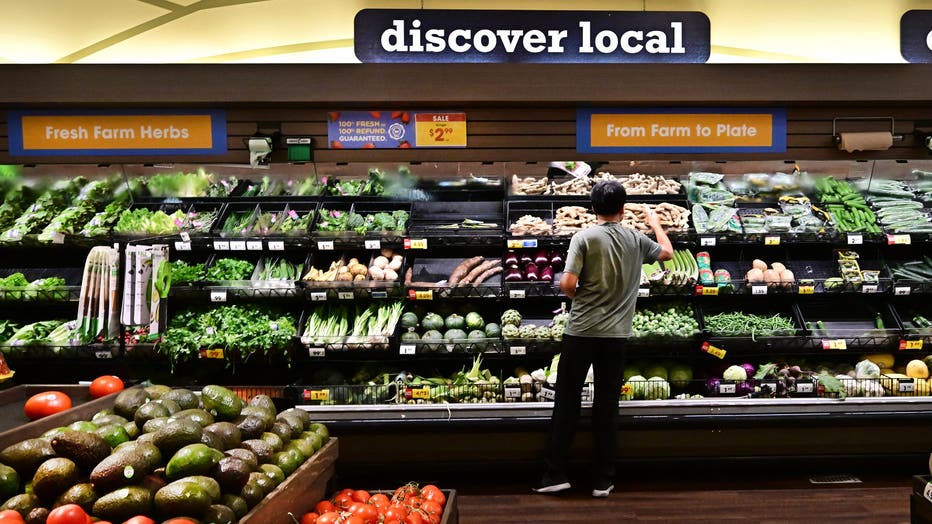
A man shops for produce at a supermarket in Monterey Park, California on September 9, 2025. With growth in jobs stalling and prices rising, the US economy is showing warning signs for both jobs and inflation. (Photo by FREDERIC J. BROWN/AFP via Getty
On a monthly basis, overall inflation accelerated, as prices rose 0.4% from July to August, faster than the 0.2% pace the previous month. Core prices rose 0.3% for the second straight month.
RELATED: Americans' support for capitalism drops to new low, poll finds
Gas prices jumped 1.9% just from July to August, the biggest monthly increase since a 4% rise in December. Grocery prices climbed 0.6%, pushed higher by more expensive tomatoes, apples, and beef. The cost of travel soared, with air fares rising 5.9% just from July to August and hotel room prices rising 2.3%. Rental costs also increased, rising 0.4%, faster than the previous month.
Clothing costs rose 0.5% just last month, though they are still just slightly more expensive than a year ago. Furniture costs rose 0.3% and are 4.7% higher than a year earlier. Appliance costs also rose from July to August, after falling the previous month.
Why is inflation rising?
Big picture view:
The impact of President Donald Trump’s tariffs appeared to be mixed, with many imported goods rising in price but modestly.
RELATED: Treasury chief says US could issue refunds if court strikes down Trump tariffs
Still, the new inflation data underscores the challenges the Fed is facing as it experiences relentless pressure from Trump to cut rates.
Unemployment rate ticks up
Dig deeper:
Hiring has slowed sharply in recent months and was lower than previously estimated last year. The unemployment rate rose in August to a still-low 4.3%. Weekly unemployment claims rose sharply last week, the government also reported Thursday, a sign layoffs may be picking up.
RELATED: States where unemployment claims are increasing the most
Typically the Fed would cut its key rate when unemployment rises to spur more spending and growth. Yet it would do the opposite and raise rates — or at least keep them unchanged — in the face of rising inflation. Last month, Chair Jerome Powell signaled that Fed officials are increasingly concerned about jobs, but stubbornly high inflation could keep the Fed from cutting very quickly.
The inflation data arrives at the same time that Trump has sought to fire Fed governor Lisa Cook as part of an effort to assert more control over the Fed. Late Tuesday, a court said the firing was illegal and ruled that Cook could keep her job while the dispute played out in the courts.
What's next:
The Fed’s board of governors will meet Sept. 17 to make a decision about interest rates. The governing board is widely expected to reduce short-term interest rates from 4.3% to 4.1%.
The Source: This report includes information from The Associated Press.