

Community reacts to Tarrant County's reduction in polling sites
Tarrant county cuts polling sites ahead of the midterms
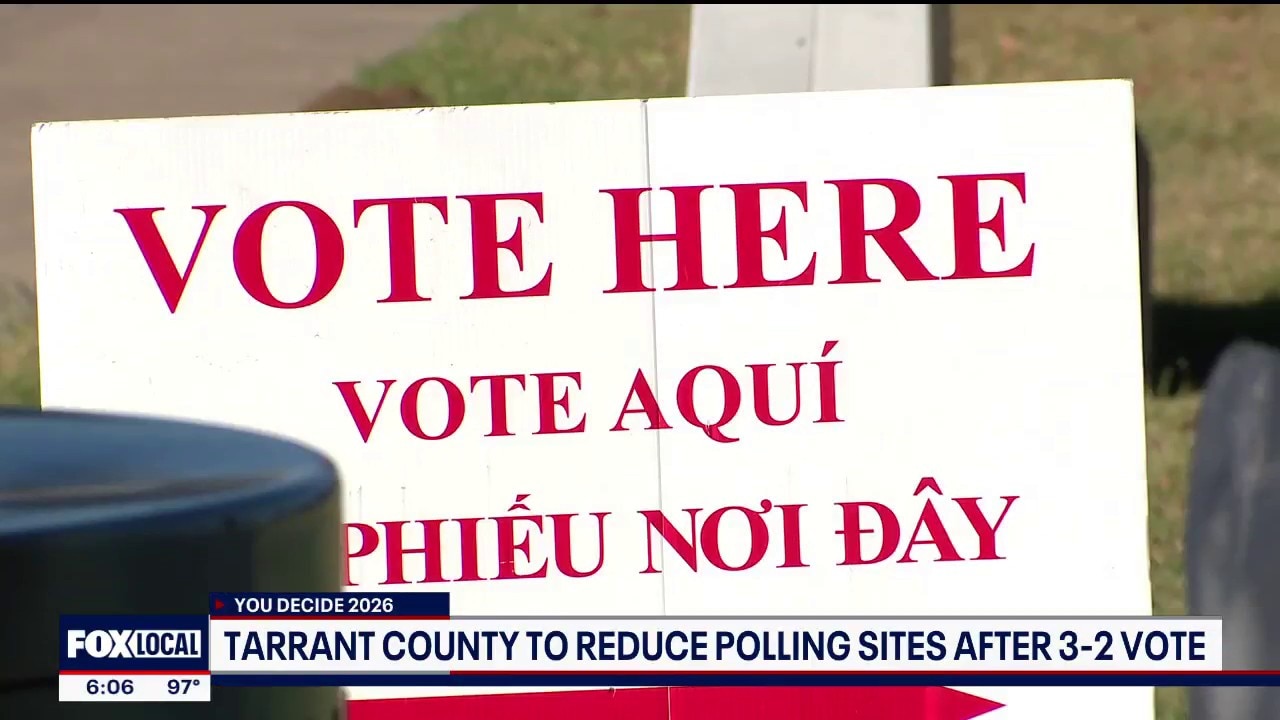
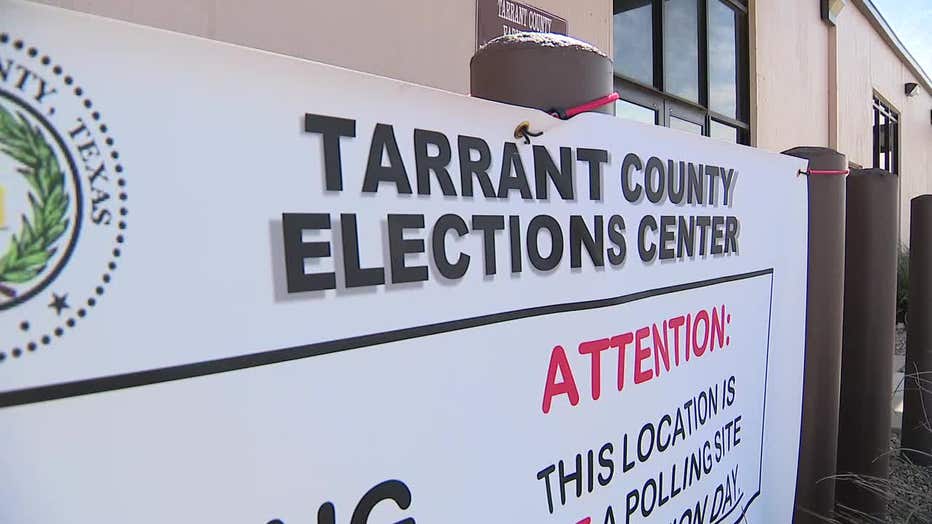
Tarrant County commissioners voted 3-to-2 to eliminate nearly 30 percent of election day polling locations ahead of the November midterms, dropping sites from 316 down to 224 despite a growing voter population. The controversial cuts include removing sites from the UTA campus and two Tarrant County College locations, sparking intense backlash from local voters and Democratic groups.
FORT WORTH, Texas - Despite claims that the recent reduction in polling sites in Tarrant County was not politically motivated, a political science professor tells FOX 4 that past actions by county leaders show the move was made to help Republicans.
Tarrant County polling site reduction
PREVIOUS COVERAGE: Tarrant County reducing number of polling sites
On Tuesday, the Tarrant County Commissioners Court voted to reduce the total number of polling locations in the county by nearly 100. FOX 4's Dionne Anglin has more.
What we know:
On Sept. 1, the Tarrant County Commissioners Court voted 3-2 to approve a plan to cut the number of polling sites in the county to 224 for the 2026 midterm elections.
That's down from the 312 total polling sites the county had for the 2022 midterm elections, representing a 92-location drop.
The number of early voting sites was also slightly reduced, with 47 early voting sites in 2026 as opposed to 50 in 2022.
Dig deeper:
The reduction in polling sites comes despite more registered voters living in Tarrant County in 2026 than there were four years ago during the 2022 midterm elections.
Cal Jillson, a professor of political science at SMU, tells FOX 4's Dionne Anglin that Tarrant County Judge Tim O'Hare has admitted that previous redistricting efforts in Tarrant County were politically motivated, and the polling location reduction is the same.
"Now they're reducing a number of voting precincts, and he says ‘But I’m not doing that for partisan or political reasons. I'm doing it to save money'. Well, it's hard to believe, really, when you know he admitted he was working for partisan purposes on redistricting and now claims he's not on revising the number of precincts."
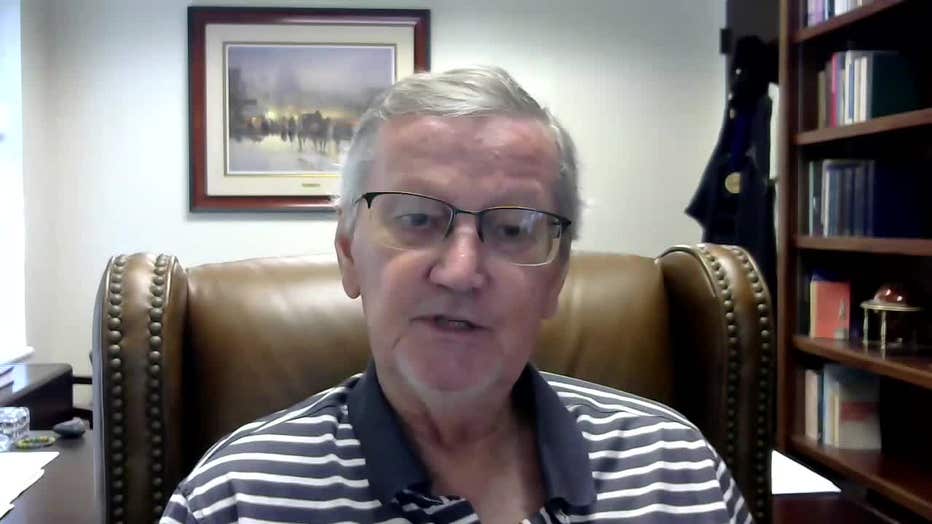
Cal Jillson
Among the voting sites that were cut are a site on the campus of the University of Texas at Arlington and two sites on Tarrant County College campuses. Jillson says that was on purpose.
"Republicans often try to shut down precincts on college campuses because college students lean left," Jillson said.
Tarrant County, long considered a Republican stronghold, saw a Democrat win a Texas State Senate seat in February when Taylor Rehmet beat Republican Leigh Wambsganss by 17 points in a special election.
"Both political parties know that the game in Tarrant County is about turnout. Things are changing there from red to purple, and democrats hope on the way to blue," Jillson said. "Republicans have to do everything they can. Redistricting might be one of those, designing polling places to their benefit might be another."
Local perspective:
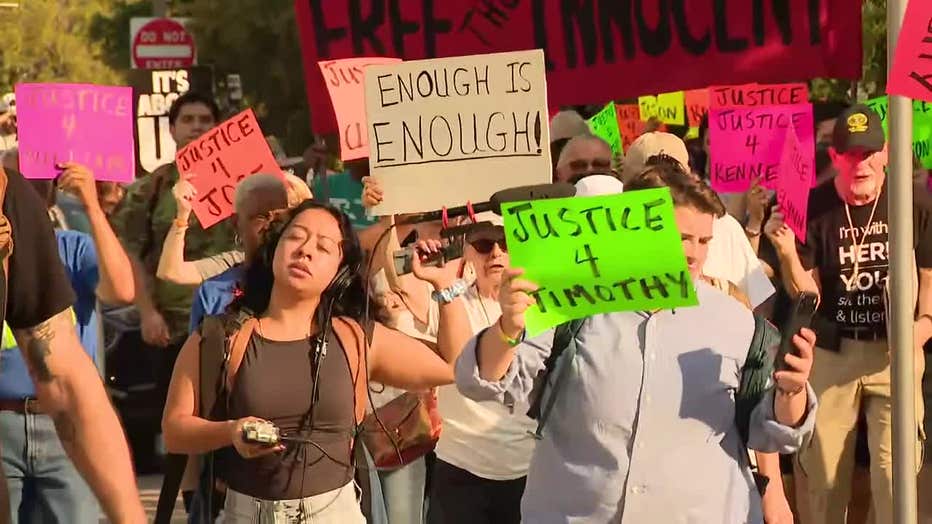
During the Sept. 1 Tarrant County Commissioners Court meeting, many speakers expressed their opposition to the move, which they said amounted to voter suppression and disenfranchised voters of color.
Emeri Callaway, a member of the Tarrant County Young Democrats, said those who voted for the reduction would come to regret it.
"We will make it clear on November 4 that the people of Tarrant County are mad, and they're gonna regret this decision," Callaway said.
The other side:
O'Hare said in a statement to FOX 4 the polling sites in the district are "fairly and reasonably spread across the county's 4 commissioner precincts."
He pointed out that the county has 54 more polling sites than Texas mandates, and election day polling sites are an average of 1.5 miles apart from one another.
"I want to thank our elections staff for the work that got us here, and I want to thank the residents who showed up and pushed for a better plan. Every eligible voter in Tarrant County will have a fair, secure, and accessible way to vote this November," the statement reads.
O'Hare also says several previous polling locations are no longer in use or no longer meet ADA requirements, leading to them being dropped as polling sites.
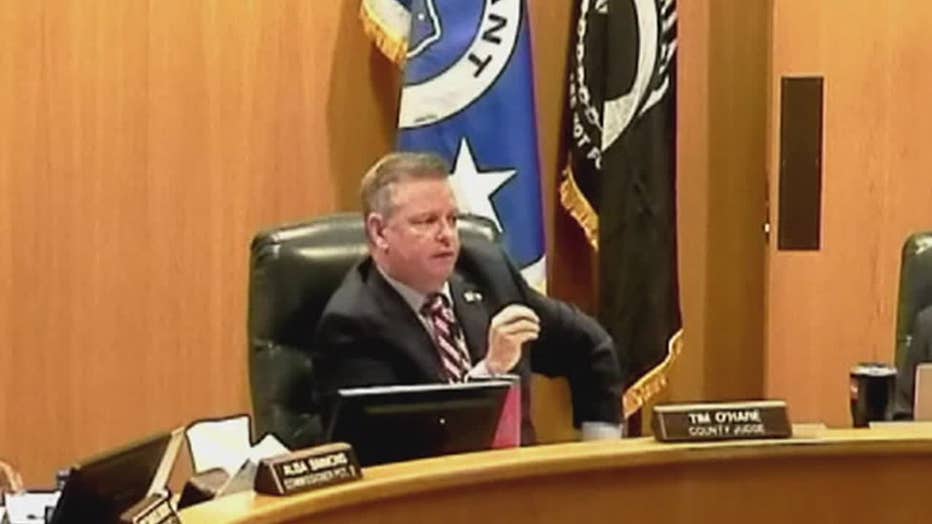
Tarrant County Judge Tim O'Hare
What's next:
The 2026 midterm elections on local, statewide and national levels are scheduled for Nov. 3.
The Source: Information in this story comes from Tarrant County officials and an interview with a SMU political science professor.