

Supreme Court declines to intervene in surrogate custody dispute over baby born in Texas
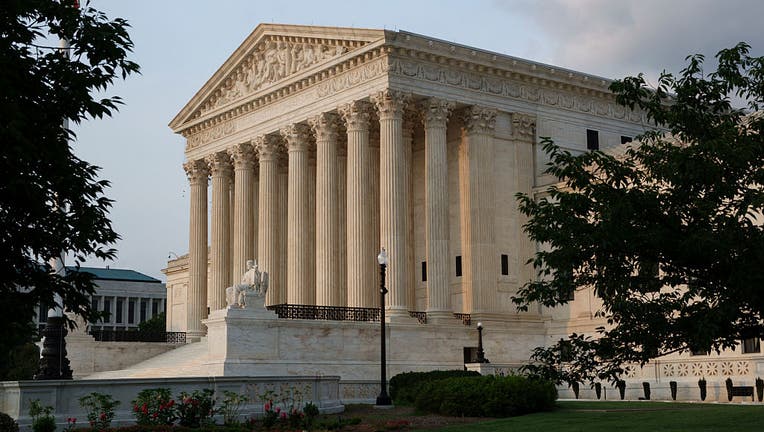
WASHINGTON, DC - AUGUST 12: The U.S. Supreme Court is seen at sunset on August 12, 2026 in Washington, DC. (Photo by Kevin Carter/Getty Images)
The U.S. Supreme Court will not block a California judgment recognizing a couple as the legal parents of a child born in Texas after a surrogate refused their request to terminate the pregnancy.
Justice Kagan denies West’s emergency request
Why you should care:
Justice Elena Kagan on Tuesday denied McKenna West’s emergency request to pause a California court judgment recognizing the couple as the baby’s legal parents. Kagan did not explain the decision.
The denial leaves in place a Texas court order enforcing the California judgment and dismissing West from the case. West had sought conservatorship, which would have allowed her to participate in decisions about the child’s medical care.
The dispute centers on the baby’s medical care
The backstory:
Multiple courts have rejected West's efforts to have a say in the treatment of the child, whom West has called Gabriel and the couple has called Rumi. The child was born with hypoplastic left heart syndrome, a life-threatening condition in which the left side of the heart is severely underdeveloped. The condition typically requires multiple surgeries.
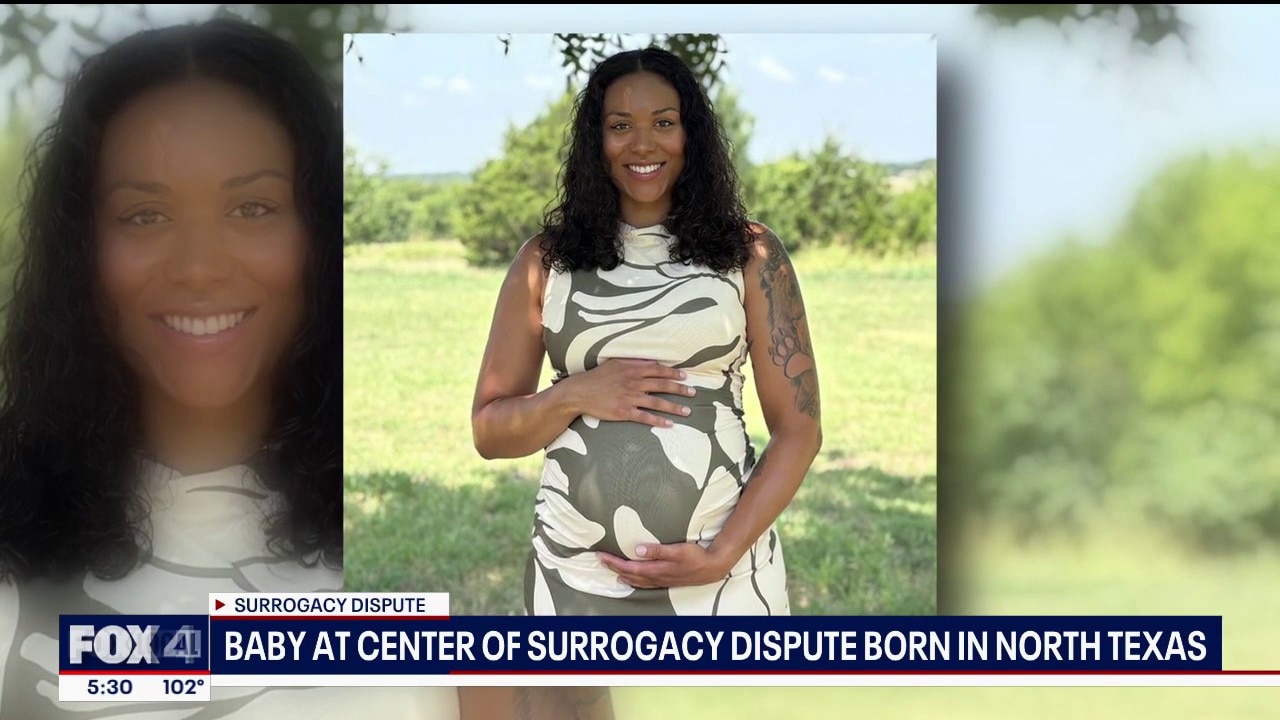
PREVIOUS COVERAGE: Baby Gabriel born in Dallas amid surrogacy dispute
PREVIOUS COVERAGE: A baby at the center of a surrogacy dispute between the mother from Alaska and a couple from California was born on Thursday in Dallas, as politicians and attorneys have become involved in the case. FOX 4's Shaun Rabb has more.
West gave birth to the baby on Aug. 12 in Dallas after refusing the couple's wishes to terminate the pregnancy. After the baby was born, a Texas court recognized the California ruling naming the couple as his legal parents and dismissed West from the case with prejudice, meaning she could not refile the same claim in that proceeding.
West has said she believes the couple will not provide life-saving care for the child, citing their request for an abortion.
The couple has denied that they intend to withhold necessary medical care and said in court filings that they are committed to providing treatment for the child. Their attorneys argued that West’s request would create uncertainty over who is authorized to make medical decisions.
What's next:
The boy underwent surgery soon after he was born. Children with HLHS typically have a series of surgeries. The first is usually done within the first two weeks of the baby's life, with a second surgery when the baby is 4 to 6 months in age and a third procedure between 18 months and 3 years of age, according to the Centers for Disease Control and Prevention.
The Source: Information in this article comes from an order from the U.S. Supreme Court and previous FOX Local reporting.