

Convicted NTX burglar argues Flock camera use violated constitutional rights
FORT WORTH, Texas - A convicted felon connected to five armed robberies in North Texas is arguing Flock cameras used to track him violated his constitutional rights in an appeal filed earlier this month.
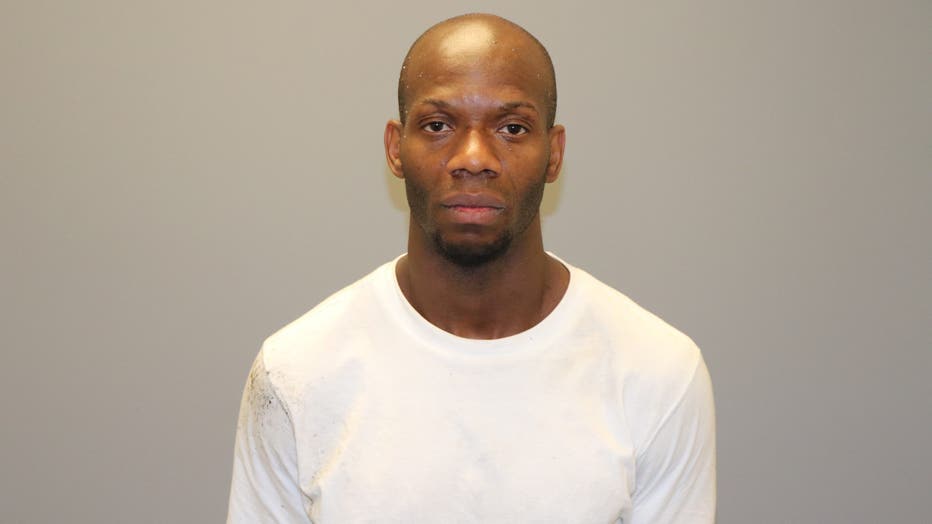
Charles Brownlee
What we know:
In March 2025, 37-year-old Charles Brownlee was found guilty by a jury on multiple charges connected to five armed robberies across North Texas in 2024.
Evidence presented at trial showed that between May 9 and May 21, 2024, Brownlee, a convicted felon, robbed five Cash Store locations at gunpoint.

The targeted businesses were in Grand Prairie, Fort Worth, Euless, Hurst, and Grapevine. Authorities said Brownlee attempted to hide his identity during the robberies by wearing a medical mask, different baseball caps, and various outfits.
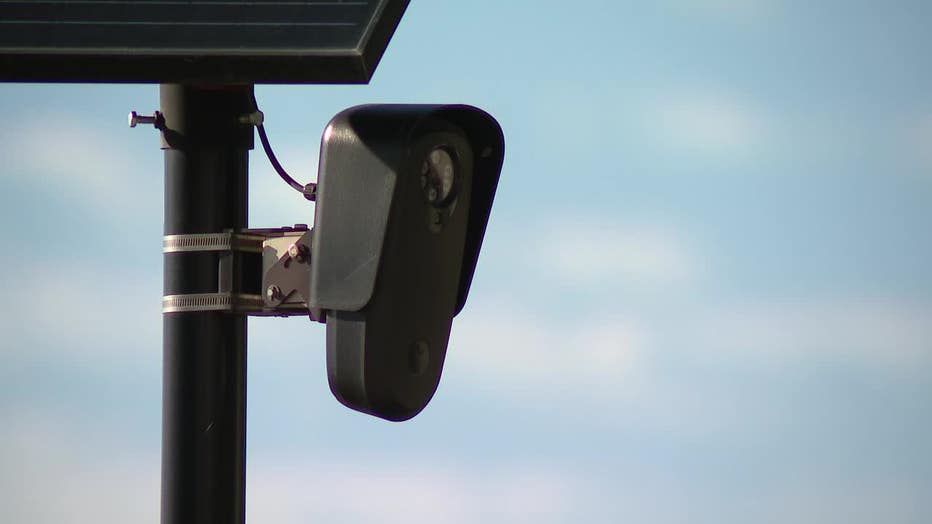
Authorities were able to trace Brownlee's movements through Flock cameras.
In July 2025, Brownlee received a 60-year prison sentence, and was ordered to pay $21,123.47 in restitution.
What's New:
Over a year after his conviction, Brownlee and his attorneys have filed an appeal, arguing the use of Flock cameras to track Brownlee violated his constitutional rights.
Earlier this month, a three-panel jury heard oral arguments in the case. Brownlee's defense argues that collecting Flock camera data resembles a ‘general search’, which conflicts with the Fourth Amendment's protection against searches without probable cause.
"What you have here, which is in the space of two and a half hours, they're able to find literally a needle in a haystack, but they didn't even know the needle they were looking for when they started looking at that two and a half hours," James Wright, one of Brownlee's defense attorneys, said during the hearing.
The Department of Justice argued during the hearing that the cameras captured information visible in public, and that the data is ‘episodic’ and not actively tracking vehicles.

Court gavel. (Photo by MediaNews Group/Boston Herald via Getty Images)
Dig deeper:
In a similar case in Oklahoma, a U.S. district judge ruled that use of Flock data violated a suspect's Fourth Amendment rights.
What they're saying:
"There's a history argument here that has been people made it about a lot of different kinds of electronic surveillance, but it's become very popular with Fock in the last year or so," says David Coale, a constitutional law attorney not involved in the case.
Coale says the ruling in this case could have an impact on future cases involving Flock cameras.
"What I would expect them to do is, whichever way they rule, to say here are the three or four key factors that led us to put this case on this side of the line or that side of the line."

David Coale
What's next:
Though there is no deadline for the federal court to issue a ruling, Coale expects to hear a ruling within 90 days of the argument, which was heard on October 5.
The Source: Information in this story comes from an appeal hearing and previous FOX 4 reporting.